In the midst of clinking glasses, overlapping conversations, and the warm, steady hum of a busy restaurant.
Our attention is usually drawn toward the most obvious parts of the experience — the flavors on our plates, the people we’re sharing a meal with, the soft lighting that sets the atmosphere.
Restaurants are designed to be immersive environments, full of sound, movement, and anticipation.
Yet, amid all the energy and noise, it is often the smallest, most ordinary gestures that reveal the deepest truths about human behavior.
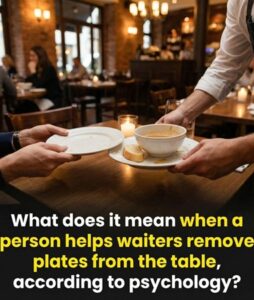
One such gesture is almost effortless: a diner gathering a few empty plates, stacking them neatly, and handing them to a waiter with a quiet smile.
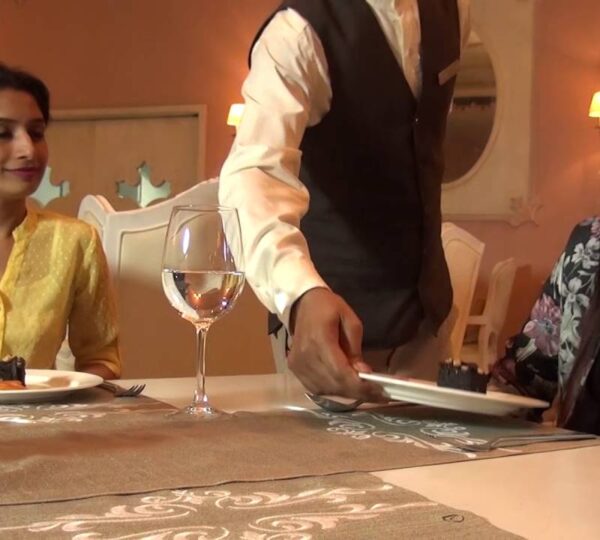
To many, it may feel like nothing more than a courteous act. But to someone observing closely — especially the staff — these minor moments often speak volumes about empathy, awareness, and the subtle ways people express kindness.
A Small Gesture With Big Meaning
At first glance, helping a waiter might seem unnecessary.
Restaurants are structured around roles — hosts welcome guests, servers take orders, runners deliver food, bussers clear tables.
Customers are expected to relax and enjoy themselves. But these small moments of cooperation often reflect something deeper: a recognition of the physical and emotional toll that service work can take.
Even more importantly, they reveal a person’s instinctive response to shared environments.
Some people focus solely on their own experience. Others extend their awareness outward, noticing how their behavior affects the people around them.
When someone quietly lends a hand, it becomes a silent expression of respect, not just for the worker but for the shared space they temporarily occupy together.
A Gesture Rooted in Empathy and Experience
Psychologists often refer to these kinds of actions as micro-acts of prosocial behavior — small, voluntary gestures intended to improve another person’s experience without expecting anything in return.

These behaviors are rarely taught in the moment. Instead, they reflect patterns shaped by life experience, upbringing, and an internal orientation toward empathy.
Many people who help in such settings have once worked in hospitality, retail, or customer service themselves.
They know firsthand the long hours, the tired feet, and the emotional labor required to stay polite and composed in the face of stress.
That lived experience transforms them into more observant and considerate customers.
Others may simply have an intuitive sense of social responsibility.
They view public spaces not as backdrops for their own needs but as shared environments where small gestures can make the atmosphere lighter, calmer, and more human.
When diners stack plates or create space for incoming dishes, they are not trying to rush the experience.
They are communicating, through action rather than words, that they respect the worker’s effort and time.
Helping as an Expression of Emotional Intelligence
Subtle acts of assistance often reflect high emotional intelligence.

People who help typically notice micro-cues — the slight change in a waiter’s posture when balancing a heavy tray, the hesitation before reaching toward a crowded table, the tension of a busy shift.
These individuals can read the room with accuracy and react without drawing attention to themselves.
Their assistance, importantly, is offered with proper timing. They do not interrupt the server, become overly involved, or create awkward moments.
Instead, they offer support in a way that blends seamlessly into the interaction.
Research in social psychology shows that individuals who possess this natural ability to read social cues tend to engage in helpful behaviors because it aligns with their personal values.
It makes them feel right, rather than making them look generous.
Such behavior also signals humility. Restaurants can easily become places where social hierarchies are subtly reinforced: the customer is served, the worker serves.
But when a guest offers a simple gesture of assistance, that hierarchy softens. It acknowledges the shared humanity behind every interaction — reminding both sides that dignity does not depend on job titles.
When Not Helping Is Also Normal
It is equally important to recognize that not helping does not necessarily mean a person is selfish or inconsiderate.
Cultural norms vary widely across countries and communities. In some cultures, assisting restaurant staff is seen as polite; in others, it is considered inappropriate because it may interfere with the server’s professional responsibilities.
Personal boundaries also play a role. Some people feel unsure whether their help will be welcomed.
Others fear appearing intrusive or awkward. Upbringing, personality, and environment influence how each person behaves in public spaces.

Therefore, these gestures should never be interpreted as moral tests.
What matters is not whether someone helps, but the intentions behind their actions — whether they are rooted in respect, awareness, and kindness.
The Ripple Effect of Tiny Courtesies
Though brief and often unnoticed, these small acts of cooperation carry emotional weight.
For a worker in the midst of a long shift, the simple act of a customer clearing an empty plate can offer a momentary sense of relief.
It reminds them that their effort is seen, appreciated, and understood. Such moments can ease tension, reduce stress, and even brighten the mood of an entire table or section.
Other diners may also feel the ripple effect. Environments shaped by mutual respect tend to feel warmer, more cohesive, and less transactional.
When kindness enters the space, even quietly, it influences the emotional atmosphere for everyone.
In a world where service workers often face impatience, entitlement, or indifference, these micro-gestures serve as gentle counterweights.
They demonstrate that courtesy does not require grand gestures, wealth, or elaborate displays. True kindness is found in the small, consistent ways people choose to acknowledge others.
A Meaningful Gesture Hidden in Plain Sight
Ultimately, helping a waiter clear a plate is not really about the plate at all.

It is about seeing another person — truly seeing them — and recognizing that they are not merely part of the background. It is about honoring the shared humanity that connects people in even the most routine interactions.
This gesture, simple and understated, reflects an emotional truth: empathy does not depend on scale.
Small, quiet choices can speak louder about a person’s character than dramatic acts ever could. Kindness, in its most authentic form, thrives in the moments when no one is watching.
In the midst of clinking glasses, overlapping conversations, and the warm, steady hum of a busy restaurant.
Our attention is usually drawn toward the most obvious parts of the experience — the flavors on our plates, the people we’re sharing a meal with, the soft lighting that sets the atmosphere.
Restaurants are designed to be immersive environments, full of sound, movement, and anticipation.
Yet, amid all the energy and noise, it is often the smallest, most ordinary gestures that reveal the deepest truths about human behavior.
One such gesture is almost effortless: a diner gathering a few empty plates, stacking them neatly, and handing them to a waiter with a quiet smile.
To many, it may feel like nothing more than a courteous act. But to someone observing closely — especially the staff — these minor moments often speak volumes about empathy, awareness, and the subtle ways people express kindness.
A Small Gesture With Big Meaning
At first glance, helping a waiter might seem unnecessary.
Restaurants are structured around roles — hosts welcome guests, servers take orders, runners deliver food, bussers clear tables.
Customers are expected to relax and enjoy themselves. But these small moments of cooperation often reflect something deeper: a recognition of the physical and emotional toll that service work can take.
Even more importantly, they reveal a person’s instinctive response to shared environments.
Some people focus solely on their own experience. Others extend their awareness outward, noticing how their behavior affects the people around them.
When someone quietly lends a hand, it becomes a silent expression of respect, not just for the worker but for the shared space they temporarily occupy together.
A Gesture Rooted in Empathy and Experience
Psychologists often refer to these kinds of actions as micro-acts of prosocial behavior — small, voluntary gestures intended to improve another person’s experience without expecting anything in return.
These behaviors are rarely taught in the moment. Instead, they reflect patterns shaped by life experience, upbringing, and an internal orientation toward empathy.
Many people who help in such settings have once worked in hospitality, retail, or customer service themselves.
They know firsthand the long hours, the tired feet, and the emotional labor required to stay polite and composed in the face of stress.
That lived experience transforms them into more observant and considerate customers.
Others may simply have an intuitive sense of social responsibility.
They view public spaces not as backdrops for their own needs but as shared environments where small gestures can make the atmosphere lighter, calmer, and more human.
When diners stack plates or create space for incoming dishes, they are not trying to rush the experience.
They are communicating, through action rather than words, that they respect the worker’s effort and time.
Helping as an Expression of Emotional Intelligence
Subtle acts of assistance often reflect high emotional intelligence.
People who help typically notice micro-cues — the slight change in a waiter’s posture when balancing a heavy tray, the hesitation before reaching toward a crowded table, the tension of a busy shift.
These individuals can read the room with accuracy and react without drawing attention to themselves.
Their assistance, importantly, is offered with proper timing. They do not interrupt the server, become overly involved, or create awkward moments.
Instead, they offer support in a way that blends seamlessly into the interaction.
Research in social psychology shows that individuals who possess this natural ability to read social cues tend to engage in helpful behaviors because it aligns with their personal values.
It makes them feel right, rather than making them look generous.
Such behavior also signals humility. Restaurants can easily become places where social hierarchies are subtly reinforced: the customer is served, the worker serves.
But when a guest offers a simple gesture of assistance, that hierarchy softens. It acknowledges the shared humanity behind every interaction — reminding both sides that dignity does not depend on job titles.
When Not Helping Is Also Normal
It is equally important to recognize that not helping does not necessarily mean a person is selfish or inconsiderate.
Cultural norms vary widely across countries and communities. In some cultures, assisting restaurant staff is seen as polite; in others, it is considered inappropriate because it may interfere with the server’s professional responsibilities.
Personal boundaries also play a role. Some people feel unsure whether their help will be welcomed.
Others fear appearing intrusive or awkward. Upbringing, personality, and environment influence how each person behaves in public spaces.
Therefore, these gestures should never be interpreted as moral tests.
What matters is not whether someone helps, but the intentions behind their actions — whether they are rooted in respect, awareness, and kindness.
The Ripple Effect of Tiny Courtesies
Though brief and often unnoticed, these small acts of cooperation carry emotional weight.
For a worker in the midst of a long shift, the simple act of a customer clearing an empty plate can offer a momentary sense of relief.
It reminds them that their effort is seen, appreciated, and understood. Such moments can ease tension, reduce stress, and even brighten the mood of an entire table or section.
Other diners may also feel the ripple effect. Environments shaped by mutual respect tend to feel warmer, more cohesive, and less transactional.
When kindness enters the space, even quietly, it influences the emotional atmosphere for everyone.
In a world where service workers often face impatience, entitlement, or indifference, these micro-gestures serve as gentle counterweights.
They demonstrate that courtesy does not require grand gestures, wealth, or elaborate displays. True kindness is found in the small, consistent ways people choose to acknowledge others.
A Meaningful Gesture Hidden in Plain Sight
Ultimately, helping a waiter clear a plate is not really about the plate at all.
It is about seeing another person — truly seeing them — and recognizing that they are not merely part of the background. It is about honoring the shared humanity that connects people in even the most routine interactions.
This gesture, simple and understated, reflects an emotional truth: empathy does not depend on scale.
Small, quiet choices can speak louder about a person’s character than dramatic acts ever could. Kindness, in its most authentic form, thrives in the moments when no one is watching.