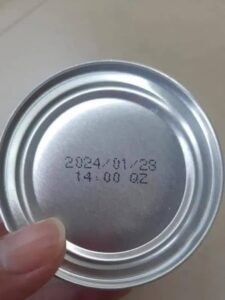
Many people believe that the date printed on food packaging is a strict safety deadline, but this is a common misunderstanding. In most cases, these dates are not warnings of danger but guidelines for quality. In the United States, federal law only requires true expiration dates on infant formula because its nutrients must meet specific standards for babies. For nearly all other foods, manufacturers voluntarily place dates on products to indicate when flavor, texture, or freshness is expected to be at its peak—not when the food suddenly becomes unsafe to eat.
It’s important to understand the differences between common food labels. “Best By” or “Best Before” dates suggest when a product will taste or perform its best, but the food is often still safe long after that date if stored properly. Shelf-stable items like pasta, cereal, rice, canned vegetables, and snacks can remain usable well beyond the printed date. “Sell By” dates are mainly for retailers to manage stock and ensure products are rotated efficiently; they are not meant to guide consumers on food safety. Even “Use By” dates, often found on refrigerated items, are conservative estimates and should be considered alongside visual checks, smell, and texture.
Food safety depends far more on how an item is stored than on the date printed on the package. Factors such as temperature, moisture, air exposure, and cleanliness all influence how long food remains safe to eat. For example, a canned good stored in a cool, dry pantry can last years, while the same product exposed to heat or moisture may spoil much sooner. Refrigerated and frozen foods also last longer when kept at consistent temperatures. Once food is opened, its shelf life often changes regardless of the printed date, making proper sealing and storage especially important.
Learning how to interpret food labels can significantly reduce unnecessary food waste and save money. Simple habits like storing foods correctly, freezing leftovers promptly, keeping refrigerators at safe temperatures, and using older items first can extend the life of many products. Trusting your senses—checking for unusual odors, discoloration, mold, or changes in texture—can often tell you more than a date alone. By understanding what food labels truly mean, consumers can make smarter decisions, waste less food, and safely enjoy products for as long as they are meant to be used.