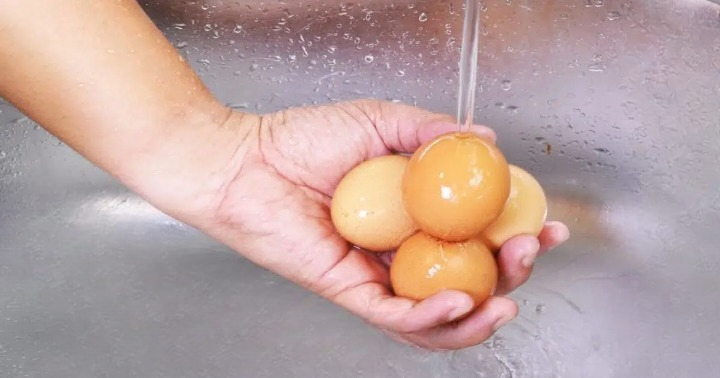
Eggs are a staple in kitchens around the world, but one culinary question continues to divide home cooks and chefs alike: should you wash eggs before cooking? At first glance, it seems like common sense to wash them—you want your food to be clean, right? But eggs are more complex than they seem, and the answer isn’t as straightforward as it appears.
The Egg’s Natural Shield
Eggs aren’t just fragile—they’re ingeniously designed. Every eggshell comes coated with a natural protective layer called the “cuticle” or “bloom.” This thin, waxy coating seals the tiny pores in the eggshell, acting as the egg’s own built-in armor against bacteria and preventing moisture loss. Essentially, it’s nature’s way of saying, “I’ve got this!”
When you wash an egg, you risk stripping away this protective barrier. Without the cuticle, the shell becomes more porous and vulnerable, creating a potential pathway for bacteria to enter. While washing might seem like a cleanliness step, it can paradoxically make eggs less safe if not done carefully.
Salmonella and Egg Safety
The word “salmonella” is enough to make many people panic in the kitchen. Salmonella is a bacteria that can cause foodborne illness, and eggs are sometimes associated with it. However, the risk is relatively low for intact, unwashed eggs. Thanks to the cuticle, bacteria on the shell’s surface have a harder time penetrating the egg.
If you are concerned about salmonella, cooking eggs thoroughly is your best defense. Boiling, poaching, scrambling, or frying eggs at high heat kills bacteria, making the egg safe to eat. Interestingly, the egg’s internal membrane acts as a secondary barrier, so boiling water doesn’t seep in and compromise the delicate interior.
Egg Washing Practices Around the World
Interestingly, whether or not eggs are washed depends on where you live. In the United States, eggs are typically washed and sanitized before they reach grocery stores. This process removes the natural cuticle and is followed by refrigeration to prevent bacterial growth. In contrast, in many European countries, eggs are sold unwashed, allowing the cuticle to remain intact and providing a natural defense. Because of this, European eggs are often stored at room temperature until use.
This international difference highlights an important point: the need to wash eggs largely depends on your source and how they’ve been handled. Eggs from a trusted store are already cleaned and refrigerated, while farm-fresh or backyard eggs may benefit from careful washing—but even then, gentle cleaning is recommended.
How to Wash Eggs Safely (If You Choose To)
If you decide to wash your eggs, there are some important guidelines to follow:
- Use Warm Water – Cold water can cause the egg to contract, potentially drawing bacteria inside. Warm water is safer because it opens the pores slightly and flushes contaminants away.
- Avoid Soaps or Detergents – Don’t use dish soap or household cleaners on eggs; they can leave harmful residues. Plain running water is sufficient.
- Dry Thoroughly – After washing, dry the eggs with a clean cloth or paper towel to remove excess moisture.
By following these steps, you can minimize the risk while preserving the egg’s usability.
When Not to Wash Eggs
In many cases, it’s better to leave eggs unwashed. The natural cuticle provides sufficient protection for everyday use, and washing can actually increase the risk of bacterial penetration if done improperly. Additionally, some foods and recipes don’t require washing at all. For example, eggs used in baking are often cracked directly into a bowl, and the cooking process itself eliminates any surface bacteria.
Final Thoughts
So, should you wash your eggs before cooking? The answer depends on a few key factors: the source of the eggs, your comfort level, and how you plan to use them. Eggs from a commercial grocery store are typically safe and already cleaned, whereas farm-fresh or backyard eggs may carry extra surface dirt that could be washed off carefully. In all cases, proper cooking is the ultimate safeguard against bacteria.
Next time you reach for eggs for an omelet, quiche, or batch of deviled eggs, consider giving a nod to the humble egg and its natural protective design. The cuticle is a marvel of nature, doing its job quietly and effectively, often unnoticed. By respecting that natural shield and handling eggs thoughtfully, you can enjoy both safety and flavor in your kitchen adventures.
And if this has you thinking twice about washing, stay tuned: there are other common foods—some of them staples in your pantry—that you should never wash before cooking.
Uncategorized