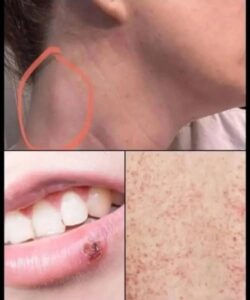
Mouth cancer, or oral cancer, can develop in areas such as the tongue, gums, cheeks, lips, palate, and floor of the mouth. It begins when cells in these regions grow uncontrollably, forming tumors that can become life-threatening if not treated early. The type of treatment depends heavily on the tumor’s location and how advanced the cancer is when diagnosed.
For many early-stage cases, surgery is the primary treatment. Surgeons remove the tumor and, when necessary, use reconstructive methods to repair the affected area. These may include pedicle flaps taken from nearby tissue or free flaps from other parts of the body to restore appearance and function.
Radiation therapy is often used alongside or after surgery. External Beam Radiation Therapy delivers high-energy beams from outside the body, while brachytherapy places radioactive material near the tumor. Radiation helps destroy remaining cancer cells and reduces the chances of recurrence.
In advanced stages, chemotherapy may be added. These powerful drugs travel through the bloodstream, attacking cancer cells that may have spread beyond the mouth. Chemotherapy is especially important when the disease reaches lymph nodes or other tissues.
Targeted drug therapy is another growing option. These treatments block specific molecules that cancer cells need to grow. They can be used alone or combined with chemotherapy or radiation, offering improved outcomes for certain complex cases.
Risk factors for mouth cancer are significant. About 80% of cases are linked to tobacco use, including smoking and chewing tobacco. The average age of diagnosis is around 50, and men are affected more often than women. Early detection greatly improves survival, with an 82% rate for early diagnoses versus 27% for late-stage cases.
Despite the seriousness of oral cancer, awareness remains low in many regions. Delayed dental visits often result in late detection, reducing treatment success and increasing complications.
Regular checkups, avoiding tobacco, and maintaining oral hygiene are key to prevention. Early diagnosis and education, especially in high-risk communities, are essential for reducing the overall impact of mouth cancer.