One of the greatest moments in unscripted television comedy occurred when Tim Conway and Harvey Korman performed on The Carol Burnett Show. In a sketch as undercover cops, Conway deliberately went off-script, delivering increasingly absurd lines until Korman could no longer contain himself, collapsing into laughter. The audience cheered wildly, cameras shook from the chaos, and Carol Burnett herself laughed so hard she cried backstage. The scene has endured as a timeless classic, remembered not only for the jokes but for the sheer spontaneity and delight it brought. To this day, viewers call it the funniest television meltdown ever captured on film.

There was one unforgettable night on The Carol Burnett Show when laughter didn’t just happen—it completely took over. It wasn’t simply a funny sketch or a rehearsed bit; it was a rare, fleeting moment when comedy transformed into pure, living chaos.

Tim Conway and Harvey Korman, two of the sharpest comedic minds in television history, were performing a routine titled “Undercover Cops.”

On paper, it was straightforward: two detectives interrogating a suspect, exchanging lines, hitting comic beats with precision. A routine sketch, rehearsed and predictable—or so everyone thought.

From the moment Conway stepped on stage, the entire dynamic shifted. His wig was slightly crooked, his eyes sparkled with mischievous intent, and his posture suggested that he was prepared to break every rule the writers had set.

Conway’s presence alone hinted at the mischief to come. Almost immediately, he abandoned the script entirely.

Words that were meant to be read aloud in a particular way were stretched, twisted, and delivered with comic timing so unpredictable that the audience couldn’t anticipate the next beat.

Each pause, each twitch, each expression was meticulously chaotic, yet felt effortless, as though he was channeling pure instinct rather than rehearsed technique.

Harvey Korman, the consummate straight man and the anchor of the sketch, attempted to maintain control. His character required composure, seriousness, and precise delivery. But Conway’s improvisation was relentless.

Korman’s shoulders began to quiver; his attempts at speaking were interrupted by stifled laughter; his perfectly timed expressions betrayed the growing chaos around him.

The man who was supposed to enforce the rhythm, the timing, and the structure was helpless. Conway’s genius lay in his ability to sense precisely when Korman’s composure would crack, and to push the scene just far enough to make that inevitable.

“Tim… please,” Korman gasped at one point, caught between laughter and despair. His voice wavered. His efforts to continue with the sketch were completely undermined by Conway’s improvisation, which escalated with every word.

Conway, sensing his opportunity, doubled down. He extended the moment, layering absurdity upon absurdity, until the boundaries between performance and reality, between actor and character, dissolved entirely.

The audience roared in unison, laughter echoing through the studio. Even Carol Burnett, backstage, was crying—not from emotion or sentiment, but from laughter so overwhelming she could hardly breathe.

This brilliance was not just in the improvisation itself. It was in the trust between the performers—the understanding that comedy isn’t just about timing or lines, but about connection, intuition, and courage.

Conway didn’t just improvise to be funny; he improvised because he knew Korman could match him, because he trusted him to react, to surrender, and to find humor even in the chaos.

And Korman’s reactions, genuine and human, were the perfect counterbalance.

The sketch became a conversation rather than a performance, a dynamic exchange between two friends who had performed together for years yet still found new ways to surprise each other.

By the time the sketch concluded, the contrast between the two men was striking. Conway, triumphant, wore the sly, self-satisfied grin of a man who had orchestrated delightful havoc.

Korman, meanwhile, had literally collapsed against the set, shaking, gasping for air, completely undone by the sheer absurdity of what had just occurred.

The studio audience, fully aware that they were witnessing something unrepeatable, rose to their feet in a spontaneous ovation.

They weren’t clapping merely for jokes; they were applauding the rare, breathtaking moment when performance transcended artifice and became something real, something alive.

Decades later, the sketch remains a touchstone in comedy history. Fans dissect it endlessly, wondering what exactly Conway whispered or did to break Korman so completely.

Was it rehearsed? Improvised? Or perhaps a perfect combination of both? The answer, ultimately, is irrelevant.

The magic was not in a single line or a clever trick; it was in the trust, the timing, the unspoken understanding between two artists who were willing to let go entirely.

That fleeting, unrepeatable instant captured something television rarely achieves: pure, uncontrollable laughter shared by performers and audience alike.

The impact of that night reaches far beyond the confines of a single sketch. It stands as a reminder of the unpredictability of live performance, the joy of improvisation, and the emotional resonance of comedy rooted in humanity rather than mechanics.

Conway and Korman had found something sacred in their craft: the ability to make people laugh without filters, edits, or scripts, to create a moment so alive that viewers decades later can feel the same rush of joy, the same contagion of laughter.

Backstage, the energy was palpable. Crew members whispered to each other, astonished at Conway’s audacity and Korman’s complete surrender.

Carol Burnett, herself a genius of timing and presence, later described the moment as “magic in its purest form.” It wasn’t just a sketch; it was a testament to friendship, trust, and the human capacity to find joy even in chaos.

Conway and Korman didn’t just perform; they connected, shared, and reminded everyone watching of something nearly lost in the mechanical precision of television:

the delight of spontaneity, the thrill of unpredictability, and the profound power of genuine laughter.

Even today, when clips of the sketch are replayed, they inspire not only laughter but awe. Modern comedians often cite it as a benchmark, a standard of what improvisation can achieve when executed with precision, courage, and empathy.

And audiences, whether watching for the first or hundredth time, are reminded that the most enduring humor isn’t always meticulously planned—it’s lived, experienced, and shared in the moment.

That night, The Carol Burnett Show wasn’t performing a sketch. It was capturing lightning in a bottle. It was a celebration of trust, of friendship, of the joy inherent in letting go.

It was a reminder that true comedy doesn’t just aim to amuse—it aims to reveal something essential about human nature: that laughter, in its purest form, is a connection, a liberation, and, above all, a shared experience.

Comedy lost control—and in losing it, it found its heart.
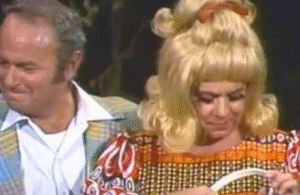
There was one unforgettable night on The Carol Burnett Show when laughter didn’t just happen—it completely took over. It wasn’t simply a funny sketch or a rehearsed bit; it was a rare, fleeting moment when comedy transformed into pure, living chaos.

Tim Conway and Harvey Korman, two of the sharpest comedic minds in television history, were performing a routine titled “Undercover Cops.”

On paper, it was straightforward: two detectives interrogating a suspect, exchanging lines, hitting comic beats with precision. A routine sketch, rehearsed and predictable—or so everyone thought.

From the moment Conway stepped on stage, the entire dynamic shifted. His wig was slightly crooked, his eyes sparkled with mischievous intent, and his posture suggested that he was prepared to break every rule the writers had set.

Conway’s presence alone hinted at the mischief to come. Almost immediately, he abandoned the script entirely.

Words that were meant to be read aloud in a particular way were stretched, twisted, and delivered with comic timing so unpredictable that the audience couldn’t anticipate the next beat.

Each pause, each twitch, each expression was meticulously chaotic, yet felt effortless, as though he was channeling pure instinct rather than rehearsed technique.

Harvey Korman, the consummate straight man and the anchor of the sketch, attempted to maintain control. His character required composure, seriousness, and precise delivery. But Conway’s improvisation was relentless.

Korman’s shoulders began to quiver; his attempts at speaking were interrupted by stifled laughter; his perfectly timed expressions betrayed the growing chaos around him.

The man who was supposed to enforce the rhythm, the timing, and the structure was helpless. Conway’s genius lay in his ability to sense precisely when Korman’s composure would crack, and to push the scene just far enough to make that inevitable.

“Tim… please,” Korman gasped at one point, caught between laughter and despair. His voice wavered. His efforts to continue with the sketch were completely undermined by Conway’s improvisation, which escalated with every word.

Conway, sensing his opportunity, doubled down. He extended the moment, layering absurdity upon absurdity, until the boundaries between performance and reality, between actor and character, dissolved entirely.

The audience roared in unison, laughter echoing through the studio. Even Carol Burnett, backstage, was crying—not from emotion or sentiment, but from laughter so overwhelming she could hardly breathe.

This brilliance was not just in the improvisation itself. It was in the trust between the performers—the understanding that comedy isn’t just about timing or lines, but about connection, intuition, and courage.

Conway didn’t just improvise to be funny; he improvised because he knew Korman could match him, because he trusted him to react, to surrender, and to find humor even in the chaos.

And Korman’s reactions, genuine and human, were the perfect counterbalance.

The sketch became a conversation rather than a performance, a dynamic exchange between two friends who had performed together for years yet still found new ways to surprise each other.

By the time the sketch concluded, the contrast between the two men was striking. Conway, triumphant, wore the sly, self-satisfied grin of a man who had orchestrated delightful havoc.

Korman, meanwhile, had literally collapsed against the set, shaking, gasping for air, completely undone by the sheer absurdity of what had just occurred.

The studio audience, fully aware that they were witnessing something unrepeatable, rose to their feet in a spontaneous ovation.

They weren’t clapping merely for jokes; they were applauding the rare, breathtaking moment when performance transcended artifice and became something real, something alive.

Decades later, the sketch remains a touchstone in comedy history. Fans dissect it endlessly, wondering what exactly Conway whispered or did to break Korman so completely.

Was it rehearsed? Improvised? Or perhaps a perfect combination of both? The answer, ultimately, is irrelevant.

The magic was not in a single line or a clever trick; it was in the trust, the timing, the unspoken understanding between two artists who were willing to let go entirely.

That fleeting, unrepeatable instant captured something television rarely achieves: pure, uncontrollable laughter shared by performers and audience alike.

The impact of that night reaches far beyond the confines of a single sketch. It stands as a reminder of the unpredictability of live performance, the joy of improvisation, and the emotional resonance of comedy rooted in humanity rather than mechanics.

Conway and Korman had found something sacred in their craft: the ability to make people laugh without filters, edits, or scripts, to create a moment so alive that viewers decades later can feel the same rush of joy, the same contagion of laughter.

Backstage, the energy was palpable. Crew members whispered to each other, astonished at Conway’s audacity and Korman’s complete surrender.

Carol Burnett, herself a genius of timing and presence, later described the moment as “magic in its purest form.” It wasn’t just a sketch; it was a testament to friendship, trust, and the human capacity to find joy even in chaos.

Conway and Korman didn’t just perform; they connected, shared, and reminded everyone watching of something nearly lost in the mechanical precision of television:

the delight of spontaneity, the thrill of unpredictability, and the profound power of genuine laughter.

Even today, when clips of the sketch are replayed, they inspire not only laughter but awe. Modern comedians often cite it as a benchmark, a standard of what improvisation can achieve when executed with precision, courage, and empathy.

And audiences, whether watching for the first or hundredth time, are reminded that the most enduring humor isn’t always meticulously planned—it’s lived, experienced, and shared in the moment.

That night, The Carol Burnett Show wasn’t performing a sketch. It was capturing lightning in a bottle. It was a celebration of trust, of friendship, of the joy inherent in letting go.

It was a reminder that true comedy doesn’t just aim to amuse—it aims to reveal something essential about human nature: that laughter, in its purest form, is a connection, a liberation, and, above all, a shared experience.

Comedy lost control—and in losing it, it found its heart.

Related Posts

The Black Access Card

The Black Access Card PART 1 — THE BOY ON THE DOCK By five-thirty in the afternoon, the Miami marina looked almost unreal. The sun hung low…

Prince Harry reveals what Meghan Markle prayed for at Princess Diana’s grave

During a private visit to Princess Diana’s grave in 2022, Prince Harry has revealed what his wife, Meghan Markle, was praying.

This Cloud Has Everyone Arguing – Pulse Of The Blogosphere

At first glance, it looks like nothing more than an ordinary cloud drifting across a clear blue sky. Soft, white, unremarkable. The kind of shape you would…

SUV Window Message Sparks Heated Online Debate Over Wealth, Work, and Fairness – Pulse Of The Blogosphere

A single sentence written on the back window of an SUV has managed to do something that most political speeches, think pieces, and online threads struggle with:…

The Forgotten Breakfast Appliance That Changed Kitchens Forever: Can You Identify This Vintage Toaster? – Pulse Of The Blogosphere

Take a moment to imagine a typical family kitchen nearly one hundred years ago. The smell of fresh bread fills the room, the morning sun streams through…

I Discovered a Strange Metal Tool Hidden Inside My Grandmother’s Old Dresser—Its True Purpose Revealed a Beautiful Story About Her Life, Craftsmanship, and Quiet Dedication – Pulse Of The Blogosphere

Cleaning out a loved one’s home after they’ve passed away is rarely just about organizing belongings. Every drawer, every box, and every carefully folded piece of fabric…

Leave a Reply

Your email address will not be published. Required fields are marked *