We all like to believe that tomorrow is promised — that life will look the same when we open our eyes each morning.
But sometimes, life delivers a moment that shakes us to our core and forces us to confront just how fragile our world truly is.
For Ryan Finley, that moment came on a quiet Sunday morning — the kind of morning that begins like any other, until suddenly, everything changes. Ryan woke before sunrise, feeling a strange alertness he couldn’t explain.
He stretched, yawned, and instinctively reached over to gently nudge his wife, Jill. He often joked that waking her early on a weekend was a miracle in itself — something he almost never did.
But that day, he felt a pull. A quiet urge. Something telling him to check on her.
He whispered her name once.
Then twice. Stillness. He lightly shook her shoulder. No movement. No mumble. No sleepy protest.
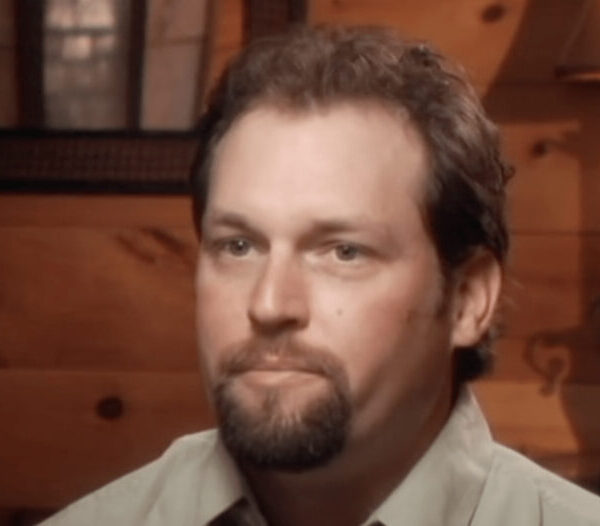
A cold shock shot through his body. Ryan called her name louder this time, fear tightening around his throat. When she didn’t respond at all, his instincts took over.
He immediately called 911, his voice trembling as he explained the situation. While waiting for paramedics, he performed CPR — counting every compression, fighting panic, begging her to breathe.
When the ambulance arrived, the house filled with flashing lights and urgent voices. Paramedics surrounded Jill, working quickly, intensely. Ryan’s heart pounded in his chest as they loaded her onto the stretcher.
He followed the ambulance so closely that he didn’t remember the drive — only the feeling of his world tipping out of control.
A Devastating Diagnosis
At the hospital, time began to move strangely — sometimes dragging, sometimes disappearing altogether. Doctors and nurses rushed in and out of the room, their faces serious and focused.
Finally, a doctor approached him, eyes heavy with concern.
After a series of tests and emergency interventions, they had an answer:
Jill had suffered a sudden cardiac arrest.
They managed to stabilize her heart, but the damage was severe. Ryan felt the ground shift beneath him.
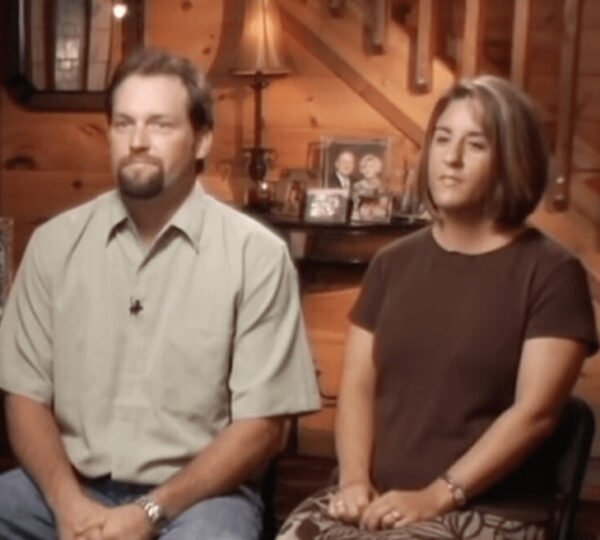
But nothing prepared him for the doctor’s next words:
“You need to pray for your wife.”
Those words felt like a verdict. A door closing. A warning that he needed to brace himself for the unimaginable.
Soon after, doctors confirmed Jill had slipped into a coma.
Ryan could barely process what he was hearing. His 31-year-old wife — vibrant, healthy, laughing only hours before — was now suspended between life and death.
Two Weeks of Waiting, Hoping, and Holding On
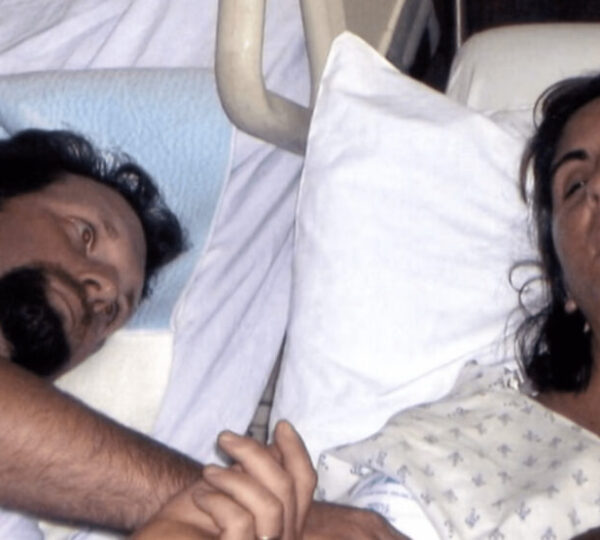
Jill was moved to a quiet room in the ICU. Machines hummed around her bed, blinking softly in the dim light. Ryan took his place beside her, holding her hand, speaking to her, hoping that somehow, some part of her could hear him.
Friends and family visited daily, their faces tight with worry. The room was filled with whispered prayers, quiet tears, and the overwhelming sense of uncertainty.
One afternoon, Jill’s cousin arrived with a Bible. He sat beside her and read passages softly for nearly an hour, leaving the Bible beside Ryan when he left.
“If you feel led to read to her,” he said gently, “do it. She may hear more than you realize.”
Ryan took that suggestion to heart.
Every day — morning, noon, and night — he read to her. Psalms. Stories. Verses about hope, endurance, faith.
Even the sound of his own voice brought him comfort. He imagined it reaching some distant part of her, reminding her she wasn’t alone.
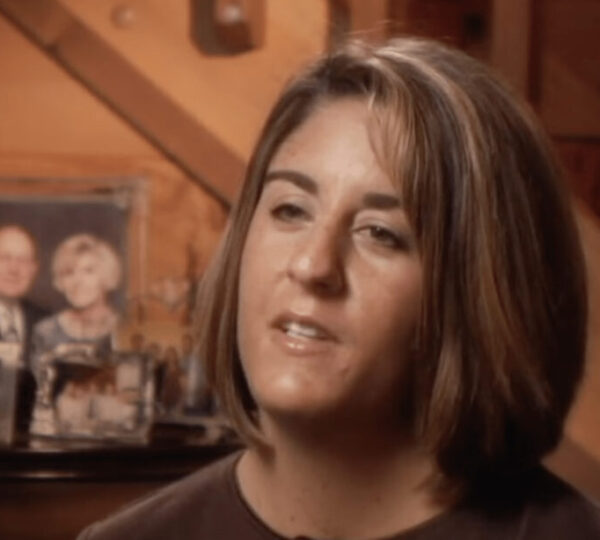
But the days passed with no improvement.
No movement.
No sign of change.
With each passing hour, doctors became more certain she would not recover.
The Hardest Decision a Husband Can Make
After 11 days of heartbreak, Ryan went home for the first time in nearly two weeks — exhausted, dehydrated, barely functioning. He sat alone at their kitchen table, surrounded by Jill’s favorite mugs, the blanket she liked, the photos on the walls.
Everything reminded him of her.
And he asked himself the question he had been avoiding:
Was he helping her hold on — or keeping her from peace?
The doctors had been honest:
There was no improvement.
No brain activity change.
No realistic chance of recovery.
He knew the decision weighed entirely on him.
Three days later, overwhelmed but determined to honor what he believed Jill would have wanted, Ryan signed the papers.
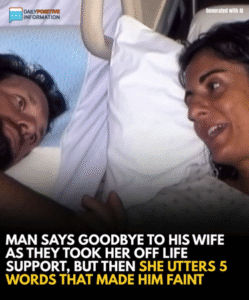
On the 14th day, Jill was removed from life support.
Ryan sat with her for hours, holding her hand, whispering how much he loved her. But watching her body struggle for breath was too painful, too devastating.
He stepped out of the room, heartbroken, believing that she would pass quietly while he waited in the hallway.
The Miracle No One Expected
Five hours later, a nurse burst out of Jill’s room, breathless and wide-eyed.
“Ryan,” she said urgently. “You need to come in. She’s talking.”
Ryan froze. Talking? That wasn’t possible.
But he followed the nurse inside — and what he saw nearly brought him to his knees.
Jill’s eyes were open. She was looking around. And she spoke clearly:
“Get me out of here. I want to go home.”
Ryan stood still, unable to move, unable to speak. His mind couldn’t reconcile what he was seeing.
Was this real?
To be sure, he asked her questions — their pets’ names, simple math, things only she would know.
She answered every one with clarity.
This wasn’t a final moment. This wasn’t confusion. This was Jill — alive and returning to the world.
A Long Road Back — But Filled With Hope
Jill’s recovery wasn’t immediate.
She had to relearn how to brush her teeth.
How to tie her shoes.
How to hold a fork properly.
Her motor skills had weakened, and her brain needed time to reconnect. But she tackled every challenge with determination.
Ryan never left her side.
Doctors called her recovery a medical anomaly — something that rarely happens, something they still can’t fully explain.
When asked what he believed brought Jill back, Ryan didn’t hesitate:
“God. Divine intervention. Nothing else makes sense.”
Jill later told Ryan that she supported his decision to remove life support because she never wanted to live trapped in a body that could not wake or communicate.
In her eyes, his heartbreaking decision was made out of love — not abandonment.
A Love Strengthened by a Second Chance
Even years later, Ryan admits the experience changed him forever.
“There isn’t a night that goes by,” he said, “when I don’t wake up, reach over, and lightly kick her. And when she kicks me back, I know we’re alright.”
Their lives became quieter, more intentional. They stopped taking moments for granted. Morning coffee feels sacred.
Holding hands feels important. Arguments fade faster. Love became deeper.
Jill and Ryan now see life through a different lens — one shaped by faith, gratitude, and the miracle that gave them a second chance.
What started as a tragic morning turned into a story of hope, resilience, and the belief that miracles can — and do — happen when we least expect them.
Sometimes, life breaks our hearts. And sometimes, in the very next breath, it stitches them back together.
We all like to believe that tomorrow is promised — that life will look the same when we open our eyes each morning.
But sometimes, life delivers a moment that shakes us to our core and forces us to confront just how fragile our world truly is.
For Ryan Finley, that moment came on a quiet Sunday morning — the kind of morning that begins like any other, until suddenly, everything changes. Ryan woke before sunrise, feeling a strange alertness he couldn’t explain.
He stretched, yawned, and instinctively reached over to gently nudge his wife, Jill. He often joked that waking her early on a weekend was a miracle in itself — something he almost never did.
But that day, he felt a pull. A quiet urge. Something telling him to check on her.
He whispered her name once.
Then twice. Stillness. He lightly shook her shoulder. No movement. No mumble. No sleepy protest.
A cold shock shot through his body. Ryan called her name louder this time, fear tightening around his throat. When she didn’t respond at all, his instincts took over.
He immediately called 911, his voice trembling as he explained the situation. While waiting for paramedics, he performed CPR — counting every compression, fighting panic, begging her to breathe.
When the ambulance arrived, the house filled with flashing lights and urgent voices. Paramedics surrounded Jill, working quickly, intensely. Ryan’s heart pounded in his chest as they loaded her onto the stretcher.
He followed the ambulance so closely that he didn’t remember the drive — only the feeling of his world tipping out of control.
A Devastating Diagnosis
At the hospital, time began to move strangely — sometimes dragging, sometimes disappearing altogether. Doctors and nurses rushed in and out of the room, their faces serious and focused.
Finally, a doctor approached him, eyes heavy with concern.
After a series of tests and emergency interventions, they had an answer:
Jill had suffered a sudden cardiac arrest.
They managed to stabilize her heart, but the damage was severe. Ryan felt the ground shift beneath him.
But nothing prepared him for the doctor’s next words:
“You need to pray for your wife.”
Those words felt like a verdict. A door closing. A warning that he needed to brace himself for the unimaginable.
Soon after, doctors confirmed Jill had slipped into a coma.
Ryan could barely process what he was hearing. His 31-year-old wife — vibrant, healthy, laughing only hours before — was now suspended between life and death.
Two Weeks of Waiting, Hoping, and Holding On
Jill was moved to a quiet room in the ICU. Machines hummed around her bed, blinking softly in the dim light. Ryan took his place beside her, holding her hand, speaking to her, hoping that somehow, some part of her could hear him.
Friends and family visited daily, their faces tight with worry. The room was filled with whispered prayers, quiet tears, and the overwhelming sense of uncertainty.
One afternoon, Jill’s cousin arrived with a Bible. He sat beside her and read passages softly for nearly an hour, leaving the Bible beside Ryan when he left.
“If you feel led to read to her,” he said gently, “do it. She may hear more than you realize.”
Ryan took that suggestion to heart.
Every day — morning, noon, and night — he read to her. Psalms. Stories. Verses about hope, endurance, faith.
Even the sound of his own voice brought him comfort. He imagined it reaching some distant part of her, reminding her she wasn’t alone.
But the days passed with no improvement.
No movement.
No sign of change.
With each passing hour, doctors became more certain she would not recover.
The Hardest Decision a Husband Can Make
After 11 days of heartbreak, Ryan went home for the first time in nearly two weeks — exhausted, dehydrated, barely functioning. He sat alone at their kitchen table, surrounded by Jill’s favorite mugs, the blanket she liked, the photos on the walls.
Everything reminded him of her.
And he asked himself the question he had been avoiding:
Was he helping her hold on — or keeping her from peace?
The doctors had been honest:
There was no improvement.
No brain activity change.
No realistic chance of recovery.
He knew the decision weighed entirely on him.
Three days later, overwhelmed but determined to honor what he believed Jill would have wanted, Ryan signed the papers.
On the 14th day, Jill was removed from life support.
Ryan sat with her for hours, holding her hand, whispering how much he loved her. But watching her body struggle for breath was too painful, too devastating.
He stepped out of the room, heartbroken, believing that she would pass quietly while he waited in the hallway.
The Miracle No One Expected
Five hours later, a nurse burst out of Jill’s room, breathless and wide-eyed.
“Ryan,” she said urgently. “You need to come in. She’s talking.”
Ryan froze. Talking? That wasn’t possible.
But he followed the nurse inside — and what he saw nearly brought him to his knees.
Jill’s eyes were open. She was looking around. And she spoke clearly:
“Get me out of here. I want to go home.”
Ryan stood still, unable to move, unable to speak. His mind couldn’t reconcile what he was seeing.
Was this real?
To be sure, he asked her questions — their pets’ names, simple math, things only she would know.
She answered every one with clarity.
This wasn’t a final moment. This wasn’t confusion. This was Jill — alive and returning to the world.
A Long Road Back — But Filled With Hope
Jill’s recovery wasn’t immediate.
She had to relearn how to brush her teeth.
How to tie her shoes.
How to hold a fork properly.
Her motor skills had weakened, and her brain needed time to reconnect. But she tackled every challenge with determination.
Ryan never left her side.
Doctors called her recovery a medical anomaly — something that rarely happens, something they still can’t fully explain.
When asked what he believed brought Jill back, Ryan didn’t hesitate:
“God. Divine intervention. Nothing else makes sense.”
Jill later told Ryan that she supported his decision to remove life support because she never wanted to live trapped in a body that could not wake or communicate.
In her eyes, his heartbreaking decision was made out of love — not abandonment.
A Love Strengthened by a Second Chance
Even years later, Ryan admits the experience changed him forever.
“There isn’t a night that goes by,” he said, “when I don’t wake up, reach over, and lightly kick her. And when she kicks me back, I know we’re alright.”
Their lives became quieter, more intentional. They stopped taking moments for granted. Morning coffee feels sacred.
Holding hands feels important. Arguments fade faster. Love became deeper.
Jill and Ryan now see life through a different lens — one shaped by faith, gratitude, and the miracle that gave them a second chance.
What started as a tragic morning turned into a story of hope, resilience, and the belief that miracles can — and do — happen when we least expect them.
Sometimes, life breaks our hearts. And sometimes, in the very next breath, it stitches them back together.