In a dramatic incident that drew national attention.
A Florida man who shot and killed an assailant attacking a sheriff’s deputy on a busy interstate will not face criminal charges, the State Attorney’s Office announced.
The case, involving a courageous intervention by a good Samaritan, highlighted complex issues around self‑defense law, civilians aiding law enforcement, and the risks law enforcement officers face every day.
The Incident: What Happened on Interstate 75
The violent encounter occurred on the morning of November 14 on Interstate 75 near Estero, in Lee County, Florida.
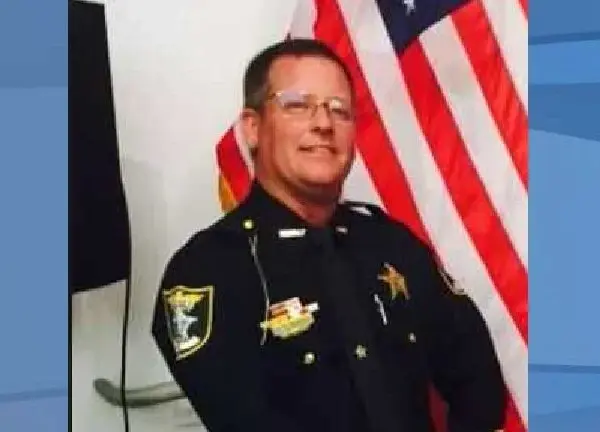
Lee County Sheriff’s Deputy First Class Dean Bardes, a highly experienced officer, was assisting Florida Highway Patrol troopers at the scene of a traffic crash when an unrelated vehicle sped past at a high rate of speed along the highway shoulder.
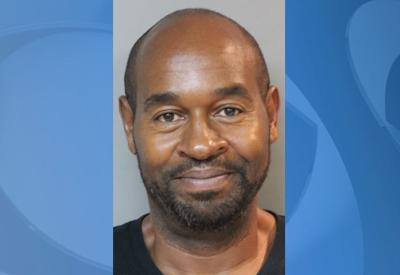
Deputy Bardes attempted to initiate a traffic stop on the vehicle, a grey Toyota Camry driven by 53‑year‑old Edward Strother.
Instead of complying, Strother allegedly continued driving erratically and at a high speed, nearly striking the officer and prompting Bardes to pursue him briefly before Strother ultimately stopped on an off‑ramp.
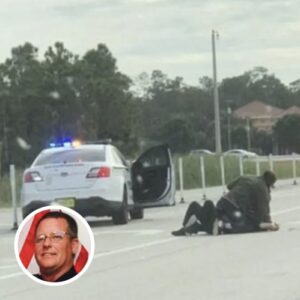
According to official accounts, as Bardes exited his patrol cruiser to take Strother into custody, Strother suddenly attacked him, knocking him to the ground.
At that point, Strother allegedly began pummeling the deputy repeatedly and attempting to gain control of Bardes’ service weapon.
Bardes, now on his back and fighting for his life, reportedly cried out for help as Strother continued the assault — a desperate situation captured in later‑released cellphone videos.
Enter the Good Samaritan: Ashad Russell
At the scene at that moment was 35‑year‑old Ashad Russell, a Florida resident and legal holder of a concealed carry firearm license.
Upon witnessing the violent attack unfold, and realizing that the deputy was in imminent danger, Russell made the split‑second decision to intervene.
Russell stepped out of his vehicle and approached the chaotic scene, weapon in hand.
According to witness accounts and official statements, he twice ordered Strother to stop attacking Deputy Bardes and to cease his violent behavior — warnings that Strother ignored.
Deputy Bardes, pinned to the ground and struggling to protect himself, allegedly called out to Russell and asked him to shoot Strother in order to stop the attack.
With Strother still on top of Bardes, continuing to punch and potentially reach for the officer’s firearm, Russell fired his weapon three times at Strother.
The Shooting
The three shots Russell fired struck Strother in the neck and upper torso. The final bullet was reportedly the fatal shot that ended Strother’s life.
Strother was immediately incapacitated and was later pronounced dead at a hospital.
After discharging his firearm, Russell — who later described himself as being in shock — dropped his weapon to the ground and retreated to his vehicle, where he remained until other law enforcement personnel arrived at the scene.
Deputy Bardes sustained only minor injuries during the attack and was treated and later released from the hospital.
Legal Review and Determination
In the weeks that followed, the State Attorney’s Office conducted a thorough review of the incident, examining both witness accounts and the cellphone video evidence of the encounter.
Their investigation focused on whether Russell’s actions constituted a criminal offense or whether they were legally justified.
Under Florida law, a person is permitted to use deadly force to protect another individual if they reasonably believe that such force is necessary to prevent imminent death or great bodily harm.
This legal standard applies not only to self‑defense but also to the defense of third parties, including law enforcement officers under attack.
On March 15, the State Attorney’s Office announced that no criminal charges would be filed against Russell.
Prosecutors concluded that his decision to fire his weapon was justified, as he reasonably believed that Deputy Bardes was in imminent peril of death or serious bodily injury at the hands of Strother.
The statement explained that Russell’s use of deadly force was lawful and that, under the circumstances, his actions were necessary to prevent the imminent commission of a forcible felony against the deputy.
No further action would be taken by the prosecutor’s office.
Community and Official Reaction
The sheriff of Lee County, Mike Scott, publicly praised Russell for his intervention.
In a Facebook post, Sheriff Scott referred to Russell as a hero who recognized the imminent threat and acted decisively to protect another human being.

Scott’s statement also addressed the sensitive nature of race in such incidents, noting that both Russell and Strother were men of color and emphasizing that “all life matters” — a message intended to preempt racial speculation.
Residents in the area expressed mixed emotions about the shooting.
Some local witnesses and former law enforcement officers supported Russell’s actions, saying that in life‑or‑death situations like this, armed citizens should be prepared to intervene if an officer is under attack.
Others cautioned against civilians intervening in such volatile encounters, particularly involving firearms, arguing that direct confrontation can escalate danger if not handled properly.
Strother’s Background and Circumstances
According to law enforcement statements at the time, Strother had a warrant out for his arrest for missing a pretrial hearing related to an earlier assault on a hospital security guard.
Neighbors later described Strother’s behavior in the days before the incident as bizarre and erratic, with some suggesting he may have been experiencing a mental health crisis.
While family members of Strother disputed the characterization of him as a dangerous attacker — with his brother asking whether the use of deadly force was warranted — officials maintained that the evidence clearly showed Strother’s violent actions posed a grave danger to Deputy Bardes.
Legal Implications and Broader Context
This case highlights the interplay between civilian intervention, law enforcement safety, and Florida’s legal standards for the use of force.
Under Florida’s statutes, a person who is not engaged in unlawful activity and who reasonably believes that the use of force is necessary to prevent death or great bodily harm to themselves or another person does not have a duty to retreat and is legally permitted to stand their ground.
This “stand your ground” principle played a crucial role in the State Attorney’s determination that Russell’s actions were justified.
Critics of such laws argue that they can be applied unevenly and that their broad language may lead to controversial outcomes.
Supporters counter that these statutes provide necessary legal protection to individuals who act in defense of themselves and others in dangerous situations.
For law enforcement officers, the incident also underscores the unpredictable nature of police work, where routine traffic stops or crash responses can quickly escalate into life‑threatening encounters.
Aftermath and Legacy
Following the conclusion of the legal review, Russell returned to his daily life, having been publicly cleared of wrongdoing.
Deputy Bardes also resumed his duties after recovering from his injuries. The incident remained a reference point in discussions about civilian assistance to law enforcement and use‑of‑force policies.
In the years since the event, the Lee County Sheriff’s Office has continued to emphasize training, officer safety, and community engagement while reminding the public that sudden violence — even on ordinary highways — can pose grave risks to both officers and bystanders.
In a dramatic incident that drew national attention.
A Florida man who shot and killed an assailant attacking a sheriff’s deputy on a busy interstate will not face criminal charges, the State Attorney’s Office announced.
The case, involving a courageous intervention by a good Samaritan, highlighted complex issues around self‑defense law, civilians aiding law enforcement, and the risks law enforcement officers face every day.
The Incident: What Happened on Interstate 75
The violent encounter occurred on the morning of November 14 on Interstate 75 near Estero, in Lee County, Florida.
Lee County Sheriff’s Deputy First Class Dean Bardes, a highly experienced officer, was assisting Florida Highway Patrol troopers at the scene of a traffic crash when an unrelated vehicle sped past at a high rate of speed along the highway shoulder.
Deputy Bardes attempted to initiate a traffic stop on the vehicle, a grey Toyota Camry driven by 53‑year‑old Edward Strother.
Instead of complying, Strother allegedly continued driving erratically and at a high speed, nearly striking the officer and prompting Bardes to pursue him briefly before Strother ultimately stopped on an off‑ramp.
According to official accounts, as Bardes exited his patrol cruiser to take Strother into custody, Strother suddenly attacked him, knocking him to the ground.
At that point, Strother allegedly began pummeling the deputy repeatedly and attempting to gain control of Bardes’ service weapon.
Bardes, now on his back and fighting for his life, reportedly cried out for help as Strother continued the assault — a desperate situation captured in later‑released cellphone videos.
Enter the Good Samaritan: Ashad Russell
At the scene at that moment was 35‑year‑old Ashad Russell, a Florida resident and legal holder of a concealed carry firearm license.
Upon witnessing the violent attack unfold, and realizing that the deputy was in imminent danger, Russell made the split‑second decision to intervene.
Russell stepped out of his vehicle and approached the chaotic scene, weapon in hand.
According to witness accounts and official statements, he twice ordered Strother to stop attacking Deputy Bardes and to cease his violent behavior — warnings that Strother ignored.
Deputy Bardes, pinned to the ground and struggling to protect himself, allegedly called out to Russell and asked him to shoot Strother in order to stop the attack.
With Strother still on top of Bardes, continuing to punch and potentially reach for the officer’s firearm, Russell fired his weapon three times at Strother.
The Shooting
The three shots Russell fired struck Strother in the neck and upper torso. The final bullet was reportedly the fatal shot that ended Strother’s life.
Strother was immediately incapacitated and was later pronounced dead at a hospital.
After discharging his firearm, Russell — who later described himself as being in shock — dropped his weapon to the ground and retreated to his vehicle, where he remained until other law enforcement personnel arrived at the scene.
Deputy Bardes sustained only minor injuries during the attack and was treated and later released from the hospital.
Legal Review and Determination
In the weeks that followed, the State Attorney’s Office conducted a thorough review of the incident, examining both witness accounts and the cellphone video evidence of the encounter.
Their investigation focused on whether Russell’s actions constituted a criminal offense or whether they were legally justified.
Under Florida law, a person is permitted to use deadly force to protect another individual if they reasonably believe that such force is necessary to prevent imminent death or great bodily harm.
This legal standard applies not only to self‑defense but also to the defense of third parties, including law enforcement officers under attack.
On March 15, the State Attorney’s Office announced that no criminal charges would be filed against Russell.
Prosecutors concluded that his decision to fire his weapon was justified, as he reasonably believed that Deputy Bardes was in imminent peril of death or serious bodily injury at the hands of Strother.
The statement explained that Russell’s use of deadly force was lawful and that, under the circumstances, his actions were necessary to prevent the imminent commission of a forcible felony against the deputy.
No further action would be taken by the prosecutor’s office.
Community and Official Reaction
The sheriff of Lee County, Mike Scott, publicly praised Russell for his intervention.
In a Facebook post, Sheriff Scott referred to Russell as a hero who recognized the imminent threat and acted decisively to protect another human being.
Scott’s statement also addressed the sensitive nature of race in such incidents, noting that both Russell and Strother were men of color and emphasizing that “all life matters” — a message intended to preempt racial speculation.
Residents in the area expressed mixed emotions about the shooting.
Some local witnesses and former law enforcement officers supported Russell’s actions, saying that in life‑or‑death situations like this, armed citizens should be prepared to intervene if an officer is under attack.
Others cautioned against civilians intervening in such volatile encounters, particularly involving firearms, arguing that direct confrontation can escalate danger if not handled properly.
Strother’s Background and Circumstances
According to law enforcement statements at the time, Strother had a warrant out for his arrest for missing a pretrial hearing related to an earlier assault on a hospital security guard.
Neighbors later described Strother’s behavior in the days before the incident as bizarre and erratic, with some suggesting he may have been experiencing a mental health crisis.
While family members of Strother disputed the characterization of him as a dangerous attacker — with his brother asking whether the use of deadly force was warranted — officials maintained that the evidence clearly showed Strother’s violent actions posed a grave danger to Deputy Bardes.
Legal Implications and Broader Context
This case highlights the interplay between civilian intervention, law enforcement safety, and Florida’s legal standards for the use of force.
Under Florida’s statutes, a person who is not engaged in unlawful activity and who reasonably believes that the use of force is necessary to prevent death or great bodily harm to themselves or another person does not have a duty to retreat and is legally permitted to stand their ground.
This “stand your ground” principle played a crucial role in the State Attorney’s determination that Russell’s actions were justified.
Critics of such laws argue that they can be applied unevenly and that their broad language may lead to controversial outcomes.
Supporters counter that these statutes provide necessary legal protection to individuals who act in defense of themselves and others in dangerous situations.
For law enforcement officers, the incident also underscores the unpredictable nature of police work, where routine traffic stops or crash responses can quickly escalate into life‑threatening encounters.
Aftermath and Legacy
Following the conclusion of the legal review, Russell returned to his daily life, having been publicly cleared of wrongdoing.
Deputy Bardes also resumed his duties after recovering from his injuries. The incident remained a reference point in discussions about civilian assistance to law enforcement and use‑of‑force policies.
In the years since the event, the Lee County Sheriff’s Office has continued to emphasize training, officer safety, and community engagement while reminding the public that sudden violence — even on ordinary highways — can pose grave risks to both officers and bystanders.