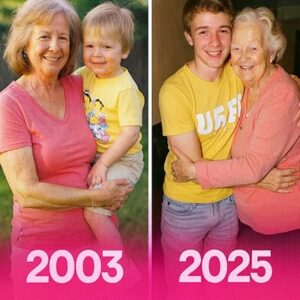
For twenty-two years, I raised my grandson Caleb after his father abandoned him, building a life that, though quiet, was rich with love, laughter, and enduring memories.
In the small, cozy home where we lived, we found a sanctuary—our own little world where the past could not hurt us and where we could heal together.
I thought we had survived the worst, that the heartbreak of losing his mother and the betrayal of his father’s absence were behind us.
But life, as it often does, tested us once again when Derek, Caleb’s father, suddenly reappeared, reopening old wounds and challenging the bonds we had spent decades nurturing.
The story begins with my daughter, Laura. She was only 27 when tragedy struck, dying in a plane crash that left Caleb, then just three years old, without a mother.

The loss was devastating—one of those griefs that pierce the soul and linger indefinitely.
But in the aftermath, caring for Caleb gave me purpose. In those first months, our home was filled with quiet mourning, punctuated by moments of remembering Laura.
We clung to her belongings: her soft scarves, the music she loved, her photographs on the mantel, and the faint scent of her perfume still lingering in the closet.
Each item became a lifeline, a connection to the mother he would never know.
Weeks after Laura’s funeral, Derek returned—but his presence brought little comfort.
He arrived at our doorstep carrying only Caleb’s suitcase, his words laced with excuses rather than remorse.
“I was too young,” he said. “I’ve moved on. You’ll take care of him better than I ever could.”
And with that, he walked away, leaving Caleb in my care.
From that moment, I became his sole guardian, responsible not only for his upbringing but for filling the void left by his absent father.
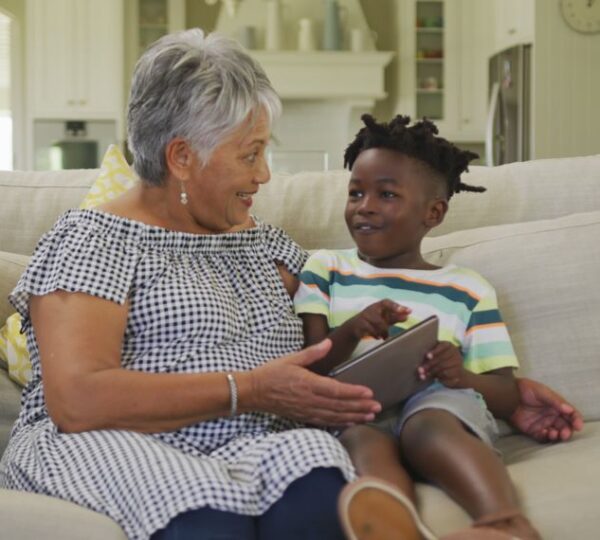
Raising Caleb was a test of endurance and love.
I juggled full-time work, household responsibilities, and the emotional needs of a grieving child.
Yet, amid the challenges, we carved out joy. Sunday mornings were reserved for pancakes, sometimes messy, always shared with laughter.
Summers were spent chasing fireflies in the backyard and dipping our toes in the local creek.
Evenings brought storytelling by candlelight, where we invented tales of courage, friendship, and resilience.
Every small success—his first day of school, his first bicycle ride, learning to read—felt like a shared triumph, a testament to the life we were building together.
Through those years, Caleb grew into a compassionate, driven, and intelligent young man.
Academically, he excelled; socially, he developed into someone empathetic and thoughtful; professionally, he became a successful entrepreneur, creating a business that reflected his determination and strong values.
When he bought a home of his own, it was not just a place to live—it was a symbol of his independence and achievements.
And he insisted I move in with him, wanting to continue the life we had built together.
For the first time in decades, we felt secure, surrounded by the love, laughter, and shared memories that had sustained us.
Then, unexpectedly, Derek returned. He found our old house, now abandoned but still full of memories, and soon appeared at Caleb’s new home.
Years of absence had not softened him; he looked worn by life, yet his eyes reflected only a desire for entitlement.
He demanded a share of Caleb’s success and tried to pressure him into signing away rights to the old family home, using his past role as a father as leverage.
It was clear that he saw only what he could take, not what he had failed to give.
Caleb’s response was calm, firm, and dignified.
He reminded Derek that family is not defined by biology or fleeting presence but by consistent love, care, and responsibility.
He told his father that the only inheritance he had left behind was absence, while the foundation of his life—his character, his resilience, and his values—was built on love, guidance, and unwavering support.
Derek left, powerless to sway the young man he had abandoned decades earlier.
In that moment, I felt a profound sense of peace.
The shadow of the past, the years of struggle and sacrifice, could not be erased by someone who had failed to show up when it mattered most.

Our life together had created something stronger than mere blood ties—a testament to endurance, love, and commitment.
Caleb’s journey underscored a universal truth: family is defined not by who leaves, but by who stays.
Looking back, I am filled with gratitude for the life we shared.
Despite the loss, heartbreak, and trials, we built a life of warmth, resilience, and joy.
Caleb’s success and character are living proof of what can be achieved when love is present, when care is consistent, and when a child knows they are valued and cherished.
Our story is a reminder that those who truly care—and never abandon—create a legacy far stronger than any claim of entitlement.
Even now, I see the lessons that our journey teaches: the power of presence over promises, the strength of enduring love over fleeting obligations, and the remarkable capacity of human beings to heal, grow, and triumph in the face of loss.
Caleb’s life is a testament not just to survival, but to thriving through care, commitment, and the unwavering belief that love can overcome even the deepest wounds.
For twenty-two years, I raised my grandson Caleb after his father abandoned him, building a life that, though quiet, was rich with love, laughter, and enduring memories.
In the small, cozy home where we lived, we found a sanctuary—our own little world where the past could not hurt us and where we could heal together.
I thought we had survived the worst, that the heartbreak of losing his mother and the betrayal of his father’s absence were behind us.
But life, as it often does, tested us once again when Derek, Caleb’s father, suddenly reappeared, reopening old wounds and challenging the bonds we had spent decades nurturing.
The story begins with my daughter, Laura. She was only 27 when tragedy struck, dying in a plane crash that left Caleb, then just three years old, without a mother.
The loss was devastating—one of those griefs that pierce the soul and linger indefinitely.
But in the aftermath, caring for Caleb gave me purpose. In those first months, our home was filled with quiet mourning, punctuated by moments of remembering Laura.
We clung to her belongings: her soft scarves, the music she loved, her photographs on the mantel, and the faint scent of her perfume still lingering in the closet.
Each item became a lifeline, a connection to the mother he would never know.
Weeks after Laura’s funeral, Derek returned—but his presence brought little comfort.
He arrived at our doorstep carrying only Caleb’s suitcase, his words laced with excuses rather than remorse.
“I was too young,” he said. “I’ve moved on. You’ll take care of him better than I ever could.”
And with that, he walked away, leaving Caleb in my care.
From that moment, I became his sole guardian, responsible not only for his upbringing but for filling the void left by his absent father.
Raising Caleb was a test of endurance and love.
I juggled full-time work, household responsibilities, and the emotional needs of a grieving child.
Yet, amid the challenges, we carved out joy. Sunday mornings were reserved for pancakes, sometimes messy, always shared with laughter.
Summers were spent chasing fireflies in the backyard and dipping our toes in the local creek.
Evenings brought storytelling by candlelight, where we invented tales of courage, friendship, and resilience.
Every small success—his first day of school, his first bicycle ride, learning to read—felt like a shared triumph, a testament to the life we were building together.
Through those years, Caleb grew into a compassionate, driven, and intelligent young man.
Academically, he excelled; socially, he developed into someone empathetic and thoughtful; professionally, he became a successful entrepreneur, creating a business that reflected his determination and strong values.
When he bought a home of his own, it was not just a place to live—it was a symbol of his independence and achievements.
And he insisted I move in with him, wanting to continue the life we had built together.
For the first time in decades, we felt secure, surrounded by the love, laughter, and shared memories that had sustained us.
Then, unexpectedly, Derek returned. He found our old house, now abandoned but still full of memories, and soon appeared at Caleb’s new home.
Years of absence had not softened him; he looked worn by life, yet his eyes reflected only a desire for entitlement.
He demanded a share of Caleb’s success and tried to pressure him into signing away rights to the old family home, using his past role as a father as leverage.
It was clear that he saw only what he could take, not what he had failed to give.
Caleb’s response was calm, firm, and dignified.
He reminded Derek that family is not defined by biology or fleeting presence but by consistent love, care, and responsibility.
He told his father that the only inheritance he had left behind was absence, while the foundation of his life—his character, his resilience, and his values—was built on love, guidance, and unwavering support.
Derek left, powerless to sway the young man he had abandoned decades earlier.
In that moment, I felt a profound sense of peace.
The shadow of the past, the years of struggle and sacrifice, could not be erased by someone who had failed to show up when it mattered most.
Our life together had created something stronger than mere blood ties—a testament to endurance, love, and commitment.
Caleb’s journey underscored a universal truth: family is defined not by who leaves, but by who stays.
Looking back, I am filled with gratitude for the life we shared.
Despite the loss, heartbreak, and trials, we built a life of warmth, resilience, and joy.
Caleb’s success and character are living proof of what can be achieved when love is present, when care is consistent, and when a child knows they are valued and cherished.
Our story is a reminder that those who truly care—and never abandon—create a legacy far stronger than any claim of entitlement.
Even now, I see the lessons that our journey teaches: the power of presence over promises, the strength of enduring love over fleeting obligations, and the remarkable capacity of human beings to heal, grow, and triumph in the face of loss.
Caleb’s life is a testament not just to survival, but to thriving through care, commitment, and the unwavering belief that love can overcome even the deepest wounds.