Nails are often treated as a cosmetic detail—something to polish, trim, and maintain for appearance. But in reality, they are much more than that. Your nails quietly reflect what’s happening inside your body. Changes in texture, strength, and growth patterns can reveal subtle shifts in your overall health long before other symptoms appear.
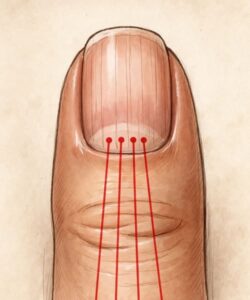
One of the most common concerns people notice over time is the appearance of vertical nail ridges. These lines, which run from the cuticle to the tip, can be completely normal—especially as part of the natural aging process. As the body changes, so does nail growth, and ridges may simply become more visible.
However, not all nail changes should be dismissed.
When ridges deepen, nails become brittle, or splitting increases, it may signal something more significant—often tied to nutrition. The body depends on a steady supply of essential nutrients to build strong, smooth nails. When that supply drops or becomes inconsistent, the effects can show up in ways that are easy to overlook at first.
The encouraging part? Improving nail health is often simpler than people expect. It doesn’t usually require expensive treatments or complicated routines. In many cases, it starts with something much more fundamental: what you eat every day.
Understanding Nail Ridges: What Your Body Might Be Telling You
Before diving into nutrition, it’s important to understand why ridges appear in the first place.
Nails are made primarily of keratin, a structural protein that forms a protective layer. As your body produces keratin, it relies on nutrients, hydration, and overall health to maintain a smooth, consistent growth pattern.
When something disrupts that process—whether it’s aging, stress, or nutritional imbalance—the result can be uneven nail formation, which shows up as ridges.
Vertical ridges are usually harmless. But when combined with other symptoms—like brittleness, thinning, or discoloration—they may indicate that your body isn’t getting what it needs.
That’s where nutrition becomes essential.
Protein: The Foundation of Strong Nails
At the core of nail health is protein.
Because nails are composed largely of keratin, your body needs enough protein to produce it effectively. Without adequate protein intake, keratin production slows down or weakens, leading to softer nails that are more prone to ridges and breakage.
This doesn’t mean you need excessive amounts of protein—it means you need consistency.
Best Protein Sources for Nail Health:
- Eggs
- Chicken and turkey
- Fish
- Greek yogurt
- Beans and lentils
- Tofu and other plant-based proteins
Spacing protein intake throughout the day helps your body maintain a steady supply for keratin production.
Over time, this consistency supports stronger, smoother nails that are less likely to develop pronounced ridges.
Biotin (Vitamin B7): The Nail Strengthener
Biotin is one of the most well-known nutrients for improving nail health.
It plays a direct role in supporting keratin structure, helping nails grow thicker and more resilient. People who experience brittle nails often see improvement when they increase their biotin intake.
While supplements are widely available, many people can meet their needs through food alone.
Foods Rich in Biotin:
- Cooked eggs
- Almonds and walnuts
- Spinach and leafy greens
- Sweet potatoes
- Salmon
Biotin doesn’t work overnight. But with consistent intake, it can gradually improve nail strength and reduce fragility.
Iron: Preventing Weak and Ridged Nails
Iron is another critical nutrient that directly impacts nail health.
When iron levels are low, the body prioritizes essential functions like oxygen transport, often leaving nail growth under-supported. This can result in thin, brittle nails with visible ridges.
In more severe cases, nails may even change shape.
Iron-Rich Foods:
- Lean red meat
- Chicken
- Lentils and chickpeas
- Pumpkin seeds
- Dark leafy greens
For those following a plant-based diet, pairing iron-rich foods with vitamin C sources—like oranges or bell peppers—can significantly improve absorption.
This small adjustment can make a meaningful difference over time.
Zinc: Supporting Growth and Repair
Zinc plays a quieter but equally important role in nail health.
It supports cell growth and repair—two processes that are essential for maintaining smooth, strong nails. A zinc deficiency can lead to irregularities such as ridges, white spots, or slower nail growth.
Because the body doesn’t store zinc efficiently, it needs regular replenishment.
Zinc-Rich Foods:
- Oysters
- Beef
- Pumpkin seeds
- Nuts
- Whole grains
Even moderate, consistent intake can support healthier nail development.
Omega-3 Fatty Acids: Hydration From Within
While strength is important, moisture is just as critical.
Dry nails tend to look more ridged, feel more brittle, and break more easily. Omega-3 fatty acids help maintain hydration in the nail bed, improving flexibility and reducing damage.
Omega-3 Sources:
- Salmon
- Sardines
- Mackerel
- Chia seeds
- Flaxseeds
- Walnuts
In addition to supporting nail health, omega-3s improve circulation, helping deliver nutrients more effectively throughout the body.
Hydration: The Overlooked Factor
Even the best diet can fall short if hydration is lacking.
Dehydration can make nails dry, fragile, and more prone to ridges. Drinking enough water supports not just nail health, but also skin elasticity and overall bodily function.
Hydrating Foods:
- Cucumbers
- Oranges
- Watermelon
- Celery
Combining water intake with hydrating foods helps maintain balance and supports long-term nail health.
Consistency Over Quick Fixes
One of the most important things to understand is that nail health doesn’t improve overnight.
Nails grow slowly. Changes in diet take time to reflect in their appearance. This means consistency matters far more than short-term efforts.
A balanced diet maintained over weeks and months will always be more effective than quick fixes or temporary changes.
Think of it as building strength from the inside out.
When Nail Changes Might Signal Something More
While nutrition plays a major role, not all nail changes are purely dietary.
Certain signs should not be ignored:
- Deep horizontal ridges
- Sudden discoloration
- Dark streaks
- Pain or swelling around the nail
These symptoms may indicate underlying health conditions that require medical attention.
Understanding the difference between normal variation and warning signs is essential.
Beyond Diet: Supporting Nail Health Holistically
While food is the foundation, other habits can support your progress:
- Avoid excessive exposure to harsh chemicals
- Keep nails trimmed and clean
- Use gentle nail care products
- Protect hands from prolonged water exposure
These small habits work alongside proper nutrition to maintain nail strength and appearance.
The Bigger Picture: Nails as a Reflection of Health
It’s easy to focus on surface-level solutions—polishes, treatments, and quick cosmetic fixes.
But true nail health starts internally.
What you eat directly affects how your body builds and maintains every structure, including your nails. When you provide your body with the right nutrients, you create the conditions for stronger, smoother, and healthier nails.
A Simple Approach That Works
Improving nail ridges doesn’t require perfection.
It requires awareness.
It requires consistency.
And it requires small, intentional choices made daily.
By focusing on:
- Adequate protein
- Biotin-rich foods
- Iron and zinc intake
- Healthy fats
- Proper hydration
You support your body in a way that naturally improves nail health over time.
Final Thoughts
Your nails are more than a cosmetic feature.
They are a reflection of how well your body is being supported.
When you pay attention to what goes into your body, the results show on the outside—stronger nails, smoother texture, and reduced ridging.
It’s not about achieving flawless nails overnight.
It’s about building lasting health through consistent, thoughtful habits.
Take care of what you eat, and your body will take care of the rest.