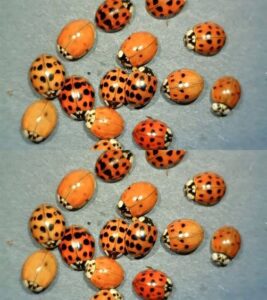
Ladybugs are among the most beloved insects in the world, with their tiny, vibrant bodies and charming personalities. Most people are familiar with the classic red ladybug, which has become a symbol of good luck, protection, and natural pest control. However, what if you spot a ladybug that isn’t red but instead a brilliant yellow? You may be wondering what it means, why it’s yellow, and whether there’s any significance tied to it.
In this article, we will explore the fascinating world of yellow ladybugs, diving into their symbolism, the science behind their coloration, their ecological role, and the cultural meanings they hold. Whether you’re an avid nature lover or simply curious about this small but captivating creature, understanding the meaning behind a yellow ladybug can offer new insights into both the natural world and the symbolic meanings we often attach to it.
The Hidden Meaning of Yellow Ladybugs
The Symbol of Good Luck
Ladybugs, in general, are considered to be symbols of good fortune across many cultures, and yellow ladybugs are no exception. Just like their red counterparts, yellow ladybugs are often seen as a sign of positive change. When you spot one, it may be interpreted as a signal that something good is on the horizon. This could range from a new opportunity to a fresh start, or even a small moment of happiness entering your life.
In various cultures, the ladybug’s appearance has long been linked to concepts of prosperity and luck. For instance, in European folklore, it was believed that if a ladybug landed on you, it was a sign of an impending windfall or good fortune. The yellow variety carries this same energy but is sometimes associated with a slightly different nuance—happiness and positive energy. Its bright, cheerful color often suggests that the universe is aligning to bring joy and lightness into your life.
While many people enjoy these interpretations, it’s also important to remember that luck is what you make of it. Simply seeing a yellow ladybug can serve as a gentle reminder to focus on the positive aspects of your life, embrace optimism, and keep an open mind to new possibilities.
Happiness and Warmth
The color yellow is universally associated with warmth, happiness, and energy. Think of the sun, cheerful spring mornings, and bright flowers—yellow is the color that symbolizes joy and positivity. When you spot a yellow ladybug, it’s almost as if nature itself is sending you a message to embrace the lighter, more cheerful side of life.
If you’ve been feeling down or overwhelmed, encountering a yellow ladybug might be the universe’s subtle nudge to focus on the brighter side of things. It’s a reminder to bring more warmth into your life, whether through spending time with loved ones, enjoying hobbies, or simply finding joy in everyday moments.
New Beginnings
Yellow is also the color of new beginnings. Whether it’s the start of a new day, a new season, or a fresh chapter in your personal life, yellow symbolizes growth, renewal, and opportunity. In the same way that a sunflower turns its face toward the sun as it blooms, a yellow ladybug could be seen as a sign that a new phase is unfolding for you.
For many, seeing a yellow ladybug could mark a transition, such as a new job, a move to a new place, or even the beginning of a new personal journey. The symbolism tied to new beginnings encourages people to approach these changes with an open heart and a positive mindset. So, the next time you spot a yellow ladybug, take a moment to reflect on any changes in your life and embrace the possibilities ahead.
Why Are Some Ladybugs Yellow? The Science Behind Their Coloration
Ladybug Coloration and Its Purpose
Now that we know what a yellow ladybug might symbolize, let’s dive into the science behind their coloration. Why are some ladybugs yellow, and what purpose does this bright hue serve? The coloration of ladybugs—whether yellow, red, orange, or even black—is primarily a defense mechanism.
Ladybugs, regardless of their color, have a unique and somewhat unpleasant strategy for avoiding predators: they secrete a chemical compound from their legs that gives off a strong, often unpleasant odor. This “distasteful” liquid, which is typically yellow or orange, serves as a deterrent for animals that might consider them a tasty snack. The bright, bold coloration acts as a visual warning to potential predators that the ladybug is not a good choice for a meal.
The color serves a secondary function in signaling to predators that the ladybug is toxic or unpalatable. This “aposematic coloration”—as it’s called—evolved to protect ladybugs from the dangers of predation. Essentially, it’s nature’s way of saying, “Don’t eat me!”
The yellow ladybug, just like the red one, utilizes this defense strategy. The bright yellow coloration serves as a deterrent to birds and other predators who might be interested in making a meal out of them. For the ladybug, this method is highly effective, allowing it to thrive and continue its important ecological role.
The Role of Yellow Ladybugs in Pest Control
While the color of ladybugs is often a defensive mechanism, these insects also play a crucial role in maintaining a healthy ecosystem. Yellow ladybugs, in particular, are part of a larger group of ladybugs known as the Psyllobora species, which primarily feed on fungi. Unlike the more common red ladybug, which feasts on aphids—small insects that damage plants—yellow ladybugs are especially effective at keeping mildew, mold, and other fungi at bay.
This makes yellow ladybugs valuable allies in gardens, particularly in places where plant health is a concern. Fungi and mildew can quickly ruin the beauty of your flowers or vegetables, but yellow ladybugs can help curb this problem by eating the harmful fungi before they take hold. Their contribution to natural pest control is just as important as that of their red cousins.
In fact, while many people associate ladybugs with aphid control, yellow ladybugs provide an additional layer of protection by targeting a different set of plant invaders. Their role in this natural ecosystem makes them highly beneficial, even though their appearance might not always stand out as much as the iconic red ladybug.
Are Yellow Ladybugs Harmful?
No, Yellow Ladybugs Are Not Harmful
One of the most common questions people have when encountering a yellow ladybug is whether or not they are harmful. Fortunately, yellow ladybugs are completely harmless to humans. Unlike some insects that can sting or bite, ladybugs are gentle and pose no danger to us. Their role in the ecosystem is beneficial, as they help control pests and keep our gardens healthy.
However, it is important to note that there is a potential for confusion between yellow ladybugs and other similar-looking beetles, like the yellow Asian lady beetle. The Asian lady beetle is an invasive species that tends to enter homes during the cooler months, seeking warmth. While these beetles are not harmful in terms of causing physical harm, they can be a nuisance, and they tend to emit a foul odor when disturbed.
So, if you see a yellow ladybug outdoors, there’s no need to worry—it’s not harmful and is, in fact, likely helping to protect your garden from mildew or fungi. Just make sure to differentiate it from the yellow Asian lady beetle if you spot one indoors during the colder months.
Are Yellow Ladybugs Dangerous to Plants?
No, yellow ladybugs are not dangerous to plants. Quite the opposite, actually. As mentioned earlier, yellow ladybugs are often beneficial in gardens because they feed on fungi like mildew and mold, which can harm plants. While red ladybugs target aphids and other plant-eating insects, yellow ladybugs focus on cleaning up fungi, ensuring that your plants remain healthy and free from fungal growth.
In this way, yellow ladybugs provide valuable natural pest control that helps to maintain a balanced and thriving garden ecosystem. They work in tandem with other natural predators to keep pests in check and minimize the need for chemical pesticides, which can be harmful to both plants and the environment.
What Should You Do If You See a Yellow Ladybug?
Appreciate the Moment
If you happen to spot a yellow ladybug in your garden or on a walk through nature, take a moment to appreciate it. These little creatures are often overlooked due to their more common red counterparts, but they are just as beautiful and meaningful. If you enjoy symbolic meanings, consider the possibility that this small encounter could be a sign of good things to come.
If you believe in symbolism, you might want to make a wish or take a moment to focus on something positive when you see a yellow ladybug. Whether you see it as a sign of good luck, a reminder of happiness, or a symbol of new beginnings, it can be a special moment to reflect on the positive aspects of your life.
Observe Its Role in Nature
Beyond symbolism, seeing a yellow ladybug also offers an opportunity to connect with the natural world. These small creatures play a vital role in the ecosystem by controlling plant-eating pests and fungi. Watching a yellow ladybug in action as it helps keep your garden healthy can provide a greater appreciation for the intricate balance of nature.
By observing and learning about yellow ladybugs, you may also become more mindful of the ways in which nature’s small creatures contribute to the health and wellbeing of our environment. Protecting and preserving the habitats of these beneficial insects is essential for maintaining biodiversity and ensuring the continued success of natural pest control.