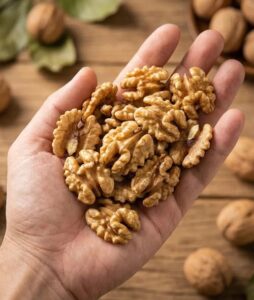
At first glance, walnuts might seem like just another simple snack—small, earthy, and easy to overlook among flashier, heavily marketed foods. But beneath their rough, wrinkled shells lies one of the most nutrient-dense foods you can add to your daily routine. For centuries, walnuts have been valued across cultures not only for their rich taste but also for their remarkable wellness benefits.
In today’s fast-paced world, where processed snacks dominate grocery shelves, walnuts stand out as a natural, whole-food option that delivers genuine nourishment. They don’t rely on artificial ingredients, added sugars, or complicated health claims. Instead, they offer a balanced combination of healthy fats, plant-based nutrients, and essential minerals that support overall well-being in a simple, accessible way.
This guide explores why walnuts deserve a place in your diet—from heart health and brain function to digestion, energy, and beyond—while keeping things practical, reader-friendly, and easy to apply in everyday life.
Why Walnuts Are More Than Just a Snack
One of the reasons walnuts are so valuable is their unique nutritional profile. Unlike many other snack options, walnuts provide a combination of macronutrients and micronutrients that work together to support the body holistically.
They are especially rich in:
- Healthy fats (including omega-3 fatty acids)
- Plant-based protein
- Dietary fiber
- Antioxidants
- Essential vitamins and minerals
This combination makes walnuts more than just a quick bite—they become a functional food that contributes to long-term wellness.
Rich in Omega-3 Fatty Acids for Heart Health
One of the standout features of walnuts is their high content of plant-based omega-3 fatty acids, particularly alpha-linolenic acid (ALA). These fats play an important role in supporting cardiovascular health.
Regularly consuming foods rich in omega-3s may help:
- Support healthy cholesterol levels
- Promote flexible blood vessels
- Maintain overall heart function
Unlike many other nuts, walnuts are one of the best plant-based sources of these beneficial fats. This makes them especially valuable for individuals who follow vegetarian or plant-forward diets.
Adding a small handful of walnuts to your meals can be a simple way to support heart health without needing major dietary changes.
A Natural Source of Antioxidants
Walnuts are packed with antioxidants—natural compounds that help protect the body from oxidative stress. Oxidative stress occurs when there’s an imbalance between free radicals and the body’s ability to neutralize them.
Over time, excess oxidative stress can contribute to various health concerns. Walnuts help support the body’s natural defense system thanks to their rich supply of polyphenols and other antioxidants.
Interestingly, many of these beneficial compounds are found in the thin skin surrounding the walnut. That’s why it’s best to eat walnuts whole rather than overly processed.
Including antioxidant-rich foods like walnuts in your diet may support:
- Cellular health
- Immune function
- Overall vitality
Supporting Brain Function and Mental Clarity
Walnuts are often associated with brain health—and not just because they resemble the shape of a brain. Their nutritional content genuinely supports cognitive function.
The combination of omega-3 fatty acids, antioxidants, and essential nutrients contributes to:
- Memory support
- Mental clarity
- Focus and concentration
Many people find that replacing sugary snacks with walnuts helps maintain steady energy and sharper thinking throughout the day.
Whether you’re working, studying, or simply trying to stay mentally alert, walnuts can be a smart addition to your routine.
Long-Lasting Energy Without the Crash
One of the biggest challenges with modern snacking is the cycle of energy spikes and crashes. Sugary or highly processed snacks may provide a quick boost, but it’s often followed by fatigue and cravings.
Walnuts offer a different experience.
Thanks to their balance of fats, protein, and fiber, they provide slow, steady energy that helps you stay satisfied longer.
Benefits include:
- Reduced hunger between meals
- More stable energy levels
- Fewer cravings for less nutritious foods
A small handful of walnuts in the afternoon can help you power through the rest of your day without reaching for processed alternatives.
Supporting Digestive Health
Emerging research suggests that walnuts may also play a role in supporting gut health. The digestive system relies on a balanced community of beneficial bacteria, often referred to as the gut microbiome.
Walnuts contain natural fibers and plant compounds that may help nourish these beneficial bacteria.
A healthy gut is linked to:
- Better digestion
- Improved nutrient absorption
- Stronger immune function
- Even mood regulation
While walnuts aren’t a cure-all, they contribute to a balanced diet that supports internal wellness from the inside out.
Packed with Essential Vitamins and Minerals
Walnuts provide a wide range of important nutrients that support everyday bodily functions.
These include:
- Magnesium – supports muscle function and energy production
- Phosphorus – contributes to strong bones and teeth
- Copper – helps with iron metabolism and overall health
- Manganese – supports metabolism and antioxidant function
- Vitamin B6 – plays a role in brain development and function
Together, these nutrients work in harmony to support the body’s natural processes.
Easy Ways to Add Walnuts to Your Daily Meals
One of the best things about walnuts is how versatile they are. They don’t require complicated preparation and can be added to a wide variety of dishes.
Breakfast Ideas
- Sprinkle over oatmeal or cereal
- Add to yogurt with fruit and honey
- Blend into smoothies for extra creaminess
Lunch and Dinner Options
- Toss into salads for added crunch
- Mix into grain bowls or roasted vegetables
- Use as a topping for soups or pasta dishes
Snacks and Baking
- Add to trail mix or energy bars
- Bake into muffins, breads, or cookies
- Enjoy raw or lightly toasted on their own
Their mild, slightly earthy flavor pairs well with both sweet and savory foods, making them incredibly easy to incorporate into your routine.
A Smart Choice for Mindful Eating
Walnuts naturally encourage mindful eating habits. Because they are nutrient-dense and satisfying, a small portion is often enough to feel full and nourished.
This helps support:
- Portion control
- Balanced eating patterns
- Reduced reliance on processed snacks
Instead of eating out of habit or boredom, walnuts make it easier to snack with intention.
Weight Management and Satiety
Despite being calorie-dense, walnuts can actually support weight management when eaten in moderation.
Their combination of healthy fats, protein, and fiber helps you feel full longer, reducing the likelihood of overeating.
Many people find that including walnuts in their diet helps:
- Control portion sizes
- Reduce snacking on less nutritious foods
- Maintain steady energy levels
As part of a balanced diet, walnuts can be a helpful tool rather than something to avoid.
Supporting an Active Lifestyle
Whether you’re active outdoors, working long hours, or managing a busy household, walnuts are a convenient and portable snack.
They:
- Require no refrigeration
- Travel well
- Provide quick, sustained energy
This makes them ideal for:
- Hiking and outdoor activities
- Busy workdays
- On-the-go snacking
A small bag of walnuts can be an easy way to stay fueled throughout the day.
A Natural Alternative to Processed Snacks
Modern grocery stores are filled with snacks that are high in sugar, salt, and artificial ingredients. While convenient, these options often lack real nutritional value.
Walnuts offer a simple alternative:
- No added sugars
- No artificial additives
- Naturally nutrient-rich
Choosing whole foods like walnuts can help shift your diet toward more balanced, nourishing choices without feeling restrictive.
Sustainability and Simplicity
Walnuts also represent a return to simpler eating habits. They don’t require complex packaging, heavy processing, or marketing to prove their value.
This aligns with a more natural, sustainable approach to food—one that focuses on quality, balance, and long-term wellness.
Building a Consistent Healthy Habit
One of the most powerful aspects of walnuts is how easy they are to incorporate consistently.
You don’t need to overhaul your entire diet. Just adding a handful of walnuts each day can contribute to meaningful changes over time.
Consistency matters more than perfection.
Small habits like this can support:
- Heart health
- Brain function
- Energy levels
- Overall well-being
Final Thoughts: Small Snack, Big Impact
In a world where health advice can feel overwhelming and complicated, walnuts offer a refreshing reminder that simple choices can make a real difference.
They are:
- Nutritious
- Versatile
- Convenient
- Naturally satisfying
From supporting heart health and brain function to providing lasting energy and digestive benefits, walnuts truly live up to their reputation as a small snack with big impact.
By adding walnuts to your daily routine—whether in meals, snacks, or recipes—you’re choosing a time-tested, natural way to support your health.
And sometimes, the simplest habits are the ones that last the longest.