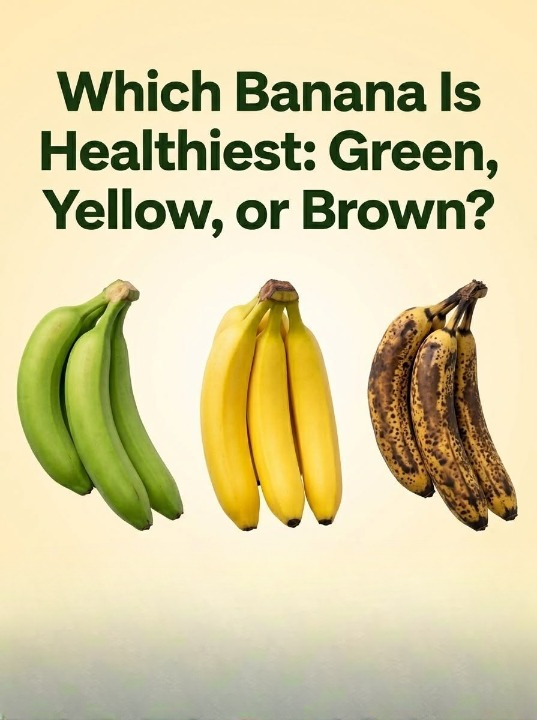
Bananas are one of the most popular fruits in the world. They are affordable, easy to carry, naturally sweet, and packed with nutrients that make them a favorite snack for busy mornings, workouts, and quick energy during the day. Most people toss a few into the grocery cart without giving them much thought.
But what many people do not realize is that bananas change dramatically as they ripen.
A green banana, a bright yellow banana, and a brown spotted banana are not nutritionally identical. As the fruit matures, its texture, sugar content, antioxidant levels, and digestive effects all shift. Understanding those changes can help you choose the right banana for your personal health goals.
The good news is that no stage is “bad.” Each type simply offers different benefits depending on what your body needs.
Why Banana Ripeness Changes Everything
As bananas ripen, natural enzymes inside the fruit begin converting complex starches into simpler sugars. This process changes not only the taste but also the way the body digests and uses the fruit.
Green bananas contain more resistant starch and less sugar. Yellow bananas offer a balance between starch and sweetness. Brown bananas contain the highest level of natural sugars and are softer, sweeter, and easier to digest.
This transformation is completely natural and happens over time as the fruit matures.
The key is understanding which stage may work best for your lifestyle, energy needs, and digestion.
Green Bananas: Better for Slow Energy and Gut Health
Green bananas are often ignored because they are firmer and less sweet. However, they contain high amounts of resistant starch, a type of carbohydrate that acts similarly to dietary fiber.
Unlike simple sugars, resistant starch is not quickly broken down in the small intestine. Instead, it moves through the digestive system more slowly and helps feed beneficial gut bacteria.
Because of this, green bananas may help:
- Support digestive health
- Promote feelings of fullness
- Provide slower, steadier energy
- Reduce sudden blood sugar spikes
Many people who are trying to manage appetite or avoid energy crashes prefer slightly green bananas for this reason.
The texture is firmer and the flavor is more mild, which makes green bananas popular in smoothies or cooked dishes in many cultures around the world.
Some people also find that green bananas keep them satisfied longer than fully ripe ones.
Yellow Bananas: The Balanced Everyday Option
The bright yellow banana is what most people consider “perfectly ripe.”
At this stage, some of the resistant starch has converted into natural sugars like glucose, fructose, and sucrose. The fruit becomes softer, sweeter, and easier to eat while still retaining a good amount of fiber.
Yellow bananas are often considered the most versatile stage because they provide:
- Quick but moderate energy
- Natural sweetness
- Potassium and vitamin B6
- Easy portability for snacks or workouts
This is one reason athletes often eat bananas before exercise. The natural carbohydrates provide accessible fuel that the body can use quickly during physical activity.
Yellow bananas are also easier on the digestive system than green bananas for many people while still avoiding the extreme softness and sweetness of overripe fruit.
For everyday snacking, this stage works well for most healthy adults.
Brown Spotted Bananas: Sweeter and Rich in Antioxidants
Many people throw away bananas as soon as brown spots appear on the peel. In reality, spotted bananas are still perfectly usable and may even provide additional nutritional advantages.
As bananas continue ripening, the remaining starch converts almost entirely into simple sugars. This gives brown bananas their soft texture and intense sweetness.
At the same time, antioxidant compounds naturally increase as the fruit matures. Antioxidants help the body manage oxidative stress caused by normal aging, pollution, and everyday environmental exposure.
Brown bananas may be especially helpful for:
- Smooth digestion
- Quick energy recovery
- Baking and smoothies
- Older adults or people with sensitive digestion
Because they are softer, they are often easier to chew and digest than underripe bananas.
Their sweetness also makes them useful in healthier dessert recipes since they can naturally replace some added sugar in baked goods like banana bread, muffins, or pancakes.
Are Bananas Bad for Blood Sugar?
Bananas are naturally sweet, which sometimes leads to confusion about whether they are healthy for people watching their blood sugar levels.
The answer depends largely on ripeness and portion size.
Green bananas generally have a lower glycemic impact because resistant starch slows digestion. Brown bananas, on the other hand, contain more readily available sugars that can raise blood sugar more quickly.
This does not mean ripe bananas are unhealthy. It simply means balance matters.
One simple strategy is pairing bananas with protein or healthy fats. For example:
- Banana with peanut butter
- Banana with Greek yogurt
- Banana with almonds or walnuts
These combinations help slow sugar absorption and create a more balanced snack.
Anyone with diabetes or specific dietary concerns should always follow guidance from a healthcare professional, but for most people, bananas can absolutely fit into a healthy diet.
What About Banana Allergies?
Although uncommon, some people may experience mild allergic reactions to bananas. Symptoms can include itching around the mouth or throat discomfort.
This is sometimes linked to latex-fruit syndrome, where proteins in bananas resemble proteins found in latex.
Anyone who experiences allergic symptoms after eating bananas should speak with a medical professional.
Choosing the Right Banana for Your Needs
There is no single “best” banana. The healthiest choice depends on your goals and preferences.
Choose greener bananas if you want:
- Longer-lasting fullness
- More resistant starch
- Slower energy release
Choose yellow bananas if you want:
- Balanced sweetness
- Everyday energy
- A convenient workout snack
Choose brown bananas if you want:
- Softer texture
- Maximum sweetness
- Easy digestion or baking ingredients
Instead of viewing ripeness as good or bad, it helps to think of bananas as changing nutritional tools.
A Smarter Way to Look at Food
Food is not static. Fruits naturally evolve as they ripen, and those changes affect how our bodies respond to them.
Bananas are a perfect example of how small differences in ripeness can influence energy, digestion, sweetness, and texture.
The next time you reach for a banana, take a closer look at the peel before deciding whether it belongs in your breakfast, your smoothie, your workout bag, or your baking recipe.
A green banana may support steady energy throughout the day. A yellow one may be ideal before exercise. A brown spotted banana may be perfect for digestion and natural sweetness.
And instead of throwing overripe bananas away, you might discover they still have plenty to offer.
Sometimes the fruit people overlook the fastest is the one at its most useful stage.
Uncategorized