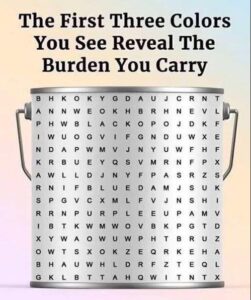
Long before we explain ourselves to anyone else, color has already started doing the talking.
The sweater you reach for without thinking. The shade you repaint your bedroom. The mug you choose every single morning. None of it is random. Color is emotion made visible. It reflects what’s happening beneath the surface—sometimes more honestly than our words ever could.
As life moves through different chapters, it’s fascinating how our preferences shift. The bold red you once loved may suddenly feel overwhelming. The quiet blue you once ignored may now feel like relief. A soft yellow scarf, a deep green plant in the corner, a stark white room after a major change—these are not just aesthetic decisions. They’re emotional ones.
We don’t just choose color. We respond to it.
When Color Speaks Before We Do
Color isn’t decoration. It’s a kind of private language.
Before we say, “I’m tired,” we might start wearing gray.
Before we admit, “I need peace,” we might paint the walls blue.
Before we confess, “I want to feel alive again,” we might reach for red.
Each shade carries its own emotional rhythm.
❤️ Red: Energy, Urgency, and Desire
Red is immediate. It’s the color of blood, heat, and movement. It demands attention. People drawn to red often crave vitality—confidence, passion, boldness. It can signal a desire to feel powerful or seen.
But red also carries tension. During stressful periods, some people surround themselves with red without realizing they’re trying to ignite motivation or push through fatigue. On the other hand, avoiding red may reflect a wish to stay unnoticed, to avoid confrontation, or to step away from intensity.
Red amplifies whatever is already inside.
💙 Blue: Calm, Reflection, and Emotional Distance
Blue is the exhale after a long breath. It mirrors sky and water—open, steady, expansive. A preference for blue often signals a longing for calm, order, and emotional balance.
There’s a reason blue appears in hospitals, spas, and meditation rooms. It slows the body. It steadies the heart. It creates space to think.
But too much blue can sometimes hint at emotional withdrawal. While it soothes, it can also protect. For some, blue becomes a subtle shield—beautiful, but slightly distant.
💚 Green: Healing, Stability, and Renewal
Green sits between blue’s calm and yellow’s light. It represents growth, restoration, and grounded energy. When someone begins bringing plants into their home or choosing green clothing more often, it can reflect a need for healing or equilibrium.
In therapeutic settings, green is used to build trust and comfort. It feels natural, reassuring.
Avoiding green may signal resistance to change. Growth, after all, requires vulnerability. Turning away from green can mean feeling unready for transformation.
💛 Yellow: Hope, Curiosity, and Mental Spark
Yellow is warmth in visible form. It stimulates thought and lifts mood. A sudden attraction to yellow often appears after heavy emotional periods—when someone is quietly reaching for optimism.
Even small touches—a notebook, a bouquet of flowers, a patterned scarf—can reintroduce lightness.
Yet because yellow is bright and visible, some avoid it during uncertain times. It can feel too exposing, too cheerful when the heart feels fragile. In those moments, muted tones feel safer.
💜 Purple: Depth, Meaning, and Inner Shift
Purple blends red’s intensity with blue’s calm, creating a color linked to introspection and transformation. Historically associated with wisdom and spirituality, purple often emerges during periods of personal growth.
Being drawn to purple may signal a desire to explore deeper meaning or to embrace change. Avoiding it might reflect a preference for clarity and simplicity. Purple invites reflection—not everyone is ready for that invitation.
⚫ ⚪ The Quiet Power of Neutrals
Black, white, and gray may seem neutral, but they carry emotional weight.
Black often represents strength and protection. It can function as armor—a way to create emotional boundaries or regain control. Choosing black doesn’t always signal sadness. Sometimes it signals resilience.
White suggests clarity and renewal. Many people gravitate toward white during life transitions—after loss, during reinvention, or when craving simplicity. It offers space. A reset.
Gray sits between extremes. It often appears during fatigue, contemplation, or emotional pause. In moderation, it feels steady. In excess, it can reflect emotional numbness or burnout.
The Body Responds Before the Mind
Our reactions to color aren’t just symbolic—they’re biological.
Research shows that red can raise heart rate and stimulate alertness. Blue can lower blood pressure and slow breathing. Yellow activates mental energy. Green supports concentration and relaxation.
Cultural meanings vary—white symbolizes purity in some places and mourning in others. Red can mean love, danger, or celebration depending on context. But across cultures, one truth remains: color affects us before we consciously analyze it.
We feel it first. We explain it later.
Daily Choices, Hidden Messages
The walls we paint.
The couch we buy.
The jacket that feels “right” lately.
These choices often reflect emotional needs—comfort, security, vitality, or clarity.
After difficult periods, people often lean toward muted tones. As life brightens, warmer shades naturally return. Even the colors we avoid tell a story. Avoidance can signal caution. It can also signal readiness for something new.
Listening to the Language of Color
The next time you notice yourself gravitating toward a particular shade—or feeling strangely resistant to another—pause.
Ask gently: What might this be saying about me right now?
Color doesn’t shout. It whispers.
It mirrors what words sometimes struggle to express. It captures the subtle shifts inside us—the longing for peace, the hunger for change, the need for protection, the spark of hope.
Long before we speak, color has already begun telling our story.