In a world increasingly driven by digital technology and fast-paced lifestyles, many people are rediscovering the value of traditional crafts. Handmade skills that once seemed outdated are now experiencing a revival among hobbyists, artists, and creative entrepreneurs. One such craft gaining renewed interest is tatting, a delicate form of lace-making that has been practiced for centuries.
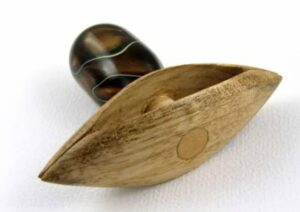
At the center of this craft is a small yet remarkable tool known as the tatting shuttle. Despite its simple appearance, this instrument allows artisans to create incredibly intricate lace patterns made of rings, chains, and decorative loops. For generations, tatting shuttles have helped makers transform simple thread into elegant lace used in clothing, home décor, and heirloom pieces.
Today, the art of shuttle tatting continues to attract both beginners and experienced crafters who appreciate the slow, mindful process of working with thread. Learning how to use a tatting shuttle not only opens the door to beautiful handmade lace but also connects modern artisans to a long tradition of craftsmanship.
In this comprehensive guide, we’ll explore the history of tatting shuttles, explain how they are used, and highlight the many ways this timeless craft continues to inspire creativity today.
The Hidden Meaning / Significance
Why the Tatting Shuttle Is More Than Just a Tool
Although small enough to fit in the palm of your hand, the tatting shuttle plays a central role in a craft that has fascinated artisans for centuries. The shuttle holds thread and allows the maker to form precise knots and loops that eventually build complex lace patterns.
What makes the shuttle particularly unique is how it combines simplicity and precision. Unlike large weaving looms or knitting needles, the shuttle requires only a single thread and careful hand movements to produce elaborate designs.
Many crafters describe shuttle tatting as both a technical and meditative process. The repetitive motion of forming knots encourages focus and patience, allowing makers to slow down and immerse themselves in the creative act.
In recent years, craft enthusiasts have increasingly embraced handmade skills as a way to reduce stress and reconnect with tactile creativity.
A Craft That Encourages Mindfulness
Modern lifestyles often involve constant digital interaction. Activities like tatting offer a refreshing contrast by providing a hands-on, screen-free experience.
Many artisans report that working with a tatting shuttle helps them:
-
Improve concentration
-
Reduce stress and anxiety
-
Develop patience and precision
-
Experience creative satisfaction
This meditative quality has contributed to the growing popularity of traditional crafts in recent years.
In fact, craft therapists and wellness advocates often encourage activities such as knitting, crochet, and tatting as forms of mindful creativity.
Why Handmade Lace Still Matters
While machine-made lace is widely available, handcrafted tatting continues to hold special value.
Handmade lace often carries:
-
Unique design variations
-
Personal artistic expression
-
Historical significance
-
Heirloom quality craftsmanship
Each piece reflects the time, skill, and dedication of the person who created it.
For many artisans, this personal connection makes tatting far more meaningful than mass-produced alternatives.
Practical Implications for People, Consumers, and Artisans
Understanding the Structure of a Tatting Shuttle
A traditional tatting shuttle has a simple yet highly functional design.
Most shuttles include the following components:
Central Body
The central body holds the thread. It is usually slightly curved so it fits comfortably in the hand.
Pointed Ends
The ends of the shuttle are typically narrow and pointed. These ends help guide the thread during knotting.
Thread Notches
Small grooves or notches help secure the thread and prevent it from slipping.
Hook or Pick
Some modern shuttles include a tiny crochet hook at one end. This feature helps connect rings and chains when creating complex lace patterns.
Although the tool itself is simple, mastering its use requires practice and careful attention to thread tension and hand movement.
The Basic Technique of Shuttle Tatting
The process of tatting involves forming double knots, which are the fundamental building blocks of lace patterns.
These knots are combined to create two main elements:
Rings
Rings are circular structures formed by tightening a series of knots around a loop of thread.
Chains
Chains connect rings and form flowing lines within lace designs.
By alternating rings and chains, artisans can create intricate motifs and repeating patterns.
The tatting shuttle allows the thread to move smoothly while maintaining consistent tension—a key factor in achieving professional-looking lace.
Decorative Elements: Picots and Patterns
One distinctive feature of tatting is the use of picots—tiny loops that add both texture and function to lacework.
Picots serve two purposes:
-
Decorative embellishment
-
Connection points for joining elements together
These delicate loops create the signature airy appearance of tatted lace.
By adjusting the size and spacing of picots, artisans can dramatically change the visual style of a pattern.
Modern Applications of Shuttle Tatting
Although tatting originated centuries ago, it remains relevant today.
Contemporary artisans use tatted lace for a wide variety of creative projects:
-
Jewelry such as earrings and pendants
-
Wedding accessories
-
Decorative doilies and table linens
-
Bookmarks
-
Holiday ornaments
-
Clothing embellishments
Many independent artists even sell handmade tatting pieces through online marketplaces and craft fairs.
This combination of artistic tradition and modern entrepreneurship keeps the craft alive for new generations.
Historical / Cultural Context
The Origins of Tatting
The exact origins of tatting remain somewhat debated among historians, but the craft became widely recognized during the early 19th century.
During this period, lace-making was an important decorative art used in clothing and household textiles. Handmade lace appeared on:
-
collars
-
cuffs
-
handkerchiefs
-
table linens
-
shawls
Many historians believe tatting evolved from earlier knotting techniques used by sailors and textile workers.
Over time, artisans refined these techniques into a specialized lace-making method.
The Evolution of Tatting Shuttle Materials
Early tatting shuttles were often handcrafted from natural materials.
Common materials included:
-
bone
-
ivory
-
wood
-
tortoiseshell
These tools were sometimes intricately carved, making them beautiful objects in their own right.
As industrial manufacturing expanded during the late 19th and early 20th centuries, new materials became available.
Later tatting shuttles were produced using:
-
metal
-
celluloid
-
Bakelite
-
plastic
These materials made shuttles more durable and affordable, allowing more people to participate in the craft.
Tatting in the Victorian Era
The craft reached peak popularity during the Victorian period. Handmade lace was highly fashionable and frequently incorporated into clothing and household décor.
Women often practiced tatting as both a creative hobby and a practical skill.
Pattern books and instructional guides were widely published, helping spread the craft throughout Europe and North America.
Many of these historical patterns are still used by modern tatting enthusiasts today.
Tips, Insights, or Takeaways
Choosing the Right Tatting Shuttle
For beginners, selecting the right shuttle can make learning much easier.
Key factors to consider include:
Material
Plastic shuttles are lightweight and affordable, making them ideal for beginners.
Hook vs No Hook
Shuttles with a built-in hook simplify joining stitches.
Size
Larger shuttles hold more thread but may feel bulky for small hands.
Many beginners start with inexpensive plastic shuttles before experimenting with more specialized designs.
Tips for Learning Shuttle Tatting
Mastering tatting takes time and practice. Beginners can improve their skills by focusing on several core principles:
-
Maintain consistent thread tension
-
Practice basic double knots repeatedly
-
Start with simple patterns before attempting complex designs
-
Use high-quality thread designed for lace-making
Online tutorials and craft communities have also made it easier than ever for new artisans to learn the craft.
Preserving Traditional Craft Skills
Traditional crafts like tatting offer more than just decorative results—they preserve cultural knowledge passed down through generations.
By learning these skills, modern crafters contribute to the continuation of a creative heritage that spans centuries.
In addition, handmade crafts often encourage sustainable practices. Instead of mass-produced decorations, artisans can create durable items meant to last for years.
Additional High-Value Keywords for SEO
-
tatting shuttle tutorial
-
handmade lace techniques
-
traditional lace making tools
-
DIY lace crafts
-
vintage textile crafts
-
tatting patterns for beginners
-
handmade lace jewelry
-
historic lace making techniques
-
traditional needlework crafts
These keywords attract readers interested in DIY crafts, handmade art, textile history, and creative hobbies, making them valuable for educational and lifestyle content.
Conclusion
The tatting shuttle may appear small and simple, but its role in the world of lace-making is remarkable. Through careful movements and precise knotting, this modest tool allows artisans to transform ordinary thread into intricate works of art.
From its origins in the 19th century to its continued use by modern crafters, shuttle tatting represents a timeless blend of skill, patience, and creativity. Whether used to produce delicate jewelry, elegant home décor, or heirloom textiles, the technique continues to inspire new generations of makers.
In an age where many products are mass-produced, crafts like tatting remind us of the beauty of handmade artistry. Every ring, chain, and picot reflects the dedication of the person who created it.
For those willing to learn its techniques, the tatting shuttle opens the door to a craft that is both historic and deeply personal—an art form that proves even the smallest tools can produce extraordinary results.