Modern kitchens are designed with both functionality and comfort in mind, and one appliance that plays a central role in daily cooking is the range hood. Beyond removing smoke, odors, and airborne grease, most range hoods are equipped with built-in lighting that helps illuminate the stovetop and surrounding workspace.
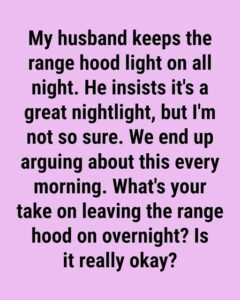
But a surprisingly common question many homeowners ask is this: Is it okay to leave range hood lights on overnight?
At first glance, it may seem like a small decision. After all, these lights are typically low-powered and convenient. However, when you look a little closer, the choice involves considerations around safety, energy use, bulb lifespan, and even sleep quality.
This guide takes a balanced, practical look at the pros and cons, helping you decide what makes the most sense for your home and lifestyle.
Understanding Range Hood Lighting
Before diving into the pros and cons, it helps to understand how range hood lights are designed.
Most modern range hoods use LED bulbs, which are known for being energy-efficient, long-lasting, and relatively cool compared to older incandescent bulbs. These lights are typically intended for short-term use—primarily while cooking or preparing food—rather than continuous overnight operation.
That said, leaving them on overnight isn’t inherently dangerous in most cases. The real question is whether it’s beneficial or necessary.
The Benefits of Leaving Range Hood Lights On Overnight
1. Improved Nighttime Visibility
One of the most immediate advantages is increased visibility in the kitchen during nighttime hours.
If you’ve ever walked into a dark kitchen late at night, you know how disorienting it can be. Whether you’re grabbing a glass of water, checking on something, or simply passing through, having a soft light already on can reduce the risk of accidents.
This can be especially helpful for:
- Households with children or older adults
- Homes with pets moving around at night
- Kitchens with uneven flooring or obstacles
A dim, steady light can act as a guide, helping you navigate safely without needing to switch on bright overhead lighting.
2. Added Sense of Security
Lighting plays a role in home security, even in subtle ways.
A softly lit kitchen can give the impression that someone is awake or active in the home. While it’s not a replacement for a security system, this small detail may discourage opportunistic intrusions.
For homeowners who prefer a “lived-in” look overnight, leaving a low-level light on—such as a range hood light—can contribute to that sense of occupancy.
3. Everyday Convenience
Convenience is often underestimated, but it matters in daily life.
Leaving the light on means:
- No fumbling for switches in the dark
- No sudden exposure to harsh overhead lighting
- Easier access for quick nighttime tasks
For some people, especially those who wake frequently during the night, this small convenience can make a noticeable difference.
The Downsides to Consider
While there are benefits, there are also practical drawbacks that shouldn’t be overlooked.
1. Energy Consumption Over Time
Even though LED lights are efficient, they still consume electricity.
Leaving a light on for 6–8 hours every night adds up over weeks and months. While the cost per night may be minimal, the cumulative effect can increase your energy bill over time.
For households focused on reducing energy usage or lowering their environmental impact, this may not align with their goals.
2. Reduced Bulb Lifespan
LED bulbs are designed to last a long time—but they are not immune to wear.
Continuous use, especially overnight on a daily basis, can shorten their overall lifespan. This means:
- More frequent replacements
- Additional maintenance costs
- Potential inconvenience if a bulb fails unexpectedly
While the impact may not be dramatic, it is still a factor worth considering.
3. Light Disturbance and Sleep Disruption
Light doesn’t just stay in one place—it spreads.
In open-concept homes, a range hood light can easily spill into:
- Living rooms
- Hallways
- Bedrooms
Even a small amount of light can affect sleep quality for some people, particularly those who are sensitive to brightness or prefer complete darkness.
Over time, this could lead to:
- Disrupted sleep patterns
- Reduced comfort at night
- Increased need for blackout curtains or sleep aids
4. Unnecessary Usage
In many cases, leaving the light on overnight may simply not be necessary.
If the kitchen isn’t frequently used during the night, or if other lighting options are available (like nightlights), keeping the range hood light on may not provide enough benefit to justify its use.
Finding the Right Balance
The decision ultimately comes down to your household’s needs, habits, and priorities.
For some, the added safety and convenience outweigh the minor energy cost. For others, reducing unnecessary electricity use is more important.
The good news is that you don’t have to choose between extremes. There are simple ways to strike a balance.
Practical Tips for Smarter Use
Use Energy-Efficient Lighting
If your range hood still uses older bulbs, consider upgrading to LED options. They:
- Use significantly less electricity
- Last longer
- Produce less heat
This simple change can make overnight use more efficient.
Lower the Brightness
If your range hood supports dimmable lighting, reducing the brightness at night can:
- Minimize energy use
- Reduce light spill into other rooms
- Create a softer, more comfortable ambiance
A dim glow is often enough for navigation without being disruptive.
Install a Timer or Smart Switch
A timer can automatically turn the light off after a set period.
For example:
- Turn on at bedtime
- Turn off after 2–3 hours
This allows you to enjoy the benefits without keeping the light on all night.
Smart home systems can also help by:
- Scheduling lighting
- Controlling brightness remotely
- Turning lights off automatically when not needed
Consider Alternative Lighting Options
In many cases, a dedicated nightlight may be a better solution.
Nightlights are:
- Designed for continuous use
- Extremely low energy
- Positioned at safer eye levels
Placing one in the kitchen or nearby hallway can provide the same benefits with less impact.
Evaluate Your Home Layout
Every home is different.
Ask yourself:
- Is the kitchen close to sleeping areas?
- Does the light affect anyone’s rest?
- Is nighttime kitchen use frequent or rare?
Understanding how your space functions will help you make a more informed decision.
Safety Considerations
From a safety standpoint, leaving range hood lights on is generally acceptable—as long as the appliance is in good condition.
Make sure:
- Wiring is properly maintained
- Bulbs are correctly installed
- The fixture is clean and free of grease buildup
Regular maintenance reduces the risk of electrical issues and ensures safe operation.
A Practical Perspective
It’s easy to overthink small household decisions, but this is one where moderation works best.
Leaving your range hood lights on overnight isn’t inherently harmful. However, it’s not always necessary either. The key is understanding why you’re doing it and whether it truly benefits your routine.
For example:
- If you frequently use the kitchen at night, it may be helpful
- If it improves safety for your household, it may be worthwhile
- If it’s simply habit, there may be more efficient alternatives
Final Thoughts
At the end of the day, the choice to leave your range hood lights on overnight comes down to personal preference and practical needs.
There’s no single “right” answer—only what works best for your home.
By weighing the benefits of safety and convenience against the costs of energy use and potential disruption, you can make a decision that fits your lifestyle.
If you choose to keep the lights on, small adjustments—like using LED bulbs, dimming the brightness, or setting a timer—can make a meaningful difference.
And if you decide it’s not necessary, simple alternatives like nightlights can provide the same comfort with even greater efficiency.
A well-lit home should support both your safety and your rest—and with a little thought, it can do both seamlessly.