Introduction
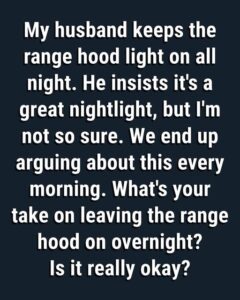
Range hoods have long been a staple in modern kitchens, offering an essential function of ventilating cooking odors, smoke, and grease. A feature many homeowners don’t always consider, however, is the built-in lights that come with most range hoods. These lights serve as a convenient way to illuminate the stovetop, helping with meal preparation. But an important question often arises: is it safe or wise to leave the range hood lights on overnight?
Many people may be curious about the implications of leaving the lights on during the night. Could it be a waste of electricity? Does it harm the longevity of the bulbs? Are there any benefits that make it worthwhile? In this article, we’ll explore the advantages and disadvantages of this practice, looking into safety, energy efficiency, and other factors to determine if it’s fine to leave your range hood lights on overnight.
The Pros of Leaving Range Hood Lights On Overnight
1. Enhanced Kitchen Safety
One of the main benefits of leaving your range hood lights on overnight is the safety it provides, particularly during late-night or early-morning hours. In households where individuals may have to wander to the kitchen in the middle of the night for a glass of water or a snack, having adequate lighting can prevent accidents. A well-lit kitchen makes it easier to navigate, preventing you from bumping into counters, chairs, or other obstacles. In the absence of a light, it’s easy to misstep, trip, or spill something, leading to potential injuries or damage.
Especially for those with limited mobility or individuals who have difficulty seeing in the dark, having the lights on can be a simple yet effective way to improve safety in the kitchen. Moreover, it eliminates the need to turn on multiple other lights, which may be unnecessary for just a quick visit to the kitchen.
2. Security Benefits
Another advantage of keeping the range hood lights on overnight is that it can serve as a security measure. A softly illuminated kitchen can create the impression that someone is at home. Burglars are less likely to target a house if it appears to be occupied, as they typically prefer to target empty homes. This small lighting feature can make a difference in deterring potential break-ins.
Unlike other security measures, such as motion sensor lights or alarm systems, leaving the range hood lights on is low-cost and doesn’t require any additional equipment. While it won’t necessarily prevent a determined intruder, it does add an extra layer of protection, which may provide peace of mind, especially in areas with higher crime rates.
3. Convenience
For many people, the convenience of having the range hood lights on at night is a key factor. For those who may need to check on something in the kitchen during the night—whether it’s a simmering pot or just a snack—the lights save time and effort. Instead of having to turn on the main kitchen lights or fiddle with additional switches, the range hood lights are already on and ready to provide illumination.
This convenience becomes especially useful when you’re moving through the kitchen at odd hours, and the last thing you want to do is wait for the overhead lights to brighten up the room. Having the range hood lights already on means no fumbling with switches and no sudden bursts of harsh light when you’re trying to keep things low-key.

The Cons of Leaving Range Hood Lights On Overnight
While there are certainly benefits to leaving the range hood lights on overnight, there are also several drawbacks to consider. These range from energy consumption to the potential wear and tear on the bulbs. Let’s dive into the cons of this practice.
1. Energy Consumption
The most significant disadvantage of leaving range hood lights on overnight is the energy consumption. While many modern range hoods come equipped with LED bulbs, which are more energy-efficient than traditional incandescent or fluorescent bulbs, they still consume electricity. The amount of power used may not seem like much in isolation, but over time, it can add up. If you leave your range hood lights on every night, you could be inadvertently raising your energy bills.
For people who are trying to reduce their carbon footprint or simply lower their household expenses, leaving lights on overnight may not be the most energy-efficient choice. Even with energy-efficient LEDs, a small light left on overnight every night could lead to unnecessary electricity usage.
In addition, if you leave the range hood lights on without a clear need, you might be spending money on power that you’re not using for any practical purpose. This is something worth considering, especially in a household with multiple lights or appliances that could potentially be left on unnecessarily.
2. Shortened Bulb Lifespan
Another issue with keeping your range hood lights on overnight is the potential for a shortened bulb lifespan. While LED lights are known for their long lifespan and energy efficiency, no bulb lasts forever. Continuous use, particularly over extended periods, can reduce the overall lifespan of the bulb. Even with LEDs, long durations of constant use can contribute to gradual degradation. This means that you may have to replace the bulbs in your range hood more frequently than if you simply turned them off when not in use.
For some households, this might not seem like a significant concern, but the cost of bulb replacement over time can accumulate. Additionally, frequently replacing bulbs can be inconvenient, especially if your range hood light setup is hard to access or requires special tools to replace the bulb.
3. Light Pollution
Light pollution is another factor to consider when leaving your range hood lights on overnight. In many homes, the kitchen is often close to the living room, hallway, or even bedrooms. If your kitchen is open-concept or lacks physical barriers to other rooms, the light from the range hood can spill into nearby areas. This spillover light can be disruptive to others in the household, especially if you have family members who are light-sensitive or who rely on dark surroundings to sleep well.
For those living in smaller homes or apartments with an open floor plan, the range hood lights may affect the ambient light levels in adjacent rooms, potentially making it more difficult to sleep. In the worst-case scenario, this could cause disturbances for other members of the household, leading to discomfort or irritation.
Finding a Balance: How to Make the Most of Range Hood Lights
Ultimately, whether it’s fine to leave the range hood lights on overnight depends on the preferences and needs of the individual household. It’s a balance between the benefits of safety, security, and convenience, and the drawbacks of energy consumption, bulb longevity, and light pollution. However, there are ways to reduce the negative impacts and make the practice more acceptable. Below are some ways you can enjoy the benefits of range hood lights while minimizing the downsides.
1. Use Energy-Efficient LED Bulbs
One of the best ways to reduce the energy consumption of your range hood lights is to ensure that you’re using energy-efficient LED bulbs. LED lights consume significantly less power than traditional incandescent or fluorescent lights, and they last much longer. Although leaving them on overnight may still increase energy usage, the impact will be far less than with older bulb types.
LED bulbs are a more sustainable choice for those who want to minimize their carbon footprint. Many modern range hoods come with LED bulbs as standard, but if yours doesn’t, consider replacing the bulbs with energy-efficient LED options.
2. Install Dimmer Switches
If your range hood lights are dimmable, this can be an excellent way to save energy while still keeping the lights on. By lowering the intensity of the lights, you can reduce their power consumption while still providing a soft level of illumination. This can also help minimize light pollution, as dimmer lights will spill less into the surrounding areas of your home.
Dimmer switches are easy to install and offer an extra layer of flexibility. They allow you to tailor the lighting to your needs, whether you prefer a soft glow for nighttime safety or a brighter setting for cooking.
3. Use a Timer
If you’re concerned about leaving the lights on all night, consider installing a timer switch. A timer can be set to turn off the lights after a certain amount of time, ensuring that they don’t remain on unnecessarily throughout the night. For example, you might set the timer for two or three hours, long enough to provide adequate light if you need to visit the kitchen but not so long that it wastes energy.
A timer switch is a simple and affordable way to control your range hood lights, making it possible to enjoy the benefits of overnight lighting without worrying about excessive energy usage.
4. Evaluate Your Security Needs
If security is a priority for you, leaving the range hood lights on overnight may be worth the extra energy cost. The soft glow from the kitchen can help deter burglars and create a sense of occupancy in your home. If you live in a neighborhood with higher crime rates, this small act may provide peace of mind.
However, if your area is relatively safe, you might want to reassess whether the range hood lights are providing any meaningful security benefit. In some cases, the peace of mind that comes from having the lights on may not justify the associated costs.
Conclusion: Striking the Right Balance
In conclusion, whether it’s fine to turn on the range hood lights overnight depends largely on your specific needs and preferences. There are clear advantages to leaving the lights on, including enhanced safety, security, and convenience. However, the drawbacks—such as increased energy consumption, reduced bulb lifespan, and potential light pollution—are also important to consider.
By choosing energy-efficient LED bulbs, installing dimmer switches, and possibly using a timer, you can mitigate many of the negative effects while still benefiting from the lights’ presence. Balancing the pros and cons and making informed decisions based on your household’s unique needs will help you determine the best approach.
In the end, the choice to leave the range hood lights on overnight is a personal one, shaped by factors like safety, convenience, and energy efficiency. By weighing these factors carefully, you can ensure that