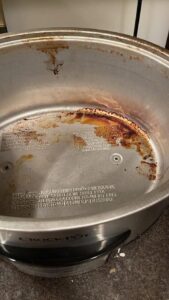
Keeping your kitchen tools clean isn’t just about appearance—it also helps your cookware last longer and perform better. If you regularly use baking sheets, casserole dishes, or roasting pans, you’ve probably noticed how quickly grease, burnt residue, and stubborn stains can build up. Even with frequent washing, these marks can linger and make your bakeware look worn out.
The good news? You don’t need harsh chemicals or expensive cleaners to restore your pans. With a few simple, household ingredients and the right techniques, you can safely remove stains and bring your bakeware back to life.
In this guide, you’ll learn effective, safe, and easy methods for cleaning stained baking pans and sheets, using ingredients you likely already have at home.
Why Baking Pans Get Stained Over Time
Before diving into the cleaning methods, it helps to understand why stains happen in the first place.
Over time, oils, sugars, and food particles are exposed to high heat. This causes them to break down and stick to surfaces, forming stubborn residue. Repeated use without deep cleaning only layers more buildup on top.
Common causes include:
-
Burnt grease and oil
-
Caramelized sugars
-
High oven temperatures
-
Improper cleaning after use
These stains aren’t just cosmetic—they can affect how evenly your food cooks and may even alter flavors.
1. How to Clean Glass and Enamel Bakeware
Glass and enamel dishes are popular because they distribute heat evenly and look great on the table. However, they can easily develop cloudy stains and baked-on residue.
What You’ll Need:
-
Baking soda
-
Liquid dish soap
-
Hot water
-
Scrub brush or sponge
Step-by-Step Method:
-
Sprinkle a generous layer of baking soda across the bottom of the dish.
-
Add a few drops (or a small squeeze) of liquid dish soap.
-
Fill the dish with hot water until the stained areas are covered.
-
Let it soak for about 20 minutes.
-
Use a brush or sponge to scrub gently in circular motions.
-
Rinse thoroughly with warm water.
Why This Works:
Baking soda acts as a gentle abrasive, while dish soap breaks down grease. The hot water helps loosen hardened residue, making it easier to scrub away.
Pro Tip:
For tougher stains, let the mixture sit longer or repeat the process instead of scrubbing aggressively, which can damage the surface.
2. How to Clean Stainless Steel and Cast Iron Pans
Stainless steel and cast iron pans are durable, but they require specific care to avoid damage while removing stains.
What You’ll Need:
-
Baking soda
-
Distilled vinegar
-
Scrub brush
Step-by-Step Method:
-
Sprinkle baking soda evenly over the stained surface.
-
Slowly pour distilled vinegar over the baking soda.
-
Let the mixture fizz and sit for a few minutes.
-
Gently scrub to loosen residue.
-
Rinse well with warm water.
Why This Works:
The reaction between baking soda and vinegar helps break down stubborn buildup. It lifts grime without requiring harsh scrubbing.
Important Notes:
-
For cast iron, avoid soaking too long, as excess moisture can cause rust.
-
Always dry cast iron immediately and apply a light coat of oil after cleaning.
Pro Tip:
Use a soft or medium brush—avoid steel wool unless absolutely necessary, as it can scratch stainless steel surfaces.
3. How to Clean Aluminum Baking Sheets
Aluminum baking sheets are some of the most commonly used kitchen tools—but they’re also the most prone to discoloration and burnt residue.
What You’ll Need:
-
Fresh lemon
-
Coarse salt
-
Warm soapy water
Step-by-Step Method:
-
Cut a lemon into halves or wedges.
-
Dip the cut side into coarse salt.
-
Use the lemon like a scrubber, rubbing in circular motions over the stains.
-
Continue until the grime begins to lift.
-
Wash with warm, soapy water.
-
Rinse and dry thoroughly.
Why This Works:
The acidity of the lemon helps dissolve grease, while the salt provides gentle abrasion to scrub away residue.
Pro Tip:
This method is especially effective for removing discoloration without damaging aluminum surfaces.
Additional Tips for Preventing Stains
Cleaning is easier when you prevent buildup in the first place. Here are a few simple habits that make a big difference:
1. Line Your Pans
Use parchment paper or silicone baking mats to reduce direct contact with grease and food.
2. Clean Immediately After Use
Letting residue sit makes it harder to remove later. Try to rinse or soak pans soon after cooking.
3. Avoid High Heat When Possible
Excessive heat can burn oils onto surfaces, creating tougher stains.
4. Use Gentle Tools
Avoid abrasive scrubbers that can scratch surfaces and make future staining worse.
Common Mistakes to Avoid
Even with good intentions, some cleaning habits can actually damage your bakeware.
-
Using harsh chemicals: These can leave residues and damage surfaces.
-
Scrubbing too aggressively: This may scratch or wear down coatings.
-
Soaking cast iron: Leads to rust and deterioration.
-
Ignoring stains too long: The longer they sit, the harder they are to remove.
Natural Cleaning vs. Store-Bought Cleaners
Many people wonder whether natural cleaning methods are as effective as commercial products.
Benefits of Natural Methods:
-
Safer for food surfaces
-
More affordable
-
Eco-friendly
-
Gentle on cookware
When to Use Store-Bought Cleaners:
-
Extremely burnt or neglected pans
-
Heavy industrial grease buildup
For most everyday situations, natural solutions like baking soda, vinegar, and lemon are more than enough.
When to Replace Your Bakeware
Even with the best care, some pans eventually reach the end of their lifespan.
Consider replacing your bakeware if:
-
The surface is deeply scratched or warped
-
Food sticks constantly despite cleaning
-
Rust is present (especially in cast iron that can’t be restored)
Final Thoughts
Cleaning stained baking pans and sheets doesn’t have to be frustrating or time-consuming. With simple ingredients like baking soda, vinegar, and lemon, you can tackle even stubborn stains safely and effectively.
The key is consistency—regular maintenance prevents buildup and keeps your bakeware looking and performing like new. Whether you’re working with glass dishes, stainless steel pans, or aluminum sheets, these methods provide reliable, easy solutions for every kitchen.
By following these tips, you’ll not only extend the life of your cookware but also improve your overall cooking experience. Clean pans mean better results—and a kitchen you can feel proud of.