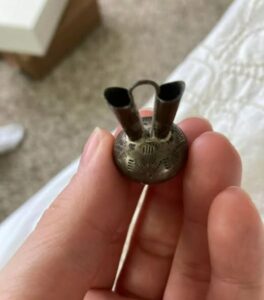
A Deep Look at the Meaning Behind the Native American Wedding Vase
Across generations, many Indigenous communities have preserved powerful traditions through objects that carry deep cultural meaning. These ceremonial items are more than decorative—they serve as living symbols of identity, connection, and shared values. Among them, one artifact stands out for its beauty and symbolism: the Native American wedding vase.
If you’ve ever attended a traditional ceremony where this vase was used, you may remember the quiet, meaningful moment when a couple shared a drink from it. That simple act carries generations of history, intention, and cultural significance.
In this article, we’ll explore the origins, symbolism, and lasting importance of the Native American wedding vase—revealing how this unique item continues to represent unity, respect, and lifelong commitment.
The Cultural Significance of Indigenous Ceremonial Artifacts
Indigenous ceremonial items are not created casually. Each piece reflects the beliefs, traditions, and spiritual practices of a community. These objects often play a role in important life events such as births, coming-of-age ceremonies, and marriages.
Artifacts like the wedding vase are deeply rooted in storytelling. They connect individuals to their ancestors and reinforce shared values within the community. When used in ceremonies, they create moments of reflection, reminding participants of their place within a larger cultural narrative.
The wedding vase, in particular, represents one of the most meaningful transitions in life: the union of two individuals into a shared journey.

What Is a Native American Wedding Vase?
The Native American wedding vase is a handcrafted vessel traditionally used during marriage ceremonies. Its most recognizable feature is its unique structure—two spouts connected by a single body.
At first glance, it may look like a decorative pottery piece. But its design holds powerful symbolic meaning. The two spouts represent two individuals, each with their own path, coming together as one.
This design transforms the vase into more than a container—it becomes a visual representation of unity and partnership.
The Spiritual Process of Crafting the Vase
Creating a wedding vase is not just an artistic task—it is often considered a spiritual process.
Sourcing the Clay
The journey begins with gathering clay, which may come from land that holds cultural or spiritual importance. This connection to the earth is significant, as many Indigenous traditions view the land as a source of life and wisdom.
Preparing and Shaping
The clay is carefully cleaned and prepared before being shaped. Artisans often use traditional techniques, relying on their hands and simple tools rather than modern machinery.
Each movement is intentional. The process reflects patience, respect, and a deep understanding of the material.
Forming the Two-Spout Design
The most distinctive part of the vase is its dual spouts. These are carefully shaped to ensure balance and functionality. While practical, their primary purpose is symbolic—they represent two lives joining together.
Symbolism in Design and Decoration
Every detail added to a wedding vase carries meaning.
Nature-Inspired Elements
Many designs feature symbols drawn from nature, such as:
-
Earth
-
Sky
-
Water
These elements often represent life, growth, and balance.
Animal Motifs
Animals may also appear in the design. Each animal can symbolize different qualities, such as:
-
Strength
-
Wisdom
-
Protection
Patterns and Colors
Patterns are not random—they often reflect cultural stories or spiritual beliefs. Colors may also hold specific meanings depending on the tradition.
Together, these elements transform the vase into a meaningful expression of blessings and hopes for the couple’s future.
The Wedding Ceremony: A Moment of Unity
The wedding vase plays a central role during the ceremony itself.
Filling the Vase
The vase is filled with a meaningful liquid. This could be:
-
Water, symbolizing purity and life
-
A traditional herbal mixture, representing health and well-being
The Drinking Ritual
The couple drinks from the vase simultaneously—each using one of the two spouts.
This act is more challenging than it appears. It requires coordination, patience, and cooperation.
Symbolic Meaning
Successfully drinking without spilling is often seen as a positive sign. It represents:
-
Harmony in the relationship
-
The ability to work together
-
Shared responsibility
This moment becomes a powerful reflection of what marriage represents.
More Than a Ritual: Lessons in Partnership
The wedding vase ceremony is not just symbolic—it offers a lesson.
Marriage is not about individuality alone, but about balance and collaboration. The act of drinking together highlights the importance of:
-
Communication
-
Mutual support
-
Shared effort
It reminds both the couple and the community that strong relationships are built on cooperation.
The Role of Community in the Ceremony
Indigenous ceremonies often emphasize the role of the community.
The wedding vase ritual is witnessed by family members, elders, and friends. Their presence reinforces the idea that marriage is not just a private commitment—it is a bond supported by the entire community.
This shared experience strengthens relationships and preserves cultural traditions.
The Vase as a Lifelong Keepsake
After the ceremony, the wedding vase continues to hold meaning.
Display in the Home
Many couples keep the vase in their home as a reminder of their vows and the promises made during the ceremony.
A Symbol of Support
It also represents the encouragement and blessings given by the community.
Seeing the vase regularly can serve as a gentle reminder of the values that sustain a relationship.
Passing Down Through Generations
In some traditions, the wedding vase becomes a family heirloom.
A Connection to the Past
When passed down, it carries the stories of previous generations. Each new couple adds their own chapter to its history.
Strengthening Cultural Identity
This practice helps preserve cultural identity and ensures that traditions continue.
It also allows younger generations to feel connected to their heritage in a meaningful way.
The Evolution of Tradition in Modern Times
While traditions evolve, many communities continue to honor the wedding vase ceremony.
Blending Old and New
Modern couples may incorporate contemporary elements into their weddings while still including traditional practices.
Cultural Preservation
The continued use of the wedding vase highlights the importance of preserving cultural heritage in a changing world.
Why These Traditions Still Matter Today
In today’s fast-paced world, traditions like the wedding vase ceremony offer something valuable: a sense of connection.
They remind us of:
-
The importance of community
-
The value of shared experiences
-
The strength found in cultural roots
These traditions provide meaning that goes beyond the ceremony itself.
Lessons We Can Learn from the Wedding Vase
Even outside its cultural context, the symbolism of the wedding vase offers universal lessons.
Unity
Relationships thrive when individuals come together with shared purpose.
Balance
Maintaining harmony requires effort and understanding.
Commitment
True partnership involves ongoing dedication and support.
Respecting Cultural Traditions
It’s important to approach cultural artifacts with respect and understanding.
The wedding vase is not just a decorative item—it holds deep meaning for the communities that created it.
Learning about these traditions helps foster appreciation and cultural awareness.
The Enduring Power of Symbolism
The Native American wedding vase demonstrates how objects can carry powerful messages.
Through its design and use, it communicates ideas about:
-
Love
-
Partnership
-
Community
These messages remain relevant across generations.
Final Thoughts
The Native American wedding vase is a beautiful example of how tradition, art, and meaning come together.
From its careful creation to its role in ceremonies, every aspect of the vase reflects values that are essential to strong relationships and thriving communities.
Its continued use today shows that even in a modern world, there is still space for meaningful traditions that connect us to something greater than ourselves.
By understanding and appreciating these ceremonial items, we not only learn about different cultures—we also gain insight into the universal human experience of connection, commitment, and shared purpose.