Many wellness trends go viral online, promising miraculous results overnight. One recent trend that caught attention was the idea of taking a shot of extra virgin olive oil (EVOO) every day. People claimed it could give glowing skin, boundless energy, better digestion, sharper focus, and even weight loss in just a few days.
Lauren Manaker, a registered dietitian and nutrition expert, decided to explore this trend herself. Rather than blindly following it, she approached the experiment with curiosity, scientific knowledge, and careful observation. She wanted to see what, if any, benefits truly occurred.
She committed to taking one shot of high-quality EVOO every day for a week, documenting her experiences, observations, and reflections throughout the process.

On the first day, Lauren poured the olive oil into a small glass. The golden liquid looked rich and inviting. She paused for a moment, aware that drinking olive oil straight might be a challenge.
The first taste was heavier than expected. The earthy flavor was strong and intense. Drinking it alone felt unusual, and she realized that this might not be the easiest way to include it in her routine.
Instead of giving up, Lauren adapted. She experimented by adding the olive oil to her coffee, drizzling it over vegetables, or mixing it with warm popcorn. Gradually, it became a mindful addition to her meals rather than a separate challenge.
By the third day, Lauren noticed that the process felt more natural. She was not forcing herself but incorporating olive oil as part of her normal diet. This approach reflected a key principle of lasting wellness: consistency and adaptability over extreme measures.
At the end of the week, Lauren reflected on her experience. She did not experience any dramatic changes. She did not suddenly feel energetic, her skin did not glow, and her hair did not transform overnight.
Yet, Lauren did not consider the experiment a failure. She understood that many of the benefits of olive oil are subtle, gradual, and internal, rather than immediate and visible.
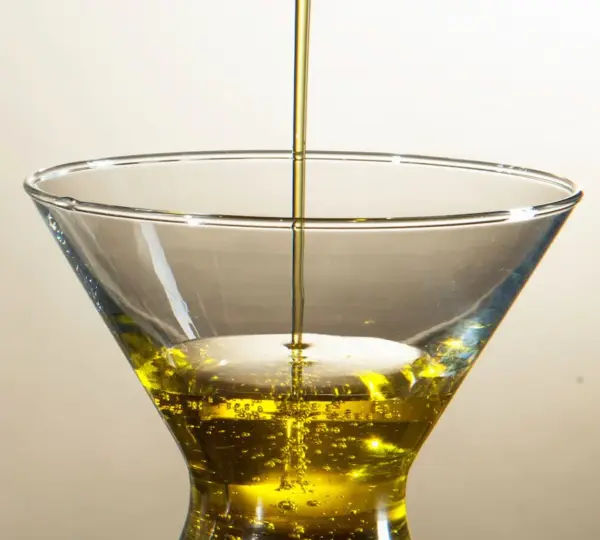
Olive oil contains compounds like monounsaturated fats, polyphenols, and oleocanthal, which have anti-inflammatory and antioxidant effects. These compounds support cardiovascular health, reduce inflammation, protect cells, and may help maintain cognitive function.
Most importantly, these benefits happen quietly. You do not feel your arteries clearing or your brain cells repairing. The body works steadily and silently, rewarding consistent care rather than instant fixes.
Lauren realized that the value of a health habit cannot always be measured in immediate sensations. True wellness is often about long-term effects that support the body you will live in for years.
The myth of overnight transformation is pervasive in wellness culture. Social media emphasizes quick results: seven-day detoxes, one-week transformations, or “miracle” shots. However, the body is more like a garden than clay; it responds to consistent, gentle care.
Lauren’s experiment highlighted the importance of patience. Short-term expectations often lead to disappointment, while consistent habits—like including olive oil in your meals—offer meaningful long-term benefits.
Even after the week ended, Lauren continued to use olive oil in her diet. She no longer focused on immediate outcomes but appreciated the small, cumulative effects over time.
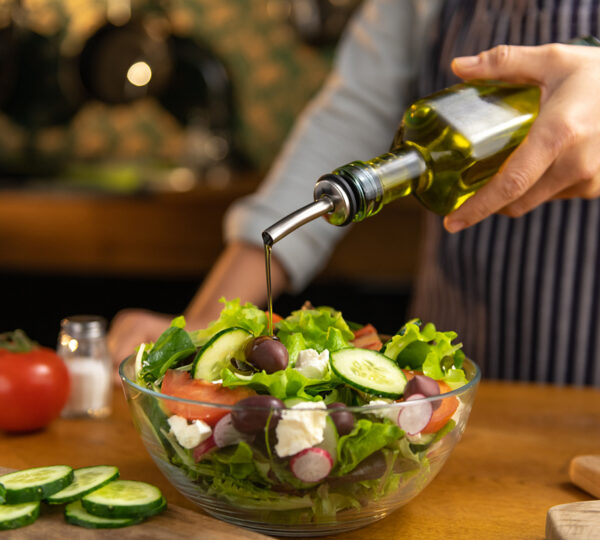
Chef pouring salad oil
Many people wonder if it is necessary to drink olive oil as a shot. Lauren advises that it is not required. Adding it to meals, drizzling it over salads, or cooking with it provides the same health benefits and is more enjoyable.
Another common question is whether people will feel immediate results. The answer is usually no, and that is normal. Olive oil’s benefits are gradual and often internal, supporting long-term wellness rather than providing quick thrills.
Olive oil is recognized by nutrition experts and organizations like the American Heart Association for its role in heart health, anti-inflammatory properties, and antioxidant content.
It may also help with weight management when it replaces less healthy fats, though it is calorie-dense and should be used mindfully. Not all olive oils are equal; extra virgin olive oil contains the highest levels of beneficial compounds.
The one-week experiment reinforced a key lesson: health is about steady care, not dramatic overnight results. Including olive oil consistently is an investment in your future self.
Choosing a simple habit like adding olive oil to meals shows a commitment to well-being that may pay off in reduced risk of heart disease, lower inflammation, and better overall health in the years ahead.
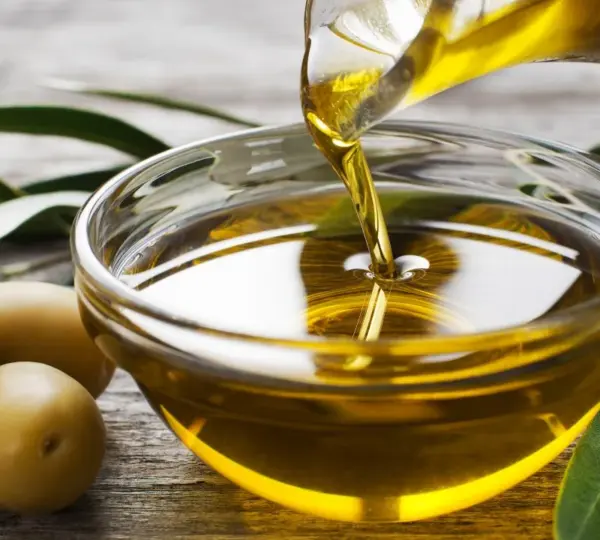
Lauren’s reflections remind us that wellness trends can be inspiring, but critical thinking is essential. It’s not about following the hype blindly—it’s about understanding the science and applying it in realistic ways.
Small, consistent actions matter more than sudden, extreme experiments. Drinking olive oil as a shot is just one method; the key is regular inclusion in a balanced diet.
Ultimately, taking olive oil is a metaphor for investing in yourself: nourishing your body, prioritizing long-term health, and practicing patience and consistency.
Lauren’s experiment may not have changed her week dramatically, but it reinforced an enduring truth: habits built with care have lasting benefits, even if they are invisible at first.
Including olive oil in your daily life is not about instant miracles; it is about fostering wellness from the inside out, supporting the heart, brain, and body in a steady, sustainable way.
This simple practice encourages mindfulness, reflection, and a gentle approach to health—principles that extend far beyond any one week or viral trend.
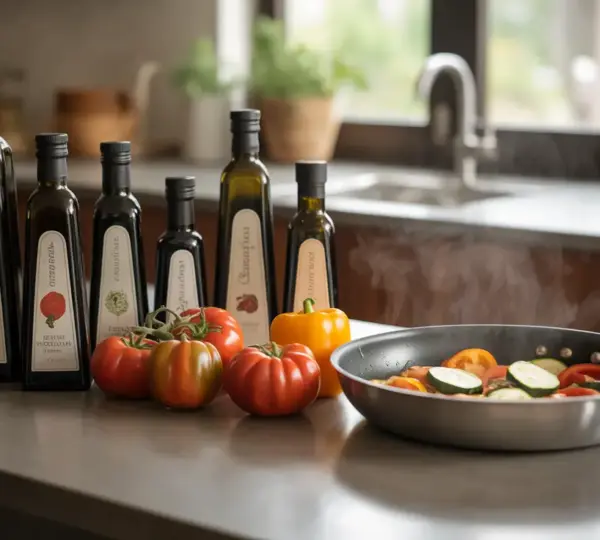
Olive oil is more than just a cooking ingredient; it is a small, daily step toward a healthier, more resilient future.
In conclusion, Lauren’s one-week olive oil experiment highlights the difference between quick-fix wellness trends and evidence-based, long-term health practices. Small, consistent habits like this are often the most meaningful investment in yourself.
Many wellness trends go viral online, promising miraculous results overnight. One recent trend that caught attention was the idea of taking a shot of extra virgin olive oil (EVOO) every day. People claimed it could give glowing skin, boundless energy, better digestion, sharper focus, and even weight loss in just a few days.
Lauren Manaker, a registered dietitian and nutrition expert, decided to explore this trend herself. Rather than blindly following it, she approached the experiment with curiosity, scientific knowledge, and careful observation. She wanted to see what, if any, benefits truly occurred.
She committed to taking one shot of high-quality EVOO every day for a week, documenting her experiences, observations, and reflections throughout the process.
On the first day, Lauren poured the olive oil into a small glass. The golden liquid looked rich and inviting. She paused for a moment, aware that drinking olive oil straight might be a challenge.
The first taste was heavier than expected. The earthy flavor was strong and intense. Drinking it alone felt unusual, and she realized that this might not be the easiest way to include it in her routine.
Instead of giving up, Lauren adapted. She experimented by adding the olive oil to her coffee, drizzling it over vegetables, or mixing it with warm popcorn. Gradually, it became a mindful addition to her meals rather than a separate challenge.
By the third day, Lauren noticed that the process felt more natural. She was not forcing herself but incorporating olive oil as part of her normal diet. This approach reflected a key principle of lasting wellness: consistency and adaptability over extreme measures.
At the end of the week, Lauren reflected on her experience. She did not experience any dramatic changes. She did not suddenly feel energetic, her skin did not glow, and her hair did not transform overnight.
Yet, Lauren did not consider the experiment a failure. She understood that many of the benefits of olive oil are subtle, gradual, and internal, rather than immediate and visible.
Olive oil contains compounds like monounsaturated fats, polyphenols, and oleocanthal, which have anti-inflammatory and antioxidant effects. These compounds support cardiovascular health, reduce inflammation, protect cells, and may help maintain cognitive function.
Most importantly, these benefits happen quietly. You do not feel your arteries clearing or your brain cells repairing. The body works steadily and silently, rewarding consistent care rather than instant fixes.
Lauren realized that the value of a health habit cannot always be measured in immediate sensations. True wellness is often about long-term effects that support the body you will live in for years.
The myth of overnight transformation is pervasive in wellness culture. Social media emphasizes quick results: seven-day detoxes, one-week transformations, or “miracle” shots. However, the body is more like a garden than clay; it responds to consistent, gentle care.
Lauren’s experiment highlighted the importance of patience. Short-term expectations often lead to disappointment, while consistent habits—like including olive oil in your meals—offer meaningful long-term benefits.
Even after the week ended, Lauren continued to use olive oil in her diet. She no longer focused on immediate outcomes but appreciated the small, cumulative effects over time.
Chef pouring salad oil
Many people wonder if it is necessary to drink olive oil as a shot. Lauren advises that it is not required. Adding it to meals, drizzling it over salads, or cooking with it provides the same health benefits and is more enjoyable.
Another common question is whether people will feel immediate results. The answer is usually no, and that is normal. Olive oil’s benefits are gradual and often internal, supporting long-term wellness rather than providing quick thrills.
Olive oil is recognized by nutrition experts and organizations like the American Heart Association for its role in heart health, anti-inflammatory properties, and antioxidant content.
It may also help with weight management when it replaces less healthy fats, though it is calorie-dense and should be used mindfully. Not all olive oils are equal; extra virgin olive oil contains the highest levels of beneficial compounds.
The one-week experiment reinforced a key lesson: health is about steady care, not dramatic overnight results. Including olive oil consistently is an investment in your future self.
Choosing a simple habit like adding olive oil to meals shows a commitment to well-being that may pay off in reduced risk of heart disease, lower inflammation, and better overall health in the years ahead.
Lauren’s reflections remind us that wellness trends can be inspiring, but critical thinking is essential. It’s not about following the hype blindly—it’s about understanding the science and applying it in realistic ways.
Small, consistent actions matter more than sudden, extreme experiments. Drinking olive oil as a shot is just one method; the key is regular inclusion in a balanced diet.
Ultimately, taking olive oil is a metaphor for investing in yourself: nourishing your body, prioritizing long-term health, and practicing patience and consistency.
Lauren’s experiment may not have changed her week dramatically, but it reinforced an enduring truth: habits built with care have lasting benefits, even if they are invisible at first.
Including olive oil in your daily life is not about instant miracles; it is about fostering wellness from the inside out, supporting the heart, brain, and body in a steady, sustainable way.
This simple practice encourages mindfulness, reflection, and a gentle approach to health—principles that extend far beyond any one week or viral trend.
Olive oil is more than just a cooking ingredient; it is a small, daily step toward a healthier, more resilient future.
In conclusion, Lauren’s one-week olive oil experiment highlights the difference between quick-fix wellness trends and evidence-based, long-term health practices. Small, consistent habits like this are often the most meaningful investment in yourself.