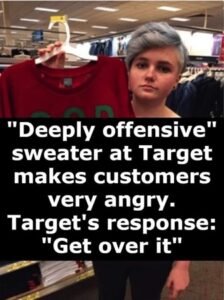
A simple holiday sweater unexpectedly set off a much wider conversation this season — one that touched on cultural sensitivity, mental-health awareness, consumer expectations, and the evolving responsibilities of major retailers in the modern marketplace.
What started as an ordinary shopping trip for one customer quickly developed into a national dialogue about how language used on clothing can shape people’s perceptions in ways retailers may not always anticipate.
The sweater at the center of this discussion featured a bold, festive design with the phrase “OCD Christmas obsessive-compulsive disorder.”
For some shoppers, it appeared to be nothing more than a playful pun — a humorous way to describe someone who loves organizing holiday decorations or planning Christmas celebrations in meticulous detail.
But for others, including the shopper who first raised concerns, the message struck a very different chord.
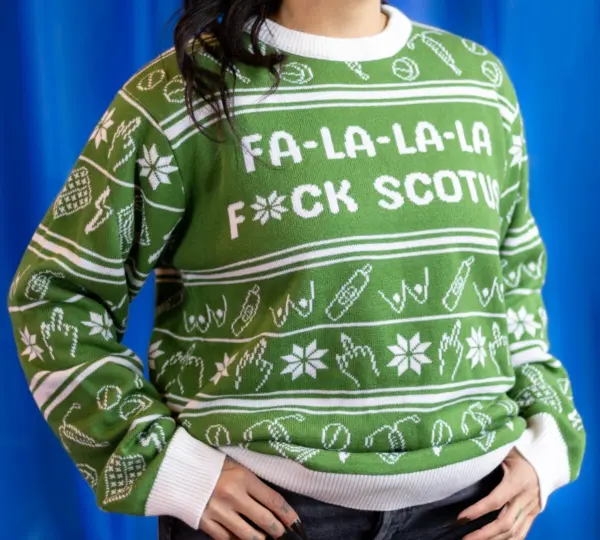
That shopper, Reign Murphy, shared online that while she understood the sweater was designed to be lighthearted, she believed it risked diminishing the seriousness of obsessive-compulsive disorder.
OCD is a real mental-health condition that affects millions of people globally, and many individuals work tirelessly to correct misconceptions about it.
Murphy emphasized that using the disorder as a casual joke or seasonal pun could unintentionally blur the line between a genuine medical diagnosis and everyday preferences for neatness or organization.
Her post resonated quickly and widely. Within hours, thousands of people began sharing their views on social media, and the conversation became much larger than the sweater itself.
For many, it represented a broader question about how mental-health language is used in everyday products — and whether retailers have a responsibility to take extra care with these terms.
Many commenters strongly agreed with Murphy, noting that phrases like “I’m so OCD” are often misused in pop culture.
Individuals with OCD frequently experience intrusive, distressing thoughts and compulsive behaviors that can significantly disrupt their daily lives.
Mental-health advocates pointed out that casual or humorous portrayals can unintentionally contribute to stigma, misunderstandings, and the widespread myth that OCD is simply about being tidy or perfectionistic.
However, not all reactions were aligned. A substantial number of people living with OCD expressed that they were not personally offended by the sweater.
Some said they saw it as a harmless joke, not an attack. Others commented that humor — even humor involving their own diagnosis — could be a coping tool.
Several wrote that they did not believe the design was created with any harmful intent, and that consumers should have the freedom to interpret the message as they wish.
This diversity of opinions demonstrated an important truth: mental-health experiences vary widely, and no single reaction represents everyone.
Recognizing the large amount of public attention, Target spokesperson Jessica Carlson issued a thoughtful response.
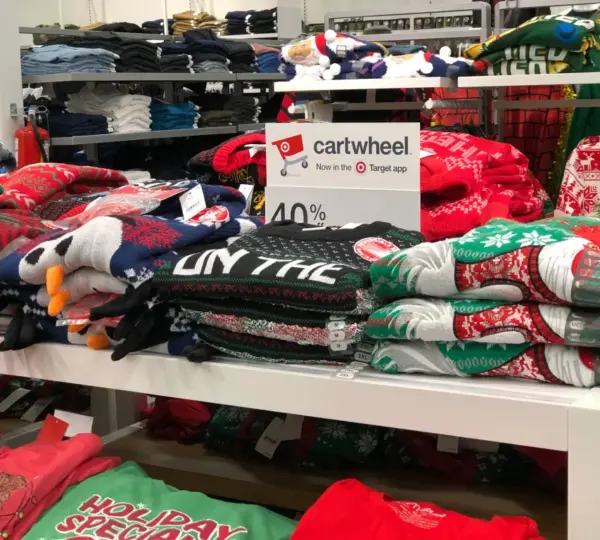
She apologized to shoppers who felt uncomfortable or misrepresented, acknowledging that the company values inclusivity and customer feedback.
At the same time, she explained that Target did not view the sweater as intentionally harmful, and therefore it would remain available in stores.
The company emphasized that it aims to offer a wide range of designs that appeal to different shoppers while also listening closely when concerns arise.
The debate surrounding the sweater reflects a broader cultural trend in retail.
Over the past decade, shoppers have become far more vocal about the messages printed on clothing — whether related to mental health, relationships, identity, family roles, or social labels.
Designs that once seemed humorous or harmless are now often examined through a lens of social awareness and inclusivity.
For example, labels like “Bride,” “Wifey,” “Mrs.,” “Boss Babe,” “Trophy,” and others have stirred varying opinions.
Some customers enjoy them as expressions of personality or humor, while others feel they reinforce stereotypes or outdated expectations.
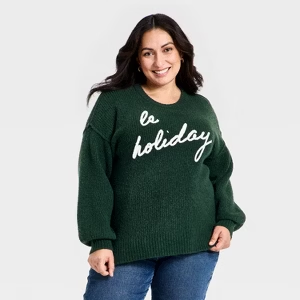
Retailers are increasingly navigating these mixed reactions as they try to balance creativity, freedom of expression, and sensitivity to individual experiences.
Ultimately, this situation highlights how intent and impact are not always the same.
A design that a retailer sees as cheerful and funny may feel dismissive or hurtful to someone else, depending on their background or personal journey with mental health.
It also demonstrates how modern consumers expect retailers to be thoughtful, responsive, and attentive to a wider range of perspectives than ever before.
As the discussion continues, one lesson stands out clearly: words matter. Even on a holiday sweater.
And while shoppers may disagree on what is offensive or acceptable, the willingness to talk openly about these issues helps create a more informed and considerate marketplace.
Whether someone viewed the sweater as a harmless pun or an insensitive choice, the conversation surrounding it encouraged reflection, empathy, and a deeper understanding of how products can affect the diverse communities who shop for them.
It also reminded brands that transparency, listening, and respectful communication are essential as they design and select the items that end up on their shelves.
A simple holiday sweater unexpectedly set off a much wider conversation this season — one that touched on cultural sensitivity, mental-health awareness, consumer expectations, and the evolving responsibilities of major retailers in the modern marketplace.
What started as an ordinary shopping trip for one customer quickly developed into a national dialogue about how language used on clothing can shape people’s perceptions in ways retailers may not always anticipate.
The sweater at the center of this discussion featured a bold, festive design with the phrase “OCD Christmas obsessive-compulsive disorder.”
For some shoppers, it appeared to be nothing more than a playful pun — a humorous way to describe someone who loves organizing holiday decorations or planning Christmas celebrations in meticulous detail.
But for others, including the shopper who first raised concerns, the message struck a very different chord.
That shopper, Reign Murphy, shared online that while she understood the sweater was designed to be lighthearted, she believed it risked diminishing the seriousness of obsessive-compulsive disorder.
OCD is a real mental-health condition that affects millions of people globally, and many individuals work tirelessly to correct misconceptions about it.
Murphy emphasized that using the disorder as a casual joke or seasonal pun could unintentionally blur the line between a genuine medical diagnosis and everyday preferences for neatness or organization.
Her post resonated quickly and widely. Within hours, thousands of people began sharing their views on social media, and the conversation became much larger than the sweater itself.
For many, it represented a broader question about how mental-health language is used in everyday products — and whether retailers have a responsibility to take extra care with these terms.
Many commenters strongly agreed with Murphy, noting that phrases like “I’m so OCD” are often misused in pop culture.
Individuals with OCD frequently experience intrusive, distressing thoughts and compulsive behaviors that can significantly disrupt their daily lives.
Mental-health advocates pointed out that casual or humorous portrayals can unintentionally contribute to stigma, misunderstandings, and the widespread myth that OCD is simply about being tidy or perfectionistic.
However, not all reactions were aligned. A substantial number of people living with OCD expressed that they were not personally offended by the sweater.
Some said they saw it as a harmless joke, not an attack. Others commented that humor — even humor involving their own diagnosis — could be a coping tool.
Several wrote that they did not believe the design was created with any harmful intent, and that consumers should have the freedom to interpret the message as they wish.
This diversity of opinions demonstrated an important truth: mental-health experiences vary widely, and no single reaction represents everyone.
Recognizing the large amount of public attention, Target spokesperson Jessica Carlson issued a thoughtful response.
She apologized to shoppers who felt uncomfortable or misrepresented, acknowledging that the company values inclusivity and customer feedback.
At the same time, she explained that Target did not view the sweater as intentionally harmful, and therefore it would remain available in stores.
The company emphasized that it aims to offer a wide range of designs that appeal to different shoppers while also listening closely when concerns arise.
The debate surrounding the sweater reflects a broader cultural trend in retail.
Over the past decade, shoppers have become far more vocal about the messages printed on clothing — whether related to mental health, relationships, identity, family roles, or social labels.
Designs that once seemed humorous or harmless are now often examined through a lens of social awareness and inclusivity.
For example, labels like “Bride,” “Wifey,” “Mrs.,” “Boss Babe,” “Trophy,” and others have stirred varying opinions.
Some customers enjoy them as expressions of personality or humor, while others feel they reinforce stereotypes or outdated expectations.
Retailers are increasingly navigating these mixed reactions as they try to balance creativity, freedom of expression, and sensitivity to individual experiences.
Ultimately, this situation highlights how intent and impact are not always the same.
A design that a retailer sees as cheerful and funny may feel dismissive or hurtful to someone else, depending on their background or personal journey with mental health.
It also demonstrates how modern consumers expect retailers to be thoughtful, responsive, and attentive to a wider range of perspectives than ever before.
As the discussion continues, one lesson stands out clearly: words matter. Even on a holiday sweater.
And while shoppers may disagree on what is offensive or acceptable, the willingness to talk openly about these issues helps create a more informed and considerate marketplace.
Whether someone viewed the sweater as a harmless pun or an insensitive choice, the conversation surrounding it encouraged reflection, empathy, and a deeper understanding of how products can affect the diverse communities who shop for them.
It also reminded brands that transparency, listening, and respectful communication are essential as they design and select the items that end up on their shelves.