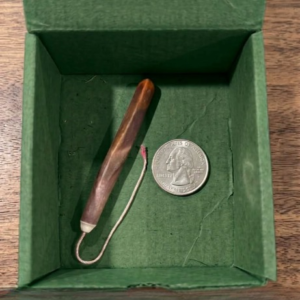
The Allure of the Unknown. Every so often, you might stumble upon a tiny metal object that immediately captures your attention.
It might be smooth and polished, matte and unassuming, or rough-hewn with subtle imperfections left by its manufacturing process.
There are no buttons, no markings, no numbers, no labels—nothing to indicate its purpose.
Sometimes, it is barely an inch long, no wider than a pencil eraser, yet it seems to contain an entire story within its compact form.
Its minimalist design creates an aura of mystery, inviting closer inspection. You pick it up, turn it over, study it from every angle, and still, its purpose remains elusive.
What is it for? Where did it come from? Who designed it, and why?

These small questions, seemingly simple, ignite curiosity in a way few things can.
Such objects are like miniature puzzles hidden in plain sight—seemingly ordinary, yet potentially indispensable.
They exist in a space between the everyday and the extraordinary, where human ingenuity meets the unknown.
In an era dominated by user manuals, QR codes, and instant digital explanations, the absence of context becomes oddly captivating.
It forces us to pause, to wonder, and to acknowledge that not every object is meant to be immediately understood.
These tiny artifacts challenge assumptions about design, utility, and even human perception, offering a fleeting moment of awe in an otherwise ordinary day.
Historically, small metal pieces have often played pivotal roles in technological advancement.
Consider the industrial revolution: countless miniature pins, screws, and gears powered machines that transformed societies.
Today, a tiny, unidentified metal object can evoke a similar sense of wonder—a whisper from the past or a testament to contemporary precision engineering.
The mystery itself is compelling, reminding us that even the smallest objects can contain stories of human creativity and meticulous craftsmanship.
Why Small Metal Pieces Confuse Us
Modern engineering has a remarkable way of hiding complexity behind deceptively simple exteriors.
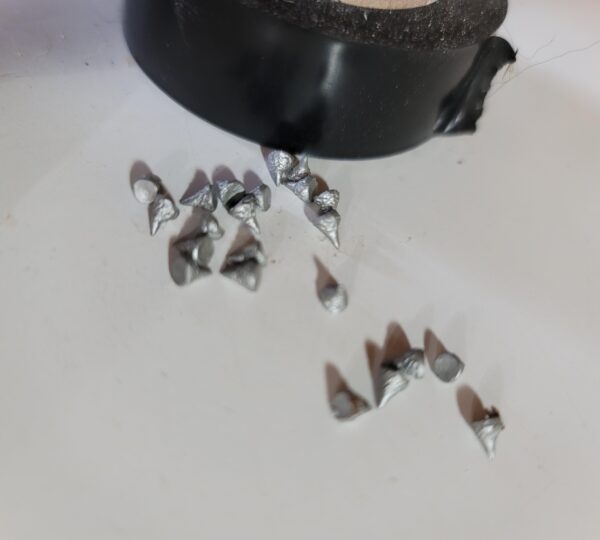
A small, nondescript metal part may appear unremarkable, yet it could serve a critical function in an immensely complex system.
These components are often designed for experts—engineers, technicians, or highly specialized craftsmen—making their purpose nearly impossible to identify without insider knowledge.
For example, a tiny piece of metal could be:
A retaining clip inside a smartphone, holding delicate internal components in place while remaining invisible to the user.
A spring-loaded pin in an automotive engine, essential for keeping pistons, valves, or other moving parts aligned and functioning safely.
A fastener from a high-end camera lens, designed to maintain precise focus even under extreme environmental conditions.
A grounding tab on a circuit board, safely directing electrical currents and preventing catastrophic short circuits.
A miniature bracket in surgical equipment, stabilizing instruments with micron-level precision, critical in life-saving procedures.
A precision screw inside a luxury wristwatch, ensuring that gears, springs, and hands move in perfect synchrony.
A tiny cotter pin or clip in bicycles or motorcycles, preventing cables or mechanical joints from slipping, protecting riders from potentially dangerous failures.
Without prior exposure, determining the purpose of such pieces is almost impossible.
Our brains instinctively try to categorize them: “Is it part of a lock, a bicycle, a vintage camera, or a household appliance?”
The sheer number of possibilities fuels fascination.
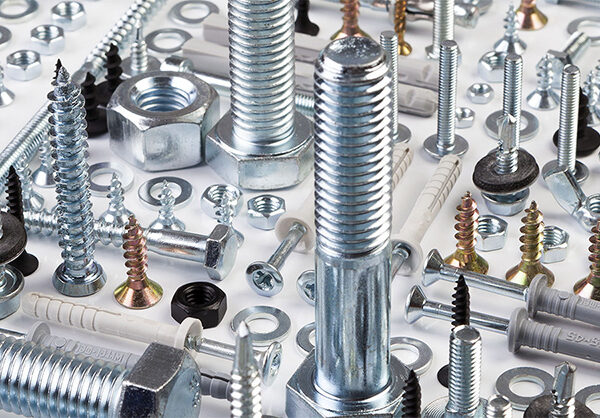
Many hobbyists and enthusiasts have dedicated years to identifying mysterious metal parts, creating detailed archives, online forums, and social media communities where these tiny components are photographed, discussed, and researched.
Each object becomes an invitation to explore history, technology, and the often-overlooked intricacies of human design.
The uncertainty surrounding these pieces also highlights an important cognitive phenomenon: the pleasure of intellectual challenge.
Our minds thrive on problem-solving and pattern recognition.
Encountering a metal object whose purpose we cannot immediately discern engages these faculties, blending curiosity, speculation, and creativity into a singular experience of discovery.
The Hidden Genius in Miniature Parts
Despite their size, tiny metal components often carry monumental importance.
A single pin might secure a device’s structure; a small clip may prevent an electrical short that could destroy expensive circuitry; a minuscule screw in a watch ensures accurate timekeeping.
In bicycles, motorcycles, and even automobiles, tiny tabs, clips, and bolts maintain alignment, prevent structural failures, and ensure the safety of users.
In aerospace and industrial applications, the smallest brackets, fasteners, or retaining pins can be mission-critical, holding together systems under extreme stress, vibration, and environmental conditions.
The design of these miniature parts is rarely incidental. Engineers must consider material strength, mechanical tolerances, thermal expansion, and ergonomic factors, often working with tolerances measured in microns.
Prototyping, stress testing, and iterative refinement ensure that even the smallest metal component performs reliably.
What looks like a simple scrap of metal is often the culmination of advanced engineering, innovation, and precision craftsmanship.
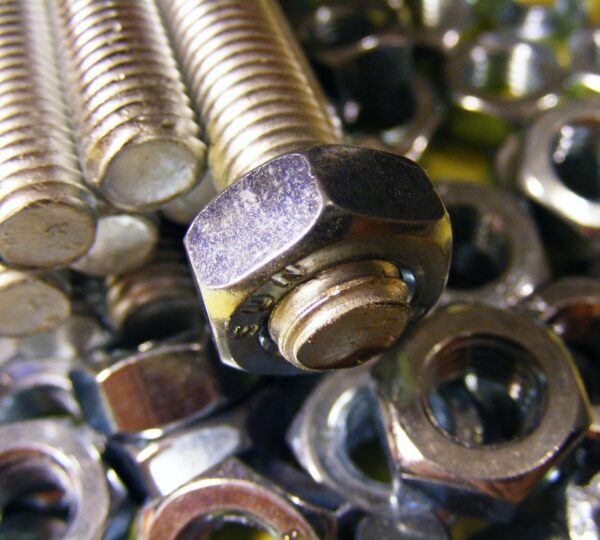
Consider everyday objects:
A laptop hinge—tiny screws and brackets allow the device to open and close thousands of times without failure.
A smartphone SIM tray pin—a small spring-loaded rod that ejects the tray, seemingly simple, yet carefully engineered for perfect function.
A mechanical keyboard stabilizer clip—a microscopic component that prevents keys from wobbling while typing.
Even medical equipment relies on micro-metal components. Surgical robots, endoscopes, and diagnostic machines include screws, pins, and brackets that must meet strict regulatory standards. T
he failure of a single tiny part could compromise patient safety, demonstrating that size does not determine importance.
These miniature pieces are often invisible in our day-to-day lives, yet they quietly exemplify human ingenuity.
They are reminders that engineering brilliance can reside in the smallest details, silently supporting the function of complex systems, sometimes without recognition.
The Joy of Not Knowing
One of the most delightful aspects of these tiny metal objects is the mystery they create.
The lack of immediate answers sparks curiosity, imagination, and dialogue. People speculate: “Is this part of a vintage camera?”
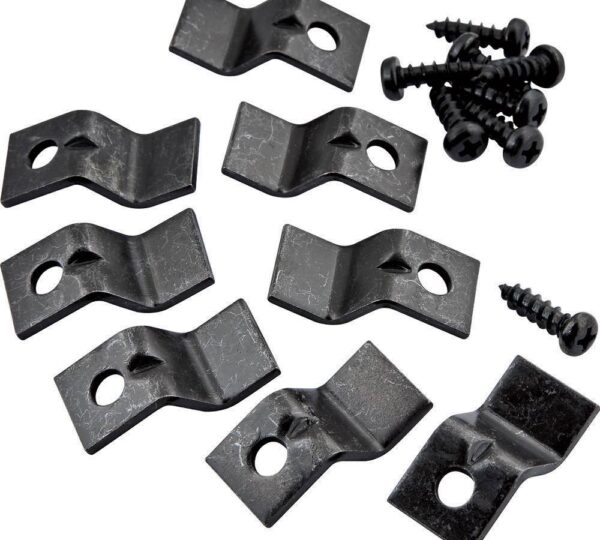
“Maybe it’s a tool for a lock?” “Could it be a miniature fastener from a mechanical device?”
The questions themselves become a form of engagement, inviting us to think creatively, investigate, and sometimes even experiment to discover the truth.
Online communities and forums dedicated to identifying mysterious parts have flourished.
Enthusiasts post photographs, hypothesize functions, and crowdsource solutions.
These collaborative investigations blend engineering, history, and detective work, turning the discovery process into a shared adventure.
Some even create detailed archives, cataloging hundreds of mysterious components from electronics, vehicles, and mechanical systems, each accompanied by explanations, diagrams, and photographs.
The beauty of these objects lies not only in uncovering their function but also in the process of exploration.
The mystery transforms passive observation into active investigation. It encourages patience, careful attention to detail, and a playful engagement with the world.
In a culture dominated by instant answers and digital search engines, encountering a small, unmarked metal piece offers a rare opportunity to slow down, to wonder, and to appreciate that not all knowledge comes immediately.
Ultimately, these miniature metal parts remind us that significance is not always obvious.
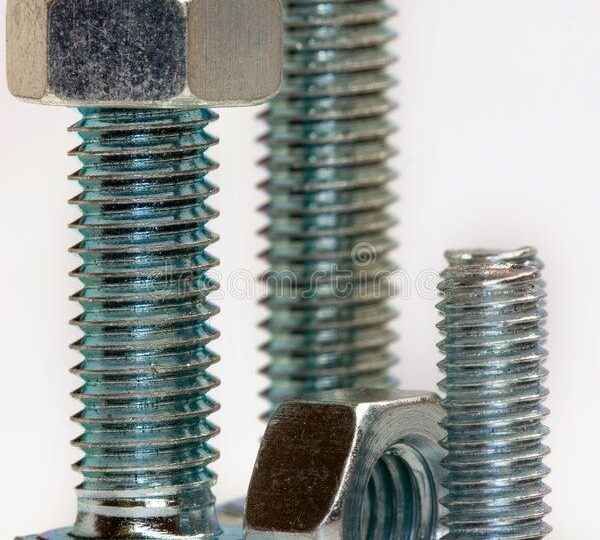
They challenge assumptions, highlight unseen complexity, and inspire curiosity. They reveal that even the smallest details can carry profound importance, whether in technology, engineering, or daily life.
Their quiet presence encourages observation, reflection, and creativity, teaching us that curiosity and imagination are timeless tools for understanding and appreciating the world around us.
The Allure of the Unknown. Every so often, you might stumble upon a tiny metal object that immediately captures your attention.
It might be smooth and polished, matte and unassuming, or rough-hewn with subtle imperfections left by its manufacturing process.
There are no buttons, no markings, no numbers, no labels—nothing to indicate its purpose.
Sometimes, it is barely an inch long, no wider than a pencil eraser, yet it seems to contain an entire story within its compact form.
Its minimalist design creates an aura of mystery, inviting closer inspection. You pick it up, turn it over, study it from every angle, and still, its purpose remains elusive.
What is it for? Where did it come from? Who designed it, and why?
These small questions, seemingly simple, ignite curiosity in a way few things can.
Such objects are like miniature puzzles hidden in plain sight—seemingly ordinary, yet potentially indispensable.
They exist in a space between the everyday and the extraordinary, where human ingenuity meets the unknown.
In an era dominated by user manuals, QR codes, and instant digital explanations, the absence of context becomes oddly captivating.
It forces us to pause, to wonder, and to acknowledge that not every object is meant to be immediately understood.
These tiny artifacts challenge assumptions about design, utility, and even human perception, offering a fleeting moment of awe in an otherwise ordinary day.
Historically, small metal pieces have often played pivotal roles in technological advancement.
Consider the industrial revolution: countless miniature pins, screws, and gears powered machines that transformed societies.
Today, a tiny, unidentified metal object can evoke a similar sense of wonder—a whisper from the past or a testament to contemporary precision engineering.
The mystery itself is compelling, reminding us that even the smallest objects can contain stories of human creativity and meticulous craftsmanship.
Why Small Metal Pieces Confuse Us
Modern engineering has a remarkable way of hiding complexity behind deceptively simple exteriors.
A small, nondescript metal part may appear unremarkable, yet it could serve a critical function in an immensely complex system.
These components are often designed for experts—engineers, technicians, or highly specialized craftsmen—making their purpose nearly impossible to identify without insider knowledge.
For example, a tiny piece of metal could be:
A retaining clip inside a smartphone, holding delicate internal components in place while remaining invisible to the user.
A spring-loaded pin in an automotive engine, essential for keeping pistons, valves, or other moving parts aligned and functioning safely.
A fastener from a high-end camera lens, designed to maintain precise focus even under extreme environmental conditions.
A grounding tab on a circuit board, safely directing electrical currents and preventing catastrophic short circuits.
A miniature bracket in surgical equipment, stabilizing instruments with micron-level precision, critical in life-saving procedures.
A precision screw inside a luxury wristwatch, ensuring that gears, springs, and hands move in perfect synchrony.
A tiny cotter pin or clip in bicycles or motorcycles, preventing cables or mechanical joints from slipping, protecting riders from potentially dangerous failures.
Without prior exposure, determining the purpose of such pieces is almost impossible.
Our brains instinctively try to categorize them: “Is it part of a lock, a bicycle, a vintage camera, or a household appliance?”
The sheer number of possibilities fuels fascination.
Many hobbyists and enthusiasts have dedicated years to identifying mysterious metal parts, creating detailed archives, online forums, and social media communities where these tiny components are photographed, discussed, and researched.
Each object becomes an invitation to explore history, technology, and the often-overlooked intricacies of human design.
The uncertainty surrounding these pieces also highlights an important cognitive phenomenon: the pleasure of intellectual challenge.
Our minds thrive on problem-solving and pattern recognition.
Encountering a metal object whose purpose we cannot immediately discern engages these faculties, blending curiosity, speculation, and creativity into a singular experience of discovery.
The Hidden Genius in Miniature Parts
Despite their size, tiny metal components often carry monumental importance.
A single pin might secure a device’s structure; a small clip may prevent an electrical short that could destroy expensive circuitry; a minuscule screw in a watch ensures accurate timekeeping.
In bicycles, motorcycles, and even automobiles, tiny tabs, clips, and bolts maintain alignment, prevent structural failures, and ensure the safety of users.
In aerospace and industrial applications, the smallest brackets, fasteners, or retaining pins can be mission-critical, holding together systems under extreme stress, vibration, and environmental conditions.
The design of these miniature parts is rarely incidental. Engineers must consider material strength, mechanical tolerances, thermal expansion, and ergonomic factors, often working with tolerances measured in microns.
Prototyping, stress testing, and iterative refinement ensure that even the smallest metal component performs reliably.
What looks like a simple scrap of metal is often the culmination of advanced engineering, innovation, and precision craftsmanship.
Consider everyday objects:
A laptop hinge—tiny screws and brackets allow the device to open and close thousands of times without failure.
A smartphone SIM tray pin—a small spring-loaded rod that ejects the tray, seemingly simple, yet carefully engineered for perfect function.
A mechanical keyboard stabilizer clip—a microscopic component that prevents keys from wobbling while typing.
Even medical equipment relies on micro-metal components. Surgical robots, endoscopes, and diagnostic machines include screws, pins, and brackets that must meet strict regulatory standards. T
he failure of a single tiny part could compromise patient safety, demonstrating that size does not determine importance.
These miniature pieces are often invisible in our day-to-day lives, yet they quietly exemplify human ingenuity.
They are reminders that engineering brilliance can reside in the smallest details, silently supporting the function of complex systems, sometimes without recognition.
The Joy of Not Knowing
One of the most delightful aspects of these tiny metal objects is the mystery they create.
The lack of immediate answers sparks curiosity, imagination, and dialogue. People speculate: “Is this part of a vintage camera?”
“Maybe it’s a tool for a lock?” “Could it be a miniature fastener from a mechanical device?”
The questions themselves become a form of engagement, inviting us to think creatively, investigate, and sometimes even experiment to discover the truth.
Online communities and forums dedicated to identifying mysterious parts have flourished.
Enthusiasts post photographs, hypothesize functions, and crowdsource solutions.
These collaborative investigations blend engineering, history, and detective work, turning the discovery process into a shared adventure.
Some even create detailed archives, cataloging hundreds of mysterious components from electronics, vehicles, and mechanical systems, each accompanied by explanations, diagrams, and photographs.
The beauty of these objects lies not only in uncovering their function but also in the process of exploration.
The mystery transforms passive observation into active investigation. It encourages patience, careful attention to detail, and a playful engagement with the world.
In a culture dominated by instant answers and digital search engines, encountering a small, unmarked metal piece offers a rare opportunity to slow down, to wonder, and to appreciate that not all knowledge comes immediately.
Ultimately, these miniature metal parts remind us that significance is not always obvious.
They challenge assumptions, highlight unseen complexity, and inspire curiosity. They reveal that even the smallest details can carry profound importance, whether in technology, engineering, or daily life.
Their quiet presence encourages observation, reflection, and creativity, teaching us that curiosity and imagination are timeless tools for understanding and appreciating the world around us.