Snakebites are one of those emergencies that feel surreal in the moment—rare enough that most people never expect to face one, yet serious enough that a calm response can directly influence the outcome. Whether it happens on a hiking trail, in a backyard, on a farm, or during outdoor work, the first few minutes after a bite matter far more than panic or guesswork. Understanding what to do ahead of time turns a frightening situation into a manageable set of steps, and that preparation can make all the difference before medical help arrives.
Around the world, snakebite incidents occur more frequently in rural and warm climates, where human activity overlaps with snake habitats. Many bites happen not because snakes are aggressive, but because they are startled or accidentally stepped on. In most cases, the snake is trying to escape rather than engage. This is an important distinction because it shapes how we think about prevention: awareness and caution are more effective than fear.
Prevention begins long before any encounter. Snakes tend to favor environments that offer shelter, shade, and food sources like rodents. Overgrown grass, wood piles, cluttered sheds, and unsealed gaps around buildings can increase the chances of an unexpected encounter. When spending time outdoors, wearing closed-toe shoes, long pants, and being mindful of where you step or place your hands—especially in tall grass or rocky areas—significantly reduces risk. Most bites occur on the lower limbs simply because that is where accidental contact happens.
If a snakebite does occur, the most important first step is to remain as still and calm as possible. Movement increases circulation, which can potentially spread venom more quickly through the body. Although fear is a natural reaction, running or panicking can worsen the situation. Instead, focus on slowing breathing and keeping the affected limb as motionless as possible while preparing to seek emergency medical care.
Calling emergency services immediately is essential. Even in cases where symptoms seem mild at first, it is not possible to determine the severity of a bite without medical evaluation. Some snakebites are “dry,” meaning no venom is injected, while others can become serious over time. Because the early symptoms can be misleading, professional assessment should always be treated as urgent. If possible, someone else should make the call while the affected person remains still.
One widely recommended approach in many regions is to immobilize the affected limb to reduce movement. A firm, steady wrap may be used in some cases, depending on local medical guidance, along with splinting to prevent bending or unnecessary muscle activity. The goal is not to cut off circulation but to limit movement that could accelerate the spread of venom through lymphatic flow. However, it is important to emphasize that methods can vary by country and snake species, so emergency dispatch instructions should always be followed first.
What should never be done is just as important as what should be done. Attempting to suck out venom, cutting the wound, applying ice directly, or using a tourniquet can all cause additional harm. These actions are outdated and can worsen tissue damage or delay proper treatment. Similarly, drinking alcohol or taking stimulants should be avoided, as they can interfere with the body’s response and cloud judgment during an emergency.
Another crucial step is to avoid washing the bite area before medical evaluation. While it may feel instinctively correct to clean the wound, doctors often rely on traces left behind to help identify the type of snake involved. If possible, keeping the area undisturbed can assist in diagnosis and treatment. That said, the priority remains getting to medical care quickly rather than focusing on cleanup.
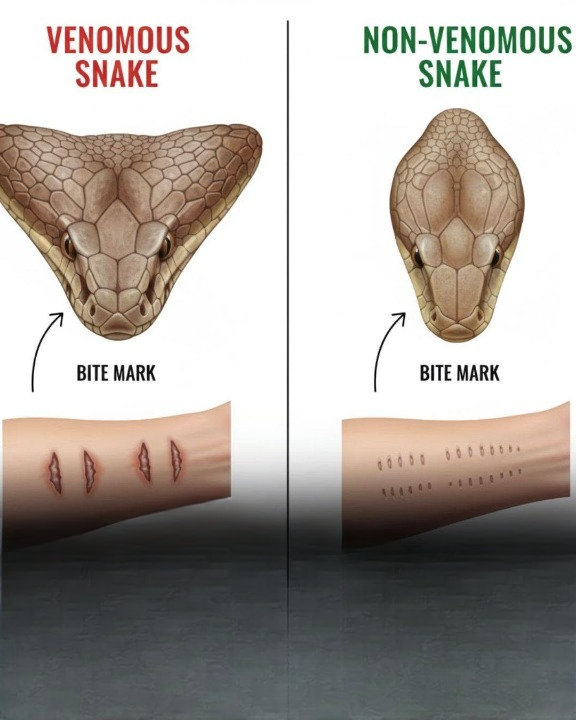
If it is safe to do so, noting details about the snake—such as its color, size, or pattern—can be helpful, but only if it does not place anyone at further risk. Under no circumstances should someone attempt to capture or handle the snake. Even a dead snake can sometimes deliver a reflex bite, and misidentification can lead to incorrect assumptions about the severity of the bite.
While waiting for help, reassurance plays an underrated role. Keeping the affected person calm, still, and mentally focused can help stabilize heart rate and reduce unnecessary movement. Simple breathing techniques and clear communication can make a stressful situation more controlled. If the bite occurs in a remote area, moving the person only when absolutely necessary is key—otherwise, it is usually safer to wait for trained responders.
Once medical professionals take over, treatment may involve observation, symptom monitoring, and in some cases antivenom depending on the species and severity. Outcomes today are significantly better than in the past due to advances in emergency medicine, but timing remains critical. The sooner someone receives care, the better the chances of a full recovery without complications.
Ultimately, snakebite safety is not about fear of the outdoors—it is about respect for it. Most encounters can be avoided with awareness, and most bites can be managed effectively with the right response. Knowing what to do ahead of time ensures that if the unexpected happens, you are not relying on panic or misinformation, but on clear steps that protect health until professional care is available.
Uncategorized