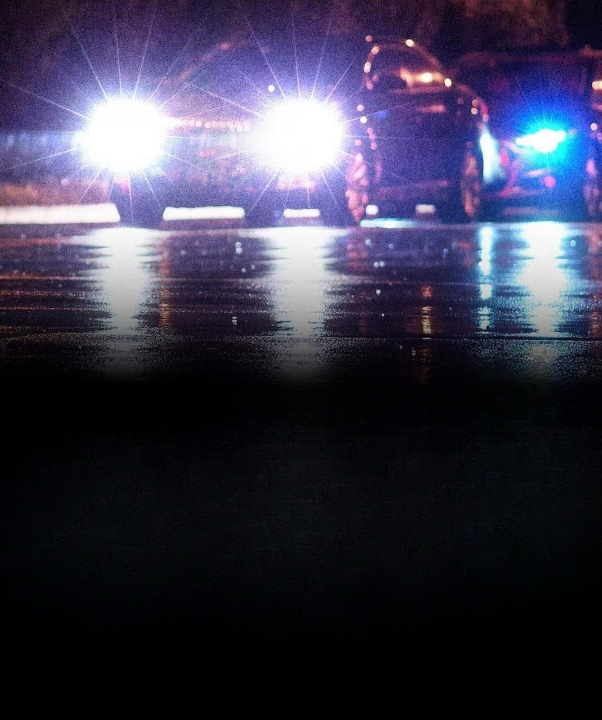
The glare hits without warning. One moment the road is clear, and the next it feels like it disappears behind a wall of white light. Your eyes tighten, your grip on the wheel instinctively firms, and a small but unsettling question appears in your mind: is this normal, or is night driving getting harder than it used to be?
For many drivers, this experience has become increasingly familiar. What once felt like a rare annoyance is now a regular part of driving after sunset. The cause is not a single problem, but a combination of changes in vehicle lighting technology, road conditions, and everyday driving factors that amplify brightness in ways older generations of cars never produced.
One of the biggest contributors is the widespread adoption of LED headlights. These lights are designed to be more energy-efficient and to illuminate the road more clearly than traditional halogen bulbs. In practice, however, their brightness and intensity can feel overwhelming, especially when viewed directly from another vehicle. Unlike older, warmer bulbs that diffuse light more softly, LEDs produce a sharper, more concentrated beam that can strain the eyes in low-light conditions.
Color temperature plays an important role as well. Many modern headlights emit a cooler, bluish-white light that mimics daylight. While this improves clarity for the driver using them, it can be uncomfortable for oncoming drivers, particularly in wet or foggy conditions where light scatters more easily. Rain-slick roads and mist amplify reflections, turning otherwise manageable brightness into glare that temporarily reduces visibility.
Another often overlooked factor is vehicle height. The growing popularity of SUVs and trucks means more vehicles sit higher off the ground than before. This shift changes the angle at which headlights reach other drivers. Instead of illuminating lower on the road, beams can land directly at eye level, especially if the suspension is elevated or the car is carrying heavy cargo in the back.
Headlight alignment issues make the problem worse. Even a slight misalignment can push beams upward, increasing glare for oncoming traffic. Over time, normal wear and tear, minor collisions, or uneven loading of a vehicle can all contribute to headlights pointing higher than intended. Many drivers never realize their lights are misaligned until someone else experiences the discomfort first.
Environmental conditions also play a part. Clean windshields are often underestimated in their importance. Dirt, smudges, and interior film buildup can scatter incoming light, making glare appear more intense than it actually is. Similarly, dry eyes or fatigue can increase sensitivity to brightness, making night driving feel more difficult even when conditions are technically unchanged.
While the problem can feel frustrating, there are practical ways to reduce its impact. Regularly checking headlight alignment during routine maintenance helps ensure beams are directed properly. Adjusting headlights when carrying heavy loads can also prevent them from tilting upward unintentionally. Inside the cabin, keeping the windshield both clean and streak-free improves clarity and reduces scattered reflections.
Driving technique matters too. Instead of staring directly at oncoming headlights, shifting your gaze slightly toward the right edge of your lane can help preserve night vision while maintaining awareness of the road. This small adjustment reduces strain without compromising control of the vehicle.
Looking ahead, automotive technology may eventually ease these issues. Adaptive headlights, which automatically adjust brightness and direction based on traffic conditions, are becoming more common in newer vehicles. These systems are designed to illuminate the road more precisely while minimizing glare for others, offering a more balanced experience for everyone on the road.
Night driving will likely never be completely free of glare, but understanding its causes makes it easier to manage. What feels like a growing problem is often the result of multiple small shifts happening at once. With awareness and a few simple adjustments, drivers can regain a sense of comfort and confidence even on the brightest of roads.
Uncategorized