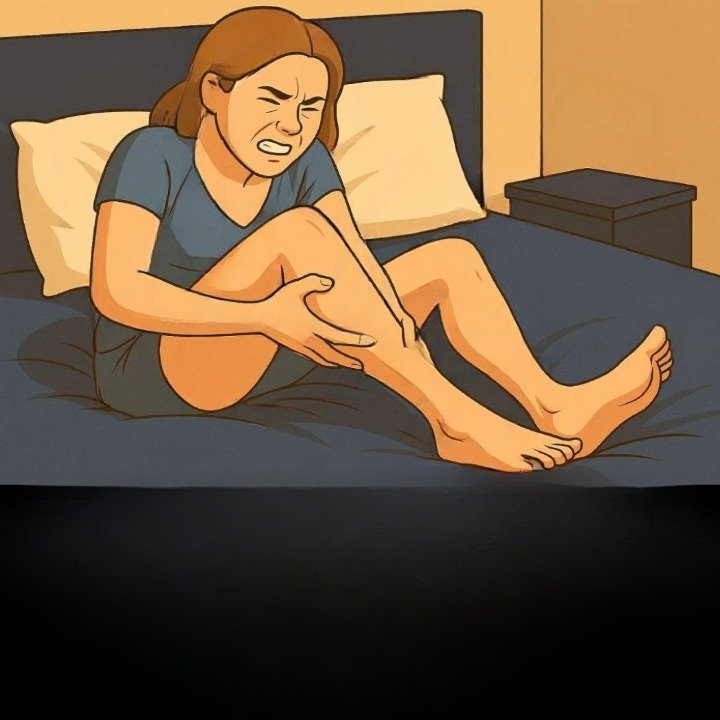
There’s nothing quite like the sudden jolt of pain that wakes you in the middle of the night. One second you’re drifting peacefully through sleep, and the next, your calf seizes as if it has a mind of its own. Your toes curl involuntarily, your muscle knots so tightly it feels like it might tear, and you’re left gasping, searching for a way to make it stop. For many, night leg cramps are a regular, unwelcome visitor—but the good news is, most of the time, they’re not a hidden emergency.
Night cramps, also known as “charley horses,” are incredibly common. In fact, surveys suggest that up to 60% of adults experience them at some point, and the likelihood increases with age. While they can strike without warning, they are usually linked to everyday factors rather than serious medical conditions.
One of the most common contributors is dehydration. When your body doesn’t have enough water, muscles are more likely to contract involuntarily. Mineral deficiencies can also play a role. Low levels of magnesium, potassium, and calcium can make muscles more excitable and prone to cramping. Even something as simple as long periods of standing during the day or intense exercise can leave your calves vulnerable to nighttime spasms. Certain medications—like diuretics or statins—can also increase the risk by affecting electrolyte balance or muscle function.
The cramps themselves can feel alarming because of their sudden intensity. A healthy calf muscle contracts so forcefully that it might temporarily lock your leg in a bent position. Pain peaks almost immediately, and for a few agonizing seconds—or sometimes minutes—the discomfort can feel unbearable. Despite the drama, most cases are harmless. They don’t usually indicate underlying damage or a serious disease.
Still, recurring cramps are your body’s way of signaling that something needs attention. This isn’t necessarily a medical emergency, but it is a wake-up call to check hydration, nutrition, and muscle care. Fortunately, small, consistent habits can make a huge difference.
Hydration is key. Drinking enough water throughout the day keeps muscles lubricated and helps maintain proper electrolyte balance. Eating balanced meals rich in minerals can also help prevent cramping. Leafy greens, bananas, nuts, and dairy products provide magnesium, potassium, and calcium, which support healthy muscle function. Stretching matters, too. A few minutes of gentle calf stretches before bed can relax muscle fibers, reducing the likelihood of sudden nighttime contractions.
Even seemingly minor adjustments in your sleep position can help. Many people unknowingly sleep with their feet pointed downward, which shortens the calf muscle and makes it more likely to cramp. Using a pillow to keep feet in a neutral position or sleeping with loose bedding can prevent muscles from tightening while you rest.
But while most night cramps are benign, there are times to take them more seriously. If cramps happen very frequently, are unusually severe, or come with additional symptoms like swelling, redness, numbness, or weakness, it’s worth consulting a healthcare professional. These could indicate circulatory problems, nerve issues, or other underlying conditions that need attention.
Some experts also recommend lifestyle adjustments beyond hydration and stretching. Incorporating regular exercise, such as walking or swimming, helps maintain flexibility and muscle tone. Avoiding excessive alcohol and limiting caffeine in the evening can also reduce nighttime spasms. And for those with persistent trouble, certain topical remedies or magnesium supplements—used under medical guidance—may offer relief.
At its core, a nighttime leg cramp is your body sending a message. It’s not a crisis, but it’s worth listening to. Your muscles are reminding you that they need attention, whether through better hydration, nutrition, stretching, or posture awareness. Ignoring these signals won’t usually cause immediate harm, but addressing them can improve your sleep, comfort, and overall muscle health.
So the next time your calf seizes in the dead of night, take a deep breath, gently massage the muscle, and flex your foot to release the tension. Then, consider what steps you can take during the day to reduce the likelihood of another sudden spasm. With consistent care and awareness, those shocking, painful interruptions can become rare—and you can get back to the peaceful, restorative sleep you deserve.
Uncategorized