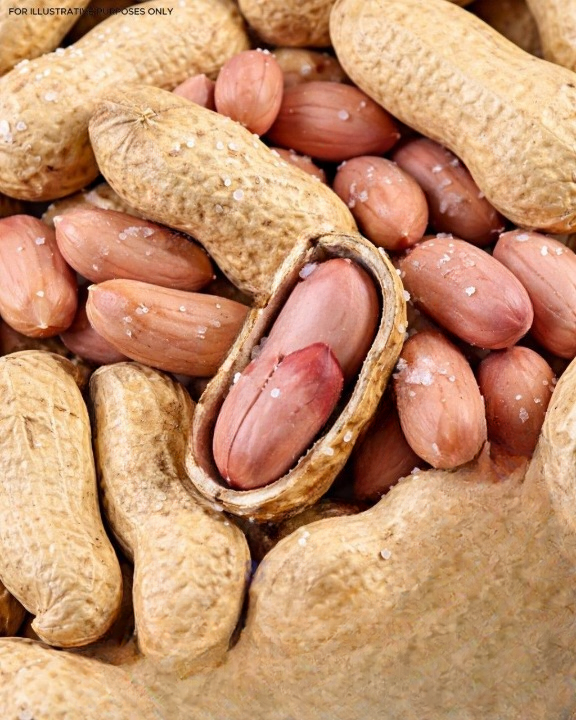
Peanuts may seem like a simple snack, but what happens inside your body after eating them is anything but ordinary. Though often mistaken for nuts, peanuts are actually legumes—yet they share many of the nutritional benefits of tree nuts. From supporting heart health to fueling your brain and muscles, peanuts trigger a wide range of positive effects when eaten in moderation.
Here’s what happens when peanuts become part of your diet:
1. Your Body Gets a Protein Boost
Peanuts are rich in plant-based protein. A small handful (about 28 grams) provides roughly 7 grams of protein, making them a great option for muscle repair, growth, and overall body maintenance.
After consumption, your digestive system breaks down peanut protein into amino acids. These are then used to:
- Repair muscle tissue
- Support immune function
- Produce enzymes and hormones
For those following vegetarian or plant-forward diets, peanuts are a valuable protein source that helps maintain muscle mass and strength.
2. Your Heart Health Improves
Peanuts contain heart-friendly monounsaturated and polyunsaturated fats, similar to those in olive oil. Regular consumption (without excess salt or sugar) can:
- Lower LDL (“bad”) cholesterol
- Maintain or raise HDL (“good”) cholesterol
- Reduce inflammation in blood vessels
Additionally, peanuts contain resveratrol, a natural antioxidant linked to improved blood vessel function and reduced risk of heart disease.
3. You Feel Fuller for Longer
Thanks to their combination of protein, healthy fats, and fiber, peanuts slow digestion and help stabilize blood sugar. After eating peanuts:
- Your stomach empties more slowly
- Hunger hormones decrease
- Satiety hormones increase
This is why peanuts can support weight management. Despite being calorie-dense, people who eat peanuts regularly tend not to overeat because they feel satisfied sooner.
4. Your Blood Sugar Stays More Stable
Peanuts have a low glycemic index, meaning they don’t cause sharp spikes in blood sugar. When consumed:
- Carbohydrates are digested slowly
- Glucose enters the bloodstream gradually
- Insulin response remains balanced
This makes peanuts especially beneficial for people with insulin resistance or those seeking to reduce the risk of type 2 diabetes.
5. Your Brain Gets Extra Support
Peanuts contain several nutrients essential for brain function:
- Niacin (vitamin B3) – supports cognitive health
- Vitamin E – protects brain cells from oxidative damage
- Healthy fats – essential for nerve signaling
Regular consumption may help improve memory, protect brain cells, and support overall cognitive function.
6. Your Muscles and Nerves Function Better
Peanuts provide magnesium and potassium, minerals vital for muscle and nerve health. After eating peanuts:
- Magnesium helps muscles relax
- Potassium supports nerve impulses and prevents cramps
- Electrolyte balance improves
This makes peanuts an ideal snack for physically active individuals.
7. Your Cells Are Protected From Damage
Packed with antioxidants like polyphenols, resveratrol, and vitamin E, peanuts help neutralize free radicals—unstable molecules that damage cells. Reducing oxidative stress supports long-term cellular health and may lower the risk of certain chronic conditions.
8. Your Digestive System Benefits
While not extremely high in fiber, peanuts contribute to digestive health by:
- Promoting regular bowel movements
- Supporting beneficial gut bacteria
- Improving overall digestion
A healthy gut supports immunity, nutrient absorption, and even mental well-being.
A Word of Caution
While peanuts offer many benefits, moderation is key. Overconsumption can lead to excess calories, and salted or sugar-coated peanuts may reduce health benefits. Those with peanut allergies should avoid them entirely.
Final Thoughts
When eaten in moderation, peanuts do more than satisfy a craving. They nourish your heart, fuel your muscles, support your brain, stabilize blood sugar, and protect your cells—all in one small package. Simple, affordable, and nutrient-dense, peanuts prove that powerful health benefits don’t always come from complicated foods.
Uncategorized