Introduction: Rediscovering the Charm of Timeless Elements
In the dynamic world of architecture and interior design, trends come and go. Today, minimalism, smart home technology, and sustainable materials dominate the conversation, shaping the way we approach our living spaces. However, amidst these modern innovations, there are elements of design that have been forgotten or overlooked, even though they possess a timeless beauty and functionality. These forgotten elements have the potential to transform any space, lending it not just aesthetic value but a connection to history and craftsmanship.
One such element that continues to captivate design enthusiasts is the humble vintage window weight. Often hidden within the frames of traditional sash windows, vintage window weights are an overlooked treasure that can elevate a home’s charm and character. These weights, which were once vital to the function of a window, have a deep history that connects us to a bygone era of architecture. In this article, we’ll explore why these unassuming components deserve a place in modern homes and how they can contribute to both the beauty and historical integrity of your space.
The Story Behind Vintage Window Weights
To fully appreciate vintage window weights, we need to understand their history and purpose. These simple yet ingenious devices have been around for centuries, dating back to the 17th century. Early windows were often rudimentary affairs, relying on a system of ropes and pulleys to raise and lower the sashes. This was not only a practical solution to the problem of opening windows but also an aesthetic choice that reflected the simplicity and ingenuity of early architecture.
However, as buildings became more sophisticated and architectural tastes evolved, so too did window designs. The 19th and early 20th centuries marked a golden age for the sash window, which became a hallmark of elegance in many residential and public buildings. This is when the cast iron window weights were introduced, and their design reached its peak.
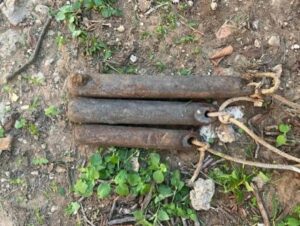
These weights were typically made of cast iron, a material that was both durable and heavy, allowing the window to open and close with ease. They were designed to balance the weight of the window sash, enabling it to be raised or lowered with minimal effort. The window weight was connected to the sash by a cord running through a pulley system. The heavier the weight, the easier it was to lift the window, especially for larger, heavier sashes.
Over time, these weights became more than just functional elements. Craftsmen began to adorn them with intricate designs, decorative patterns, and even manufacturer logos. Some weights were stamped with the year they were made, while others bore detailed motifs that showcased the artistic sensibilities of the era. These small details reflect the commitment to craftsmanship and design that characterized the architecture of the time.
Why Vintage Window Weights Matter in Modern Design
While vintage window weights may seem like relics of the past, their role in modern design should not be underestimated. Today, as we embrace the charm of retro and vintage aesthetics, these unassuming elements offer a subtle yet impactful way to connect with history.
Architectural Authenticity and Preservation:
In recent years, there has been a renewed interest in the preservation of historical buildings. Whether through meticulous restoration or thoughtful renovations, many homeowners and architects are choosing to retain elements that embody the spirit of the past. Vintage window weights play a crucial role in these projects, particularly in buildings where original window systems need to be preserved.
In older homes, keeping the original window weights intact ensures the integrity of the design. Even if the window itself is updated with modern glass or insulation, maintaining the original weight system helps to preserve the architecture’s authenticity. This is particularly important for buildings that are registered as historic landmarks, where every detail matters in maintaining the building’s historical value.
Adding Character and Charm to Your Space:
In today’s design world, much emphasis is placed on creating spaces that feel personal and unique. Vintage window weights are the perfect addition to any space looking to capture a sense of individuality and history. They offer a raw, unpolished beauty that is hard to replicate in contemporary materials.
Incorporating these weights into your home could be as simple as keeping them in their original location—hidden behind the sash window—if you’re doing a restoration project. Alternatively, these weights can be exposed and turned into decorative pieces. Imagine incorporating them into a bookshelf design, where they hang from the sides of the shelves, or using them as part of a rustic chandelier. The weight’s patina and texture tell a story of its own, adding depth and character to a modern space.
For a more subtle touch, they can also be used as part of a gallery wall or as unique objects placed in curated vignettes. Whether you’re creating a vintage-inspired room or simply adding a conversation piece, vintage window weights are a versatile and unexpected element to include.
The Aesthetic and Symbolic Significance of Vintage Window Weights
The beauty of vintage window weights lies not only in their functionality but also in the symbolism they hold. These weights are more than just pieces of metal; they represent a connection to a time when buildings were designed with artistry and craftsmanship at the forefront. They evoke the notion that even the most utilitarian elements of a home can be imbued with beauty.
Craftsmanship and Attention to Detail:
In today’s world of mass production, it can sometimes feel as though the artistry of craftsmanship is being lost. Vintage window weights stand as a reminder of a time when every detail, no matter how small, was carefully considered. The fact that manufacturers took the time to decorate these elements with patterns or logos speaks to a time when quality and design were paramount in every aspect of construction. Incorporating these weights into your space honors that craftsmanship and helps to preserve it for future generations.
Sustainability and Reuse:
Another reason why vintage window weights are so relevant today is the growing interest in sustainable design and upcycling. Rather than discarding old materials, many designers are now looking at how they can repurpose items from the past and give them a new life. Vintage window weights fit perfectly into this approach. They are made from durable materials like cast iron, ensuring that they can withstand the test of time and serve a new function, whether as part of a modern design or as standalone pieces of decor.
Creative Ways to Incorporate Vintage Window Weights into Your Home
So, how can you bring vintage window weights into your home? Whether you’re doing a full restoration or simply looking to infuse your space with a touch of history, there are many creative ways to incorporate these forgotten elements into your design. Here are a few ideas to get you started:
1. Expose Them in Restoration Projects
If you’re restoring an older home, one of the best ways to keep vintage window weights intact is to expose them. In many cases, they can be carefully cleaned and restored to their original condition, allowing the window to function as it was originally designed. Exposing the weight within the window frame preserves both the window’s function and its history.
If you don’t want the weight to be visible in its entirety, consider leaving it partially exposed for an industrial-chic aesthetic that blends the old with the new.
2. Turn Them into Decorative Elements
Vintage window weights don’t have to stay hidden inside window frames. They can be creatively displayed in various parts of your home. Here are a few ideas:
-
Wall Art: Group several weights together and mount them on the wall. Their varied sizes, textures, and designs will create a unique focal point that will spark conversation.
-
Table Centerpieces: Place one or more vintage window weights in a glass or metal tray as part of a rustic centerpiece for your dining or coffee table. The contrast between the weight’s industrial feel and the softness of other items like candles, flowers, or books creates an interesting dynamic.
-
Upcycled Furniture: Use vintage window weights to add a rustic or industrial touch to furniture. For example, you could attach them as drawer pulls, handles, or even as part of the base for a one-of-a-kind coffee table.
3. Incorporate Them into Lighting Fixtures
Turn your vintage window weights into an eye-catching light fixture. Their unique shape and weight make them perfect for use as part of a chandelier or pendant light. Suspend them from a ceiling hook or incorporate them into an industrial-style light, creating a statement piece that adds warmth and history to any room.
4. Make Use of Them in Outdoor Spaces
Vintage window weights can also be used in your garden or patio area. Use them as bases for outdoor sculptures, or integrate them into garden beds as decorative accents. Their rusted or weathered appearance blends well with the natural textures of stone, wood, and greenery, creating a seamless connection between the vintage and the outdoors.
5. Create Functional Art Pieces
Use vintage window weights as part of an art piece that has both aesthetic and functional value. For example, you could turn them into a unique clock by attaching them to a wall and using their form as part of the clock’s face or structure. This functional art piece would not only be practical but also add an intriguing focal point to any space.
The Value of Vintage Window Weights
Aside from their aesthetic and historical significance, vintage window weights can also be considered collectibles. In recent years, collectors have begun to seek out rare or well-preserved examples of these weights, especially those with intricate designs or manufacturer markings. These collectors value the artistry and craftsmanship that went into creating these objects, and they’re willing to pay a premium for well-preserved pieces.
If you have access to vintage window weights, it might be worth considering their potential value in the market. While most vintage window weights may not fetch astronomical sums, certain designs—particularly those that are rare, ornate, or come from renowned manufacturers—can be worth a considerable amount. Online marketplaces such as **e