In high-performance environments such as aerospace research centers, infrastructure design is often evaluated not only for basic function but also for efficiency, hygiene, and user flow.
Even essential facilities like restrooms are considered part of operational optimization. In these contexts, designers and facility planners aim to reduce downtime, improve accessibility, and support large groups of people working under strict schedules.
Every detail is assessed for its contribution to productivity and comfort in demanding operational environments.
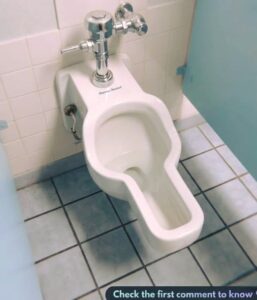
One concept that has been explored in modern sanitation design is the idea of gender-specific urinal alternatives for women.
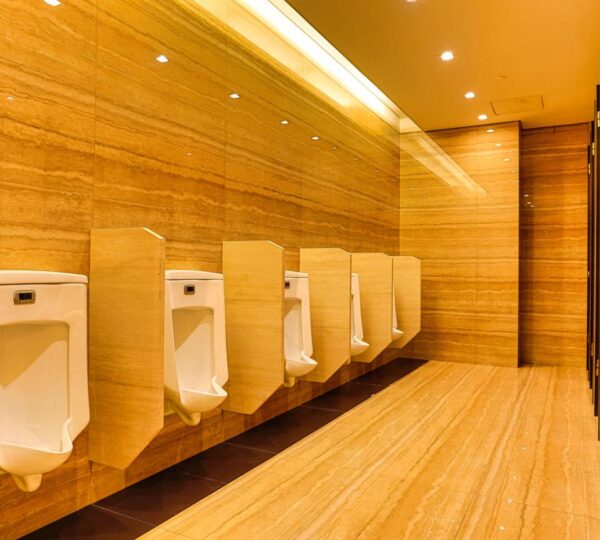
These designs are intended to expand options in public and institutional restrooms, especially in high-traffic environments where congestion is a recurring issue.
Rather than being positioned as a novelty, these fixtures are generally discussed within the broader field of ergonomic sanitation engineering.
The goal is to improve usability, reduce waiting times, and enhance hygiene standards in shared facilities.
In principle, female urinal designs aim to allow use in a standing or semi-standing posture, depending on the model. This approach is intended to minimize physical contact with surfaces that are frequently used by multiple people.
Reducing contact points is often considered beneficial in environments where hygiene control is a priority. Shared surfaces in public restrooms can contribute to maintenance demands, so designs that reduce contact may improve overall cleanliness efficiency.
Another design consideration is spatial efficiency. In crowded facilities such as event venues, transportation hubs, or large workplaces, restroom queues can become a logistical challenge during peak usage periods.
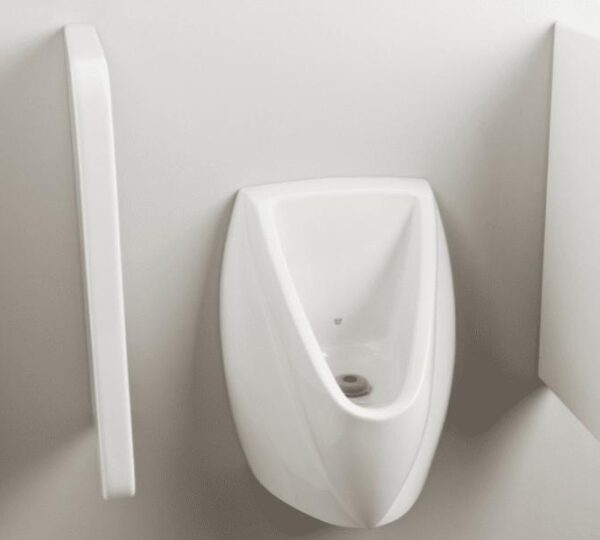
By improving throughput, or the number of users able to access facilities within a given timeframe, alternative urinal designs are sometimes evaluated as part of broader infrastructure planning strategies.
Ergonomics plays a significant role in the development of these systems. Designers must account for comfort, stability, privacy, and ease of use, ensuring that the experience remains practical for a diverse range of users.
Splash control and structural shaping are also important factors in design engineering. Proper angles, height placement, and material selection all contribute to ensuring hygienic and comfortable usage in real-world conditions.
In addition to functionality, accessibility considerations are often included in development discussions. Public infrastructure is increasingly expected to accommodate a wide range of physical abilities and user preferences.
Environmental sustainability is another factor influencing interest in alternative sanitation systems. Some designs aim to reduce water consumption compared to traditional flush-based toilets, particularly in high-usage environments.
Water conservation becomes especially relevant in large facilities where thousands of restroom uses may occur daily. Even small reductions per use can scale into significant long-term resource savings.
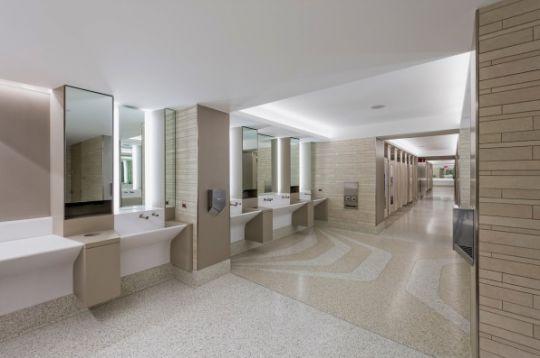
Maintenance efficiency is also a key concern for facility operators. Designs that simplify cleaning or reduce the frequency of deep sanitation cycles can help lower operational costs over time.
However, the adoption of such innovations is not always straightforward. Public familiarity plays a major role in how quickly new restroom technologies are accepted and used comfortably.
Users encountering unfamiliar restroom fixtures may experience hesitation or uncertainty, particularly if signage and instructions are not clear or intuitive enough for first-time use.
Cultural expectations around restroom design also influence adoption rates. Sanitation habits are shaped by long-standing norms, and changes to these systems often require gradual introduction and education.
In some cases, facilities introducing alternative designs use signage, demonstrations, or phased integration to help users become comfortable with new configurations.
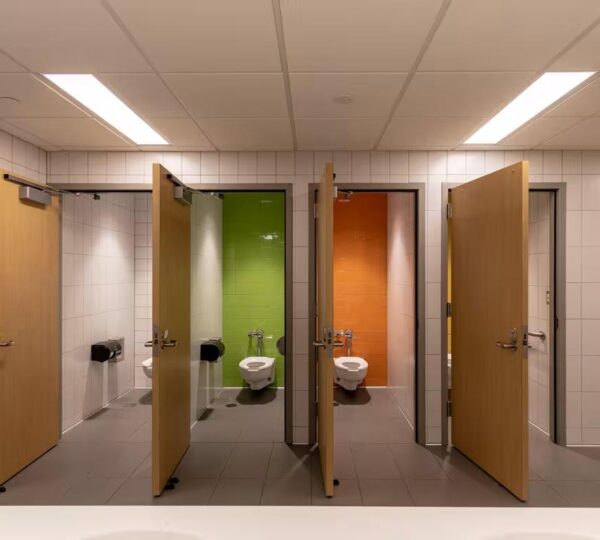
Despite potential benefits, it is important to note that these designs are not universally adopted or standardized. Their presence varies widely depending on region, facility type, and specific operational needs.
Most discussions around female urinal systems remain within experimental, pilot, or specialized implementation stages rather than widespread public infrastructure deployment.
Overall, the exploration of alternative restroom designs reflects a broader trend in infrastructure innovation. The focus is shifting toward efficiency, inclusivity, and sustainability in shared public environments.
Even basic facilities are increasingly viewed as part of a larger system that supports human performance, health, and operational effectiveness in complex and high-demand settings.