Dorothy Mitchell had lived in apartment 4B for nearly half a century, long enough for the building’s wallpaper to change three times, for neighbors to grow old or move away, and for the city’s restless noise outside to become both familiar and strangely distant.
Her home, filled with antique lamps, soft blankets, and an aging armchair positioned just beneath a window that overlooked the courtyard, had become her sanctuary. Yet despite its comfort, the rooms held a quiet that stretched into her days like a long shadow.
Her husband’s belongings still remained where he’d last placed them years ago, preserved like fragile reminders of a life once filled with companionship and laughter. To Dorothy, every picture frame, every knick-knack, every worn-out cushion carried a piece of a memory she didn’t want to let fade.
Each morning, she awakened slowly, wrapping herself in a warm shawl before shuffling through her apartment. Her days followed a gentle routine — brewing a cup of tea, watering her plants, and sitting by the window to watch the world move without her.
The home care nurses sent by the agency came and went with the passing weeks, their faces blending together in her mind. They were kind, but distant, performing their duties efficiently before hurrying on to their next appointment.
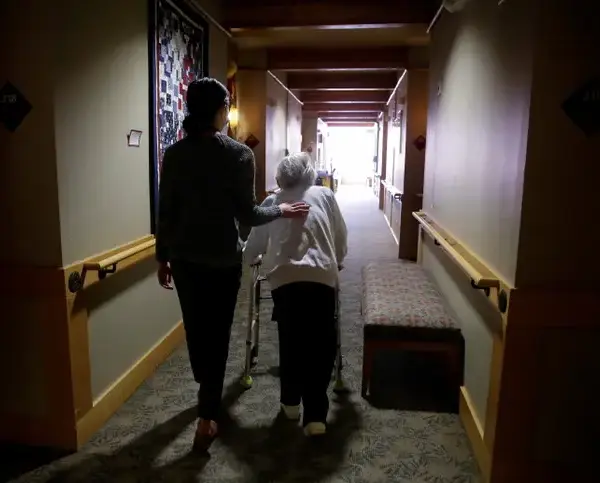
None stayed long enough to understand the sadness in her eyes when she talked about her late husband or the quiet longing in her voice when she mentioned her children who lived hours away and visited less frequently than she wished.
As the years passed, loneliness wrapped itself around her like an invisible blanket. It was not dramatic or overwhelming — it was gentle, persistent, present. Dorothy had learned to live with it, but it crept into every hour of her day.
She would sometimes leave her door slightly open, allowing the soft echoes of footsteps, murmurs, and the occasional laughter from the hallway to drift inside.
She didn’t expect visitors; she simply wanted a reminder that she was still part of the building, still part of something, still alive in the world.
Her neighbors often saw her watching from her doorway, her eyes filled with a delicate hope that someone might pause even for a moment to greet her.
Then came that snowy afternoon — the day everything shifted. The storm outside was heavy, coating the sidewalks and windows with frost. I remember hearing the elevator groan as it climbed to our floor, followed by the slow, deliberate sound of boots stepping onto the hallway carpet.
When I peeked through my peephole, I saw him: a tall man with a rugged frame, tattoos tracing up his arms, wearing a well-worn leather jacket and holding several bags of groceries.
His presence was so unexpected, so striking, that I instinctively assumed something unusual was happening. Those grocery bags were unmistakably Dorothy’s — the same items she ordered every week.
Before I could jump to conclusions, Dorothy opened her door wide — wider than she ever opened it for anyone — and welcomed him inside with a warmth I hadn’t seen in years. Her smile was bright, genuine, and filled with a sense of comfort that came only from trust.
The man, introducing himself as Michael, stepped into her apartment with ease, gently placing the groceries on her counter as though he had been doing it for years.
There was nothing hurried or awkward in his movements. He unpacked the bags carefully, making sure each item was placed exactly where Dorothy preferred.
I watched as he spoke to her — softly, respectfully, attentively. He listened to her stories, asked about her day, and checked on her medication with a familiarity that didn’t belong to a stranger.
It was clear from the gentle rhythm of their conversation that their connection had been growing quietly for weeks, maybe even months, without anyone else noticing.
Later that evening, I visited Dorothy, my curiosity too strong to ignore. When I asked her who Michael was, she smiled in a way I hadn’t seen in years — a smile that held gratitude, comfort, and something like renewed purpose.
She told me the story: a few weeks earlier, she had slipped near the building’s entrance while trying to steady herself on her cane.
She would have fallen if Michael hadn’t stepped in at the perfect moment, catching her before she hit the ground. Instead of shrugging off the incident and walking away, he brought her inside, made sure she was okay, and checked on her again the next day.
And then the next. And the next after that.
Their friendship grew naturally, built on small gestures of kindness. He learned she struggled to lift heavy grocery bags, so he offered to help. He noticed she enjoyed conversation, so he stayed a little longer each time.
He saw the loneliness behind her eyes, and without making her feel pitied or fragile, he began filling her days with warmth, presence, and companionship. Dorothy wasn’t just another person to assist — she became someone he genuinely cared about.
Her children, at first, were cautious when they heard about Michael. They worried, questioned, and wondered how someone who looked so different from their mother’s usual circle had become such an important part of her life.
But as they visited more frequently, they saw the undeniable truth — Dorothy was happier. Her home felt warm again. She talked more. She laughed more.
She walked with renewed confidence, eager to share her days with someone who listened to her stories as if they mattered. The transformation was undeniable.
From across the hall, I watched an unexpected, beautiful friendship blossom — a friendship built not on similarities, but on compassion.
Dorothy, gentle and wise, and Michael, strong and soft-hearted, found a connection that defied expectation. He brought energy into her world, and she brought calm into his.
They balanced one another in a way that made perfect sense, even if their lives had taken wildly different paths.
In her final years, Dorothy’s life was filled with moments she had thought she would never experience again — genuine companionship, heartfelt conversations, and the warmth of being truly seen.
She often told me that Michael made her feel alive again, that he treated her with the dignity and respect she once feared she had lost to time.
Michael never wanted recognition. To him, helping Dorothy wasn’t an act of charity — it was an expression of humanity. He once told her, “Everyone deserves someone who cares,” and he lived out those words every day he spent by her side.
Dorothy’s final seasons were gentler than the years before them, not because life became easier, but because Michael’s presence brought light into her quiet world.
He was there when she needed help, but he was also there when she simply needed a friend. In the end, their connection reminded everyone who knew them that compassion is powerful, that friendships can form in the most unlikely places, and that sometimes, the brightest parts of our lives arrive when we least expect them.
Dorothy found peace not in grand gestures, but in the simple truth that she mattered — to someone, deeply.
And for her, that unexpected friend — the man with tattoos, the leather jacket, and the Harley parked outside — became the greatest blessing of her final years.
Dorothy Mitchell had lived in apartment 4B for nearly half a century, long enough for the building’s wallpaper to change three times, for neighbors to grow old or move away, and for the city’s restless noise outside to become both familiar and strangely distant.
Her home, filled with antique lamps, soft blankets, and an aging armchair positioned just beneath a window that overlooked the courtyard, had become her sanctuary. Yet despite its comfort, the rooms held a quiet that stretched into her days like a long shadow.
Her husband’s belongings still remained where he’d last placed them years ago, preserved like fragile reminders of a life once filled with companionship and laughter. To Dorothy, every picture frame, every knick-knack, every worn-out cushion carried a piece of a memory she didn’t want to let fade.
Each morning, she awakened slowly, wrapping herself in a warm shawl before shuffling through her apartment. Her days followed a gentle routine — brewing a cup of tea, watering her plants, and sitting by the window to watch the world move without her.
The home care nurses sent by the agency came and went with the passing weeks, their faces blending together in her mind. They were kind, but distant, performing their duties efficiently before hurrying on to their next appointment.
None stayed long enough to understand the sadness in her eyes when she talked about her late husband or the quiet longing in her voice when she mentioned her children who lived hours away and visited less frequently than she wished.
As the years passed, loneliness wrapped itself around her like an invisible blanket. It was not dramatic or overwhelming — it was gentle, persistent, present. Dorothy had learned to live with it, but it crept into every hour of her day.
She would sometimes leave her door slightly open, allowing the soft echoes of footsteps, murmurs, and the occasional laughter from the hallway to drift inside.
She didn’t expect visitors; she simply wanted a reminder that she was still part of the building, still part of something, still alive in the world.
Her neighbors often saw her watching from her doorway, her eyes filled with a delicate hope that someone might pause even for a moment to greet her.
Then came that snowy afternoon — the day everything shifted. The storm outside was heavy, coating the sidewalks and windows with frost. I remember hearing the elevator groan as it climbed to our floor, followed by the slow, deliberate sound of boots stepping onto the hallway carpet.
When I peeked through my peephole, I saw him: a tall man with a rugged frame, tattoos tracing up his arms, wearing a well-worn leather jacket and holding several bags of groceries.
His presence was so unexpected, so striking, that I instinctively assumed something unusual was happening. Those grocery bags were unmistakably Dorothy’s — the same items she ordered every week.
Before I could jump to conclusions, Dorothy opened her door wide — wider than she ever opened it for anyone — and welcomed him inside with a warmth I hadn’t seen in years. Her smile was bright, genuine, and filled with a sense of comfort that came only from trust.
The man, introducing himself as Michael, stepped into her apartment with ease, gently placing the groceries on her counter as though he had been doing it for years.
There was nothing hurried or awkward in his movements. He unpacked the bags carefully, making sure each item was placed exactly where Dorothy preferred.
I watched as he spoke to her — softly, respectfully, attentively. He listened to her stories, asked about her day, and checked on her medication with a familiarity that didn’t belong to a stranger.
It was clear from the gentle rhythm of their conversation that their connection had been growing quietly for weeks, maybe even months, without anyone else noticing.
Later that evening, I visited Dorothy, my curiosity too strong to ignore. When I asked her who Michael was, she smiled in a way I hadn’t seen in years — a smile that held gratitude, comfort, and something like renewed purpose.
She told me the story: a few weeks earlier, she had slipped near the building’s entrance while trying to steady herself on her cane.
She would have fallen if Michael hadn’t stepped in at the perfect moment, catching her before she hit the ground. Instead of shrugging off the incident and walking away, he brought her inside, made sure she was okay, and checked on her again the next day.
And then the next. And the next after that.
Their friendship grew naturally, built on small gestures of kindness. He learned she struggled to lift heavy grocery bags, so he offered to help. He noticed she enjoyed conversation, so he stayed a little longer each time.
He saw the loneliness behind her eyes, and without making her feel pitied or fragile, he began filling her days with warmth, presence, and companionship. Dorothy wasn’t just another person to assist — she became someone he genuinely cared about.
Her children, at first, were cautious when they heard about Michael. They worried, questioned, and wondered how someone who looked so different from their mother’s usual circle had become such an important part of her life.
But as they visited more frequently, they saw the undeniable truth — Dorothy was happier. Her home felt warm again. She talked more. She laughed more.
She walked with renewed confidence, eager to share her days with someone who listened to her stories as if they mattered. The transformation was undeniable.
From across the hall, I watched an unexpected, beautiful friendship blossom — a friendship built not on similarities, but on compassion.
Dorothy, gentle and wise, and Michael, strong and soft-hearted, found a connection that defied expectation. He brought energy into her world, and she brought calm into his.
They balanced one another in a way that made perfect sense, even if their lives had taken wildly different paths.
In her final years, Dorothy’s life was filled with moments she had thought she would never experience again — genuine companionship, heartfelt conversations, and the warmth of being truly seen.
She often told me that Michael made her feel alive again, that he treated her with the dignity and respect she once feared she had lost to time.
Michael never wanted recognition. To him, helping Dorothy wasn’t an act of charity — it was an expression of humanity. He once told her, “Everyone deserves someone who cares,” and he lived out those words every day he spent by her side.
Dorothy’s final seasons were gentler than the years before them, not because life became easier, but because Michael’s presence brought light into her quiet world.
He was there when she needed help, but he was also there when she simply needed a friend. In the end, their connection reminded everyone who knew them that compassion is powerful, that friendships can form in the most unlikely places, and that sometimes, the brightest parts of our lives arrive when we least expect them.
Dorothy found peace not in grand gestures, but in the simple truth that she mattered — to someone, deeply.
And for her, that unexpected friend — the man with tattoos, the leather jacket, and the Harley parked outside — became the greatest blessing of her final years.