The first contraction didn’t whisper — it announced itself with a force that folded me in half. I had been standing in the kitchen, cutting fruit absentmindedly, lost in a swirl of thoughts about the baby, my future, and everything I hoped would turn out right.
But the pain hit like a sudden storm, sharp and paralyzing. My breath caught in my throat, and I instinctively placed one hand on the counter to steady myself while the other wrapped protectively around my belly.
For a moment, I stood completely still, waiting to see if it was just a false alarm. But the pain pulsed through me again, rippling from my lower back to my abdomen. It was unmistakable. My body was beginning the process I had both feared and anticipated for months.
I glanced into the living room, where my parents sat — my mother scrolling through her tablet while my father watched television, the blue light flickering across his face.
I hoped they would look up and see the distress written all over me. I hoped someone would recognize the tremor in my voice or the way my hands shook.
“Mom…” I whispered, trying not to panic. “Dad… I think I’m in labor.”
The words felt heavy and urgent, but they seemed to float right past them.
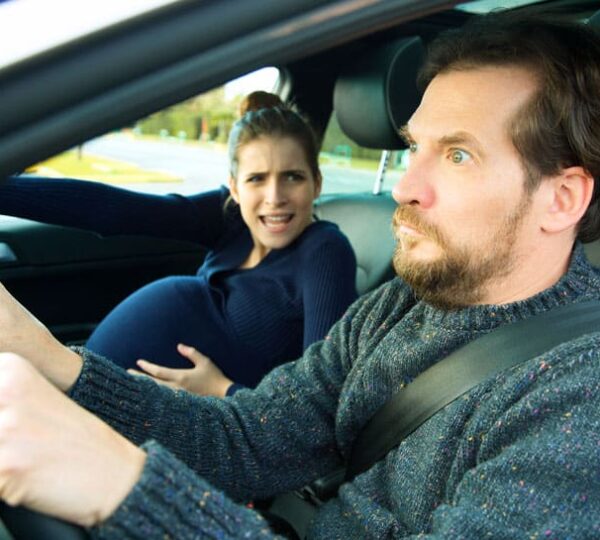
My mother sighed without turning her head. “Just relax a little,” she said dismissively. “You always worry too much.”
Her tone struck me harder than the contraction. Relax? My body was contracting with the force of nature itself, yet she spoke as if I’d mentioned a mild stomach cramp.
My father didn’t even shift on the couch. “Sit down and wait,” he muttered. “It’ll probably pass.”
Another contraction surged through me, quicker and stronger this time. My knees wobbled. I pressed my hand faintly to the cool cabinet door, closing my eyes tightly to push through the wave of pain. The pressure was overwhelming, like a giant hand squeezing me from the inside out.
“I need to go to the hospital,” I said again, louder, my voice cracking. “It’s real. It’s happening. I need to leave now.”
Still, neither of them moved.
My mother let out another sigh, as if I’d inconvenienced her. “We’re busy. Someone else can take you.”
Busy.
The word echoed in my chest.
They were busy… while I was about to bring a human into the world.
I looked at them — really looked. The blankness in their eyes, the indifference, the quiet coldness — and something inside me deflated. Not just hurt. It was deeper than that. It was a sense of being truly, painfully alone at the most vulnerable moment of my life.
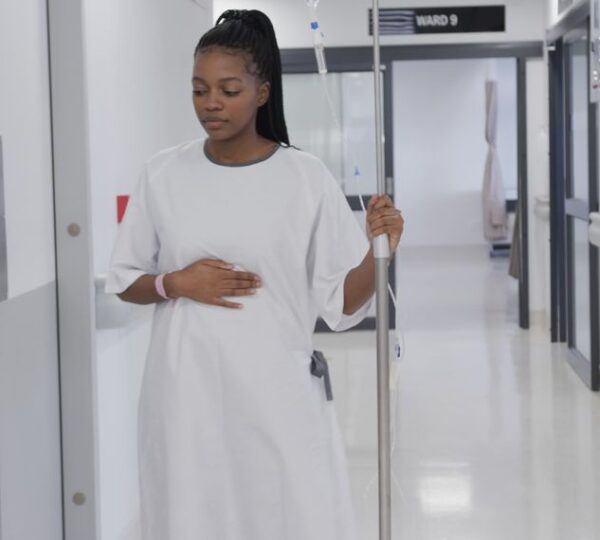
Another contraction tore through me, stronger than the others. I grabbed the back of a chair, my breath coming out in short, sharp bursts. This was no time to debate or beg. My baby was coming. My body was demanding action.
With trembling hands, I reached for my phone. My thumb hovered over the screen, the decision heavy and heartbreaking. I shouldn’t have had to call a stranger. I shouldn’t have felt abandoned. But I had no choice.
I opened the Uber app.
I booked a ride, blinking through tears that blurred the screen. My heart felt heavy — not just with fear, but with a deep sense of loss. A loss of trust. A loss of comfort. A loss of the parents I had hoped would care for me when I needed them most.
The house felt suffocating, like the walls were closing in with every contraction. I needed to get out. I needed to be somewhere safe — physically and emotionally.
I slowly made my way to the front door. Each step felt heavier than the last. I paused for a moment before opening it, glancing back over my shoulder one last time, hoping — desperately hoping — one of them would stop me.
But they didn’t even look up.
When I stepped outside, the cool air touched my skin with a softness I didn’t know I needed. I closed my eyes for a moment and inhaled deeply, letting the fresh air fill my lungs. The outside world felt calmer, clearer, more accepting than the place I had just walked out of.

Just then, the headlights of a car approached slowly, illuminating the driveway. The car was a silver sedan, clean and quiet. As it stopped in front of me, the window rolled down, and I saw a middle-aged woman behind the wheel.
The moment she noticed my posture — the way I held my stomach, the pain etched across my face — her eyes softened instantly.
“Oh sweetheart,” she said with genuine concern. “You’re in labor, aren’t you?”
I nodded, swallowing the lump in my throat.
She immediately put the car in park and stepped out, moving with gentle urgency. She opened the back door for me, her voice warm and steady.
“Take your time. Let me help you. We’re going to get you there.”
Her kindness hit me like a wave. After hours of emotional numbness, it was like someone had finally wrapped a blanket around my trembling heart. I felt tears sting my eyes again, though I tried to blink them away.
As I slowly lowered myself into the car, another contraction seized me. I grabbed the edge of the seat and let out a strained whimper. She placed a supportive hand on my shoulder.
“You’re doing so well,” she murmured. “Just breathe through it. You’re not alone.”
Not alone.
I hadn’t realized how desperately I needed to hear those exact words until she said them.

When she got back into the driver’s seat, she checked the mirrors, glanced at me through the rearview mirror, and gave a reassuring nod.
“My name’s Julia,” she said softly. “We’re going straight to the hospital. I’ll take care of everything.”
As she pulled away from the curb, leaving behind the house where no one had bothered to come out after me, I felt something shift inside me. A quiet acceptance. A painful understanding. A bittersweet relief.
In the back seat, the world outside blurred into streaks of streetlights and dark silhouettes of houses. Each contraction came closer than the last, stronger, deeper, making my breath hitch. I gripped the headrest with both hands, trying to stay focused.
Julia kept talking — not to fill silence, but to soothe the air around me. Her voice was warm, steady, calm in a way that wrapped around my anxiety and softened it.
“I remember when I had my first,” she said. “I was terrified. I didn’t know what to expect. But you know what? You’re already doing beautifully. You’re brave. You’re stronger than you realize.”
Her voice floated toward me like a soft breeze.
Each contraction hit like a tidal wave, but her presence was the anchor that kept me grounded. I listened to her voice between the pain — stories about her children, about fear, about strength, about the beauty of motherhood. Stories meant to comfort, not distract.
“You’re not alone,” she kept saying. “I’m here. You’re doing so well.”
Her reassurance felt like the first real comfort I had received in months.
The closer we got to the hospital, the more the reality sank in — this woman, a complete stranger, cared more about my safety than the people who were supposed to love me unconditionally.
When we arrived at the emergency entrance, she parked the car carefully, jumped out, and hurried to open my door. I tried to stand, but another contraction slammed into me, forcing me back down. She placed both hands on my arms gently.
“I’ve got you,” she whispered. “You’re safe now.”
A nurse spotted us and ran over with a wheelchair. Within seconds, everything became a blur — the sliding doors, the bright lights, the flurry of voices asking questions, checking vitals, moving quickly.
But even as the medical chaos unfolded, Julia stayed beside me.
She didn’t leave my side until the nurses physically guided me through the double doors of the maternity ward.
“You’re going to do great,” she whispered one last time. “You’re not alone. And you’re stronger than you know.”
I looked up at her, tears streaming uncontrollably down my face — not from the pain, but from the overwhelming contrast between her kindness and my parents’ indifference.
“Thank you,” I whispered, my voice breaking. “Thank you for everything.”
She smiled gently, touching my hand for one final moment.
“You take care of that little one. And take care of yourself.”
As the hospital doors closed behind me, I felt something powerful settle inside me — a realization that sometimes the people we expect the most from give us the least, and the people we don’t know at all show us the purest form of compassion.
Julia didn’t just give me a ride.
She gave me humanity.
She gave me comfort.
She gave me strength.
She gave me hope.
She reminded me that even when your own family turns away, kindness can still find you in the form of a stranger with a caring heart.
The first contraction didn’t whisper — it announced itself with a force that folded me in half. I had been standing in the kitchen, cutting fruit absentmindedly, lost in a swirl of thoughts about the baby, my future, and everything I hoped would turn out right.
But the pain hit like a sudden storm, sharp and paralyzing. My breath caught in my throat, and I instinctively placed one hand on the counter to steady myself while the other wrapped protectively around my belly.
For a moment, I stood completely still, waiting to see if it was just a false alarm. But the pain pulsed through me again, rippling from my lower back to my abdomen. It was unmistakable. My body was beginning the process I had both feared and anticipated for months.
I glanced into the living room, where my parents sat — my mother scrolling through her tablet while my father watched television, the blue light flickering across his face.
I hoped they would look up and see the distress written all over me. I hoped someone would recognize the tremor in my voice or the way my hands shook.
“Mom…” I whispered, trying not to panic. “Dad… I think I’m in labor.”
The words felt heavy and urgent, but they seemed to float right past them.
My mother sighed without turning her head. “Just relax a little,” she said dismissively. “You always worry too much.”
Her tone struck me harder than the contraction. Relax? My body was contracting with the force of nature itself, yet she spoke as if I’d mentioned a mild stomach cramp.
My father didn’t even shift on the couch. “Sit down and wait,” he muttered. “It’ll probably pass.”
Another contraction surged through me, quicker and stronger this time. My knees wobbled. I pressed my hand faintly to the cool cabinet door, closing my eyes tightly to push through the wave of pain. The pressure was overwhelming, like a giant hand squeezing me from the inside out.
“I need to go to the hospital,” I said again, louder, my voice cracking. “It’s real. It’s happening. I need to leave now.”
Still, neither of them moved.
My mother let out another sigh, as if I’d inconvenienced her. “We’re busy. Someone else can take you.”
Busy.
The word echoed in my chest.
They were busy… while I was about to bring a human into the world.
I looked at them — really looked. The blankness in their eyes, the indifference, the quiet coldness — and something inside me deflated. Not just hurt. It was deeper than that. It was a sense of being truly, painfully alone at the most vulnerable moment of my life.
Another contraction tore through me, stronger than the others. I grabbed the back of a chair, my breath coming out in short, sharp bursts. This was no time to debate or beg. My baby was coming. My body was demanding action.
With trembling hands, I reached for my phone. My thumb hovered over the screen, the decision heavy and heartbreaking. I shouldn’t have had to call a stranger. I shouldn’t have felt abandoned. But I had no choice.
I opened the Uber app.
I booked a ride, blinking through tears that blurred the screen. My heart felt heavy — not just with fear, but with a deep sense of loss. A loss of trust. A loss of comfort. A loss of the parents I had hoped would care for me when I needed them most.
The house felt suffocating, like the walls were closing in with every contraction. I needed to get out. I needed to be somewhere safe — physically and emotionally.
I slowly made my way to the front door. Each step felt heavier than the last. I paused for a moment before opening it, glancing back over my shoulder one last time, hoping — desperately hoping — one of them would stop me.
But they didn’t even look up.
When I stepped outside, the cool air touched my skin with a softness I didn’t know I needed. I closed my eyes for a moment and inhaled deeply, letting the fresh air fill my lungs. The outside world felt calmer, clearer, more accepting than the place I had just walked out of.
Just then, the headlights of a car approached slowly, illuminating the driveway. The car was a silver sedan, clean and quiet. As it stopped in front of me, the window rolled down, and I saw a middle-aged woman behind the wheel.
The moment she noticed my posture — the way I held my stomach, the pain etched across my face — her eyes softened instantly.
“Oh sweetheart,” she said with genuine concern. “You’re in labor, aren’t you?”
I nodded, swallowing the lump in my throat.
She immediately put the car in park and stepped out, moving with gentle urgency. She opened the back door for me, her voice warm and steady.
“Take your time. Let me help you. We’re going to get you there.”
Her kindness hit me like a wave. After hours of emotional numbness, it was like someone had finally wrapped a blanket around my trembling heart. I felt tears sting my eyes again, though I tried to blink them away.
As I slowly lowered myself into the car, another contraction seized me. I grabbed the edge of the seat and let out a strained whimper. She placed a supportive hand on my shoulder.
“You’re doing so well,” she murmured. “Just breathe through it. You’re not alone.”
Not alone.
I hadn’t realized how desperately I needed to hear those exact words until she said them.
When she got back into the driver’s seat, she checked the mirrors, glanced at me through the rearview mirror, and gave a reassuring nod.
“My name’s Julia,” she said softly. “We’re going straight to the hospital. I’ll take care of everything.”
As she pulled away from the curb, leaving behind the house where no one had bothered to come out after me, I felt something shift inside me. A quiet acceptance. A painful understanding. A bittersweet relief.
In the back seat, the world outside blurred into streaks of streetlights and dark silhouettes of houses. Each contraction came closer than the last, stronger, deeper, making my breath hitch. I gripped the headrest with both hands, trying to stay focused.
Julia kept talking — not to fill silence, but to soothe the air around me. Her voice was warm, steady, calm in a way that wrapped around my anxiety and softened it.
“I remember when I had my first,” she said. “I was terrified. I didn’t know what to expect. But you know what? You’re already doing beautifully. You’re brave. You’re stronger than you realize.”
Her voice floated toward me like a soft breeze.
Each contraction hit like a tidal wave, but her presence was the anchor that kept me grounded. I listened to her voice between the pain — stories about her children, about fear, about strength, about the beauty of motherhood. Stories meant to comfort, not distract.
“You’re not alone,” she kept saying. “I’m here. You’re doing so well.”
Her reassurance felt like the first real comfort I had received in months.
The closer we got to the hospital, the more the reality sank in — this woman, a complete stranger, cared more about my safety than the people who were supposed to love me unconditionally.
When we arrived at the emergency entrance, she parked the car carefully, jumped out, and hurried to open my door. I tried to stand, but another contraction slammed into me, forcing me back down. She placed both hands on my arms gently.
“I’ve got you,” she whispered. “You’re safe now.”
A nurse spotted us and ran over with a wheelchair. Within seconds, everything became a blur — the sliding doors, the bright lights, the flurry of voices asking questions, checking vitals, moving quickly.
But even as the medical chaos unfolded, Julia stayed beside me.
She didn’t leave my side until the nurses physically guided me through the double doors of the maternity ward.
“You’re going to do great,” she whispered one last time. “You’re not alone. And you’re stronger than you know.”
I looked up at her, tears streaming uncontrollably down my face — not from the pain, but from the overwhelming contrast between her kindness and my parents’ indifference.
“Thank you,” I whispered, my voice breaking. “Thank you for everything.”
She smiled gently, touching my hand for one final moment.
“You take care of that little one. And take care of yourself.”
As the hospital doors closed behind me, I felt something powerful settle inside me — a realization that sometimes the people we expect the most from give us the least, and the people we don’t know at all show us the purest form of compassion.
Julia didn’t just give me a ride.
She gave me humanity.
She gave me comfort.
She gave me strength.
She gave me hope.
She reminded me that even when your own family turns away, kindness can still find you in the form of a stranger with a caring heart.