Introduction: The Magic of Sedona
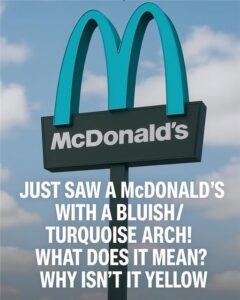
Have you ever ventured to the picturesque town of Sedona, Arizona? If so, you’ve likely witnessed something that may seem out of place at first glance. Amid the stunning red rock landscapes and natural beauty that Sedona is known for, there’s a McDonald’s restaurant that has turquoise arches, instead of the typical golden McDonald’s “M” sign. It’s a unique sight, one that immediately piques curiosity and begs the question, “Why turquoise?”
The story behind these turquoise arches is not just about color preference or a quirky design choice. It’s about a community committed to preserving its natural beauty and working alongside global brands to respect and enhance its environment. This unusual decision made by McDonald’s back in the early ‘90s would go on to become a defining moment for both the company and the town of Sedona, marking an iconic example of how urban planning and corporate branding can go hand in hand.
So why exactly does Sedona’s McDonald’s feature turquoise arches? And what does it tell us about the interplay between business interests, cultural preservation, and environmental consciousness? Let’s take a deeper dive into this fascinating story and explore the reasons behind the iconic change that set this McDonald’s apart from every other one.
The Turquoise Arches: A Symbol of Local Aesthetics
In 1993, when McDonald’s decided to open a location in Sedona, they encountered an interesting challenge. The town, which is nestled in the heart of Arizona’s Red Rock Country, is known for its breathtaking natural landscape. The vibrant, reddish-orange rocks that dominate the scenery are not only beautiful but also play an essential part in the town’s identity. The people of Sedona take immense pride in their surroundings, and preserving the natural environment is paramount.
However, McDonald’s, with its recognizable golden arches, has always been a global symbol of fast food. The challenge was clear: could McDonald’s build a restaurant in a way that didn’t clash with the town’s natural aesthetic and striking beauty? Local officials were concerned that the traditional golden yellow arches, often associated with fast-food culture, would stand out like a sore thumb against the serene backdrop of Sedona’s red rocks. In a place as unique and visually stunning as Sedona, nothing was ordinary — not even McDonald’s.
Thus began a conversation between McDonald’s executives and Sedona city officials about how to make the restaurant blend in with the city’s natural beauty. After all, the last thing anyone wanted was a brightly colored, glaringly commercial building to detract from the area’s charm and scenic appeal. The decision, made in collaboration between the corporation and the city, was revolutionary — McDonald’s would use turquoise arches instead of the iconic golden ones.
But why turquoise?
The Perfect Color Choice: Turquoise and Sedona’s Red Rocks
The decision to use turquoise was driven by several factors, the most important of which was the desire to complement the existing natural landscape. Turquoise is a color that holds significant meaning in many Native American cultures, especially in the American Southwest. It is seen as a color of protection, tranquility, and balance, often associated with the sky and the earth. The color turquoise also blends well with the reddish-brown hues of Sedona’s famous red rock formations, creating a harmonious contrast that doesn’t disrupt the surrounding environment.
Furthermore, turquoise is a color that evokes feelings of calm and serenity — fitting for a town like Sedona, which is often referred to as a place of healing and spiritual renewal. This thoughtful and intentional color choice helped to soften the corporate identity of McDonald’s, allowing it to coexist with the natural beauty of the area without overwhelming the senses.
Sedona’s city officials, with a strong commitment to preserving the town’s distinctive character, approved this bold idea. It was a progressive move that illustrated how a global brand could respect and align itself with local customs and values. It also sent a strong message about the importance of balancing business with environmental responsibility and cultural respect.
Why McDonald’s Agreed to the Change
At first glance, it might seem like a rather trivial decision to change the color of the arches from yellow to turquoise. But for McDonald’s, the choice was anything but superficial. The company, which was already an established global giant, had been facing increasing scrutiny from consumers and local communities about its environmental and cultural impacts. It was a time when many businesses were beginning to pay more attention to their corporate social responsibility (CSR).
By agreeing to the color change, McDonald’s not only displayed a level of sensitivity to the local culture and environment, but also reinforced the idea that businesses, even global franchises, could adapt to local contexts. The turquoise arches stood as a symbol of McDonald’s willingness to listen to the community and be responsive to the concerns of the people who lived there. Rather than bulldozing their way through with corporate branding, they collaborated with the local government and citizens to ensure the restaurant would blend into its surroundings.
Moreover, McDonald’s recognized the importance of maintaining its brand recognition while making the necessary adjustments to appeal to the locals. After all, McDonald’s was still McDonald’s, even with turquoise arches — the familiar shape and style of the iconic “M” remained intact, but it was softened by the new color palette. It was a clever way to maintain brand identity while also respecting the location’s aesthetics.
The Impact on the Community and Tourism
When the turquoise arches debuted in 1993, it became clear that the decision was a hit with both locals and tourists. The restaurant quickly became an iconic landmark in Sedona, attracting visitors from all over the world. Tourists, eager to see the famous red rocks and explore the spiritual and cultural significance of the town, found themselves intrigued by the McDonald’s restaurant with turquoise arches. The unique color became a talking point, and many travelers took photos of the unusual McDonald’s location as a fun and quirky addition to their Sedona experience.
Locals, too, were pleased with the change. The city had long taken pride in its natural beauty, and the turquoise arches seemed to symbolize a mutual respect between the town and the brand. McDonald’s, in turn, was seen as a company that was willing to work with the community, rather than force its global identity onto the local landscape. This cooperative approach fostered goodwill between the company and Sedona residents, who felt that their town’s aesthetic integrity was being honored.
Additionally, the turquoise arches became an important part of Sedona’s tourism marketing. Tourists often sought out the McDonald’s location as a quirky landmark, making it a place of interest for visitors to snap a picture or grab a bite before continuing their exploration of the town. It was a win-win for both McDonald’s and Sedona, as the fast-food giant gained positive publicity and the town was able to maintain its reputation for preserving its natural beauty.
A Trendsetter for Other Locations
The success of the turquoise arches in Sedona did not go unnoticed. As word spread about the positive reception the restaurant received, other McDonald’s locations began considering similar adaptations in picturesque locations with unique cultural or environmental contexts. Though no other McDonald’s has made such a dramatic shift in design, the Sedona location became a notable example of how a global corporation could adapt its branding to fit into different environments while respecting local traditions and values.
In the years that followed, more and more businesses took inspiration from the Sedona McDonald’s and began exploring how they could blend in better with their local environments. Some businesses, particularly those in tourist-heavy areas or regions known for their natural beauty, took note of how important it was to respect the surrounding landscape when establishing a location. This philosophy, which prioritizes integrating local aesthetics with business needs, would go on to influence not just restaurants but also hotels, stores, and other retail outlets.
Lessons in Branding and Environmental Respect
The turquoise arches in Sedona provide an important lesson in branding, community engagement, and environmental respect. In an age where corporations often face backlash for their perceived disregard of local customs and environmental concerns, McDonald’s in Sedona stands as a refreshing example of how a global brand can adapt to local needs and make meaningful, positive changes.
The decision to use turquoise arches wasn’t just a branding tactic—it was a thoughtful gesture that showed a deep understanding of the relationship between business, nature, and culture. By embracing local aesthetics, McDonald’s was able to maintain its brand identity while also making a valuable contribution to the community’s efforts to preserve its environment.
The Legacy of Sedona’s McDonald’s
To this day, the McDonald’s in Sedona remains an iconic example of corporate adaptability and respect for local culture. The turquoise arches have become a point of pride for Sedona residents and a quirky landmark for tourists. They serve as a reminder that even the smallest changes can have a significant impact on how businesses are perceived by local communities.
While other locations may continue to feature the standard golden arches, the turquoise arches in Sedona have carved out their own unique identity. And it’s not just about the color; it’s about the message behind it. The decision to honor the natural beauty of Sedona and create a harmonious blend between business and environment offers a valuable blueprint for companies looking to expand into new territories.
Conclusion: A Small Change with a Big Impact
So, the next time you find yourself in Sedona, Arizona, don’t forget to stop by McDonald’s and admire the iconic turquoise arches. As you enjoy your Big Mac or fries, take a moment to appreciate the thoughtfulness behind the design. It’s not just about a quirky color choice—it’s a testament to how businesses can work with communities to respect local values and traditions while still maintaining their global presence.
Sedona’s McDonald’s with turquoise arches is more than just a restaurant—it’s a story of collaboration, adaptation, and respect. It’s proof that even in a world