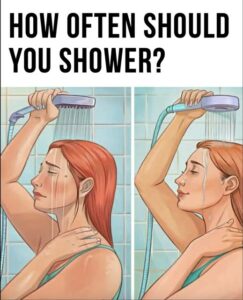
For many people, stepping into a warm shower at the end of a long day feels like one of life’s simplest comforts. The sound of running water, the warmth of steam, and the sensation of washing away sweat or stress can be deeply relaxing. In modern American culture, daily bathing has become a routine part of personal hygiene, often seen as essential for cleanliness, social confidence, and overall health.
However, dermatologists and health researchers have increasingly pointed out that bathing too frequently may actually have unintended effects on the skin and body. While personal hygiene remains important, emerging scientific insights suggest that excessive washing—especially with hot water and strong soaps—can disrupt the skin’s natural protective systems.
The human body is designed with remarkable self-regulating mechanisms. Skin produces oils to maintain moisture, beneficial bacteria form protective communities on its surface, and the immune system interacts with environmental microbes to build resilience. When these systems are repeatedly stripped away through frequent washing, the body may struggle to maintain its natural balance.
This doesn’t mean showers or baths are harmful. Instead, experts emphasize that finding the right balance between cleanliness and skin health is key. For many individuals, especially those with sensitive skin or certain medical conditions, less frequent bathing combined with gentler cleansing methods may actually promote healthier skin.
In this article, we’ll explore:
-
Why the skin’s natural oils and microbiome are essential
-
How excessive bathing can affect temperature regulation and circulation
-
The impact of frequent washing on hair and scalp health
-
The relationship between hygiene habits and immune system development
-
Practical tips from dermatologists for maintaining healthy hygiene routines
Understanding these factors can help people make informed decisions about their daily routines while protecting the body’s natural defenses.

The Hidden Significance of the Skin’s Natural Protection System
Skin: The Body’s Largest Organ
The skin is often thought of simply as an outer covering for the body, but medically it is recognized as the body’s largest and one of its most complex organs.
According to dermatological research, adult human skin covers approximately 20 square feet and performs several essential functions:
-
Protecting internal organs from environmental threats
-
Regulating body temperature
-
Preventing excessive water loss
-
Producing vitamin D when exposed to sunlight
-
Serving as the first line of defense against pathogens
These functions rely heavily on the skin’s natural oils, beneficial microorganisms, and protective outer layer.
When this system is disrupted too frequently, the skin may struggle to maintain its protective capabilities.
The Role of Natural Skin Oils
Human skin contains specialized glands known as sebaceous glands, which produce an oily substance called sebum.
Sebum plays several important roles:
-
Moisturizing the skin naturally
-
Preventing dryness and cracking
-
Protecting hair follicles
-
Supporting the skin’s microbiome
When people shower frequently—particularly with hot water and strong soaps—these oils can be removed faster than the body can replace them.
Dermatology experts note that this process may lead to:
-
Dry or flaky skin
-
Redness and irritation
-
Increased sensitivity to allergens
-
Higher risk of minor skin infections
Health resources such as WebMD and dermatology organizations have noted that stripping the skin of its natural oils can compromise the skin barrier, allowing irritants and microbes to penetrate more easily.
The Skin Microbiome
In recent years, scientists have paid increasing attention to the skin microbiome, the community of beneficial bacteria and microorganisms that live on the skin’s surface.
These microbes are not harmful—in fact, many play a protective role.
They help:
-
Prevent harmful bacteria from colonizing the skin
-
Support immune system responses
-
Maintain the natural acidity (pH) of the skin
Frequent washing with antibacterial soaps or harsh cleansers may disrupt this delicate microbial balance.
While maintaining cleanliness is important, dermatologists emphasize that over-cleansing may reduce beneficial bacteria that help defend against infections.
This insight is part of a broader understanding of how the body interacts with microorganisms in everyday environments.
Practical Implications for Skin Health
Dryness and Irritation
One of the most common consequences of excessive bathing is dry skin, medically known as xerosis.
When hot water and soap repeatedly remove the skin’s natural oils, the protective barrier becomes weakened.
This can lead to:
-
Persistent itching
-
Flaking or peeling
-
Red patches or irritation
-
Increased sensitivity to skincare products
Dry skin can also create tiny cracks in the skin’s surface. These cracks may allow allergens or bacteria to enter, potentially triggering inflammatory reactions or infections.
Dermatologists often recommend limiting the duration of showers and using gentle, fragrance-free cleansers to reduce irritation.
How Hot Water Affects Blood Vessels
Another factor often overlooked in bathing routines is water temperature.
Hot showers feel relaxing because heat causes blood vessels in the skin to expand, increasing circulation. However, frequent exposure to very hot water can have unintended effects.
Possible outcomes include:
-
Temporary drops in blood pressure
-
Dizziness or lightheadedness
-
Increased dryness of the skin
-
Worsening of conditions such as eczema
These effects may be particularly noticeable among older adults or individuals with circulatory conditions.
For this reason, dermatologists and healthcare providers frequently recommend warm rather than hot water during bathing.
Effects on Body Temperature Regulation
The body uses several systems to regulate temperature, including sweating, blood vessel expansion, and insulation from the skin barrier.
Excessive bathing—especially with temperature extremes—may temporarily disrupt this regulation.
For example:
-
Very hot showers may cause rapid heat loss afterward
-
Very cold showers can trigger sudden cardiovascular responses
While occasional temperature changes are generally safe for healthy individuals, frequent extremes may stress the body’s regulatory systems.
Maintaining moderate temperatures during bathing is usually considered the safest approach.
The Impact of Frequent Washing on Hair and Scalp


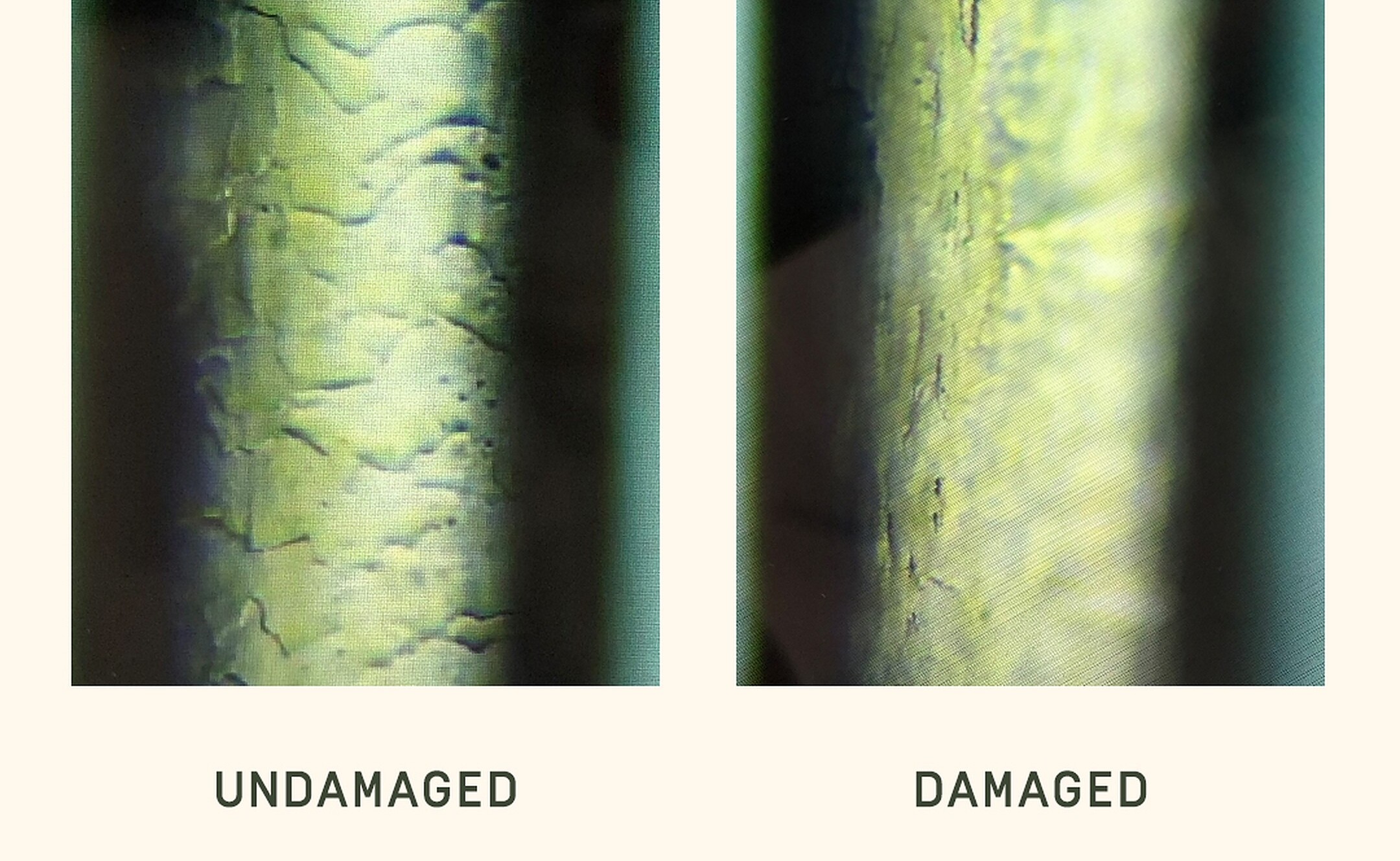
Hair and scalp health are closely connected to skin health. The scalp contains the same types of oil-producing glands found on the rest of the body.
These glands produce sebum that helps:
-
Moisturize hair strands
-
Protect the scalp
-
Maintain hair elasticity and shine
However, daily washing can sometimes disrupt this balance.
Why Daily Hair Washing Can Be Problematic
When hair is washed too frequently with strong shampoos, natural oils are stripped away before they can nourish the hair shaft.
Over time, this may lead to:
-
Dry or brittle hair
-
Increased breakage
-
Frizz or dull appearance
-
Scalp irritation
In response, the scalp may produce even more oil, creating a cycle in which hair becomes greasy quickly and requires even more frequent washing.
Dermatologists often advise that most people only need to wash their hair two to three times per week, though this varies depending on hair type and lifestyle.
Hair Type Matters
Hair care needs differ significantly between individuals.
Factors that influence washing frequency include:
-
Hair texture (curly, straight, thick, or fine)
-
Scalp oil production
-
Physical activity levels
-
Environmental exposure
For example:
-
People with curly or textured hair often benefit from less frequent washing because natural oils take longer to travel down the hair shaft.
-
Individuals with very fine hair may need more frequent cleansing due to faster oil buildup.
Tailoring hair care routines to individual needs helps maintain healthy scalp conditions.
Overwashing and Hair Loss Concerns
Although washing hair does not directly cause hair loss, overwashing can contribute to hair fragility and breakage.
When hair strands become dry and weakened, they may snap more easily during brushing or styling.
Maintaining a balanced washing routine combined with moisturizing conditioners can help protect hair health.
The Hygiene Hypothesis and Immune Health
Understanding the Hygiene Hypothesis
Another intriguing aspect of bathing habits involves the relationship between cleanliness and immune system development.
Scientists have proposed a concept known as the hygiene hypothesis, which suggests that excessive cleanliness may limit exposure to certain microbes that help train the immune system.
According to health researchers cited by organizations such as Harvard Health Publishing, exposure to everyday environmental microorganisms can help the immune system develop “immune memory”, improving its ability to recognize and respond to threats.
While this idea does not suggest abandoning hygiene practices, it highlights the importance of maintaining a balanced relationship with the microbial world.
Microbial Exposure and Immune Development
Throughout human history, people lived in environments with far greater exposure to natural microbes found in soil, plants, and animals.
Modern lifestyles—especially in highly sanitized environments—may reduce these exposures.
Researchers have explored potential links between reduced microbial exposure and rising rates of certain conditions, including:
-
Allergies
-
Asthma
-
Autoimmune disorders
The relationship is complex and still being studied, but many scientists believe moderate exposure to natural microbes plays a role in immune system training.
Why Pediatricians Sometimes Recommend Less Frequent Bathing for Children
In recent years, many pediatricians have adjusted recommendations for bathing infants and children.
While hygiene remains important, daily bathing is not always necessary for young children unless they become visibly dirty or sweaty.
This approach helps:
-
Protect delicate skin from dryness
-
Preserve beneficial skin bacteria
-
Reduce irritation from soaps and shampoos
Children’s skin is thinner and more sensitive than adult skin, making moderation particularly important.
Historical and Cultural Perspectives on Bathing
How Bathing Habits Have Changed Over Time
Human bathing practices have evolved dramatically across cultures and historical periods.
Ancient civilizations such as the Greeks and Romans placed strong emphasis on bathing. Roman bathhouses, for example, served as social gathering spaces as well as hygiene facilities.
However, during certain periods of history—particularly in medieval Europe—bathing became less common due to concerns about disease transmission through shared water sources.
In modern societies, especially in North America, daily bathing became the norm during the 20th century as indoor plumbing became widely available.
This cultural shift reinforced the idea that frequent bathing equals better hygiene.
Modern Hygiene Norms
Today, personal cleanliness plays an important role in professional and social life. Daily showers are often considered standard in many workplaces and public settings.
However, dermatologists emphasize that hygiene does not always require full-body washing every day.
Targeted cleaning of key areas such as:
-
Armpits
-
Face
-
Hands
-
Groin
may be sufficient between full showers for many individuals.
Understanding this distinction helps balance social expectations with skin health.
Tips for Finding a Healthy Bathing Routine
Shower Duration Matters
Experts often recommend keeping showers short—around three to five minutes when possible.
Longer showers expose the skin to extended contact with water and soap, increasing the likelihood of dryness.
Focusing on essential areas rather than scrubbing the entire body can help maintain cleanliness without damaging the skin barrier.
Choose Gentle Cleansers
Not all soaps are created equal.
Harsh antibacterial soaps may remove both harmful and beneficial microbes while stripping natural oils.
Dermatologists frequently recommend:
-
Fragrance-free cleansers
-
Moisturizing body washes
-
Mild soaps designed for sensitive skin
These products help clean the skin while preserving its protective barrier.
Moisturize After Bathing
Applying moisturizer immediately after showering can help restore hydration.
When the skin is slightly damp, moisturizers seal in water and support the natural skin barrier.
Ingredients commonly recommended by dermatologists include:
-
Ceramides
-
Glycerin
-
Hyaluronic acid
These substances help maintain skin hydration and elasticity.
Adjust Your Routine to Your Lifestyle
Bathing frequency should reflect individual circumstances.
People who exercise regularly, work outdoors, or sweat heavily may need more frequent showers.
Others who spend most of their time indoors in climate-controlled environments may not require daily bathing.
Listening to your body’s needs and adjusting routines accordingly helps maintain balance.
Additional Health Insights Related to Skin Care
Understanding skin health often leads to broader awareness of overall wellness.
Related topics that many health experts emphasize include:
-
The importance of sunscreen for skin protection
-
Hydration and its effect on skin elasticity
-
The relationship between diet and skin health
-
Stress management and inflammatory skin conditions
Together, these factors influence how skin looks and functions over time.
Conclusion
Showering and bathing remain essential components of personal hygiene, but modern research suggests that more isn’t always better.
Frequent washing—especially with hot water and strong soaps—can disrupt the skin’s natural oils, beneficial bacteria, and protective barrier.
Over time, this may contribute to dryness, irritation, and other skin concerns.
By adopting a balanced approach to bathing—using warm water, gentle cleansers, shorter showers, and proper moisturization—people can maintain both cleanliness and healthy skin.
The goal is not to abandon hygiene habits but to work with the body’s natural systems rather than against them.
Sometimes, allowing the skin to maintain its own protective balance is one of the most effective ways to support long-term health.
Understanding these principles empowers individuals to make informed decisions about their daily routines—ensuring that the simple comfort of a shower remains both refreshing and beneficial.