Introduction: The Mystery of Aluminum Foil
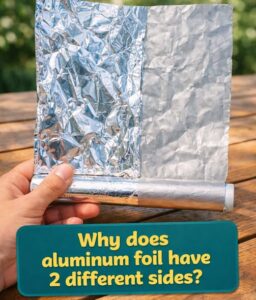
Aluminum foil, often seen in kitchens across the world, is one of those household items that most of us use regularly without giving it a second thought. Whether you’re wrapping leftovers, lining a baking sheet, or covering a dish for cooking, aluminum foil is a go-to tool that makes our lives easier. However, there’s a long-standing question that many people have wondered about: Why is aluminum foil shiny on one side and matte on the other?
If you’ve ever found yourself staring at a roll of foil, trying to decide which side is the “right” one to use, you’re not alone. It’s a seemingly simple question with a surprisingly straightforward answer that has to do with the way aluminum foil is manufactured. Let’s dive deep into the reasons behind the shiny versus dull side of aluminum foil, explore how it’s made, and determine if it really matters which side you use in your cooking and food storage.
Aluminum Foil Production: A Behind-the-Scenes Look
To understand why aluminum foil is shiny on one side, we first need to explore how it’s made. Aluminum foil starts as a large sheet of metal, typically made from high-purity aluminum. The production process involves several steps, including rolling the metal into thin sheets.
The reason for the two distinct sides of foil (shiny and dull) comes from how the aluminum is milled. During the manufacturing process, two layers of aluminum are pressed together and passed through rollers. These rollers work at an extremely high pressure, squeezing the metal into thinner and thinner sheets. At this point, the two layers of foil are still in contact with one another, and the side where the two layers are touching ends up being the dull side. The other side, which isn’t in contact with another layer of aluminum during milling, retains a shiny appearance. This difference in surface texture happens due to the friction between the metal sheets during the rolling process.
The Science Behind the Shiny and Dull Sides of Aluminum Foil
When aluminum foil is created, it’s rolled to such a thin state that even the smallest contact with another surface can affect its appearance. In simple terms, the difference between the shiny and matte sides is the result of how the foil is rolled during manufacturing.
-
Shiny Side: The shiny side of aluminum foil is produced when one layer of metal comes into contact with the rollers, while the other side is exposed to air. This causes the surface to become smooth and reflective, creating the glossy finish we associate with aluminum foil. The reason for this is that the metal has been compressed and flattened in a way that allows light to bounce off the surface.
-
Dull Side: The dull side, on the other hand, is created when two layers of aluminum are pressed together. Since the surfaces of the foil sheets are in contact with each other, they become rougher, leading to a more matte finish. The friction between the two layers reduces the light reflection, resulting in a less shiny appearance.
This difference in surface texture doesn’t impact the quality or functionality of the foil. The two sides are virtually identical in terms of material properties, meaning that both the shiny and dull sides are equally effective for tasks like cooking, wrapping, or storing food. However, the production method does have an impact on the way the foil looks and how it interacts with light.
Does It Matter Which Side of Aluminum Foil You Use?
Now that we understand the manufacturing process behind the shiny and dull sides of aluminum foil, you may be wondering: Does it really matter which side you use when cooking or storing food? The simple answer is no, not really. The choice between using the shiny side or the dull side is entirely up to you and does not affect the performance of the foil in any significant way.
-
Heat Reflection: While it’s true that aluminum foil has the ability to reflect heat and light, the difference between the shiny side and the dull side isn’t significant enough to make a major impact on cooking results. The shiny side does reflect slightly more heat than the dull side, but the difference is minimal and unlikely to influence cooking outcomes in any noticeable way.
-
Use in Cooking: Whether you use the shiny side or the dull side when wrapping food, lining baking sheets, or covering dishes, the foil will work in the same way. There’s no need to worry about which side faces outward, as both sides have the same basic properties and will perform equally well for most cooking tasks.
-
Storage and Preservation: The same rule applies when using aluminum foil for storing food. Whether you’re wrapping leftovers or covering a dish to keep it fresh, the foil will do its job effectively regardless of which side is facing outward. The primary function of aluminum foil in food storage is to create a seal that prevents moisture loss, and both sides are equally capable of achieving this goal.
Practical Uses of Aluminum Foil in Cooking and Food Storage
Aluminum foil is an incredibly versatile material that serves many practical purposes in the kitchen. Whether you’re an experienced chef or just someone who loves to cook at home, knowing the different ways to use aluminum foil can help you maximize its usefulness. Here are some common applications of aluminum foil in the kitchen:
1. Cooking and Baking
Aluminum foil is widely used in cooking, particularly when baking or roasting. The foil helps to retain heat, speed up cooking times, and evenly distribute heat around the food. Here are some of the most common uses of aluminum foil in cooking:
-
Roasting Meat or Vegetables: Wrapping meat or vegetables in aluminum foil helps trap moisture, ensuring they cook evenly and remain tender. For a crispy texture, you can place the shiny side facing out to reflect heat onto the food’s surface.
-
Baking and Roasting Fish: Fish can dry out easily, but wrapping it in foil helps lock in moisture. Whether you’re baking a whole fish or preparing fillets, aluminum foil can ensure the fish stays moist and flavorful.
-
Cooking on the Grill: Aluminum foil is perfect for grilling delicate items like fish, vegetables, or even small pieces of meat. The foil helps prevent the food from sticking to the grill while retaining heat and moisture.
2. Food Storage
Aluminum foil is a great option for storing food, whether you’re looking to preserve leftovers or wrap up a meal to take with you. The foil helps to maintain the freshness of food by preventing air and moisture from seeping in.
-
Wrapping Leftovers: After a meal, aluminum foil can be used to wrap leftovers, preventing them from drying out in the fridge. The foil helps keep food sealed and fresh for several days.
-
Freezing Food: Aluminum foil is also useful for freezing food. Wrap items tightly in foil before placing them in the freezer to prevent freezer burn and preserve the food’s flavor and texture.
3. Other Creative Uses
Beyond cooking and food storage, aluminum foil can also be used for a variety of other household tasks. Here are a few unexpected uses:
-
Cleaning: Aluminum foil can be scrunched into a ball and used as a scrubbing tool to clean pots and pans. It’s especially useful for removing rust or built-up grime.
-
Sharpening Scissors: If your scissors are dull, simply cut through a few layers of aluminum foil to help sharpen the blades.
-
Craft Projects: Aluminum foil can be used in various arts and crafts projects. Its malleability makes it easy to shape and mold, whether you’re creating sculptures or other decorative items.
Why Some People Prefer One Side Over the Other
While it’s true that both the shiny and dull sides of aluminum foil are interchangeable in terms of functionality, some people may have a preference for one side over the other. This preference often comes down to personal choice, habits, or a belief that one side works better for certain tasks.
-
Shiny Side for Cooking: Some people believe that the shiny side of the foil reflects heat more effectively, and thus prefer to use it when cooking, especially when they want a crispy surface or are roasting food at high temperatures.
-
Dull Side for Wrapping: Others prefer to use the dull side when wrapping food for storage or freezing, thinking that the matte surface might adhere better to the food and create a tighter seal.
In reality, there is no significant difference between the two sides, but the choice often depends on tradition or personal preference. As long as the foil is used properly, the results will be the same regardless of which side is facing out.
Conclusion: A Small Detail with Big Impact
In the grand scheme of things, the difference between the shiny and dull sides of aluminum foil is a small one. But it’s an interesting example of how a minor manufacturing process leads to a seemingly insignificant detail that has become a topic of curiosity for many people.
Whether you use the shiny side or the dull side, rest assured that aluminum foil will work just as effectively for your cooking, baking, and food storage needs. The real takeaway here is that aluminum foil is one of those everyday items that, despite its simplicity, plays a crucial role in our daily lives. It’s a small detail that’s part of a larger process, and understanding its origins adds a layer of appreciation for the things we often take for granted in our kitchens.
So, next time you unroll a sheet of foil, you’ll know exactly why one side shines and the other is matte. And while it may not change the way you cook, it might just make you appreciate the subtle engineering behind this household staple a little bit more.