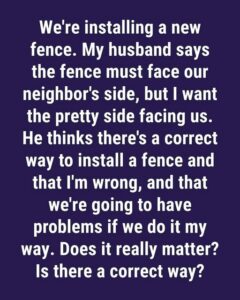
When I first started planning to install a brand-new backyard fence, I kept hearing the same piece of advice from friends, family, and even strangers at the hardware store: “Always put the finished side toward your neighbor.” People said it with such confidence that it sounded like a law of nature. Of course the nice side faces out. Of course you don’t show your neighbor the rails and posts. That’s just how it’s done.
But the more I thought about it, the more I started to question it. Was this actually a legal requirement? Or was it simply one of those widely accepted “rules” that gets passed down from one homeowner to another without anyone ever checking the facts?
So I did what any mildly obsessive future fence-owner would do: I started researching. I looked into local ordinances, read HOA guidelines, spoke to contractors, and even called my city’s zoning department. What I discovered was much more nuanced than the simple advice I’d been given.
If you’re planning to install a fence—or you’re in a disagreement with a neighbor about one—here’s what you really need to know about which side of the fence must face the neighbor.
Understanding the “Finished” vs. “Unfinished” Side
Before diving into rules and laws, it’s important to understand what people mean when they talk about the “finished” or “good” side of a fence.
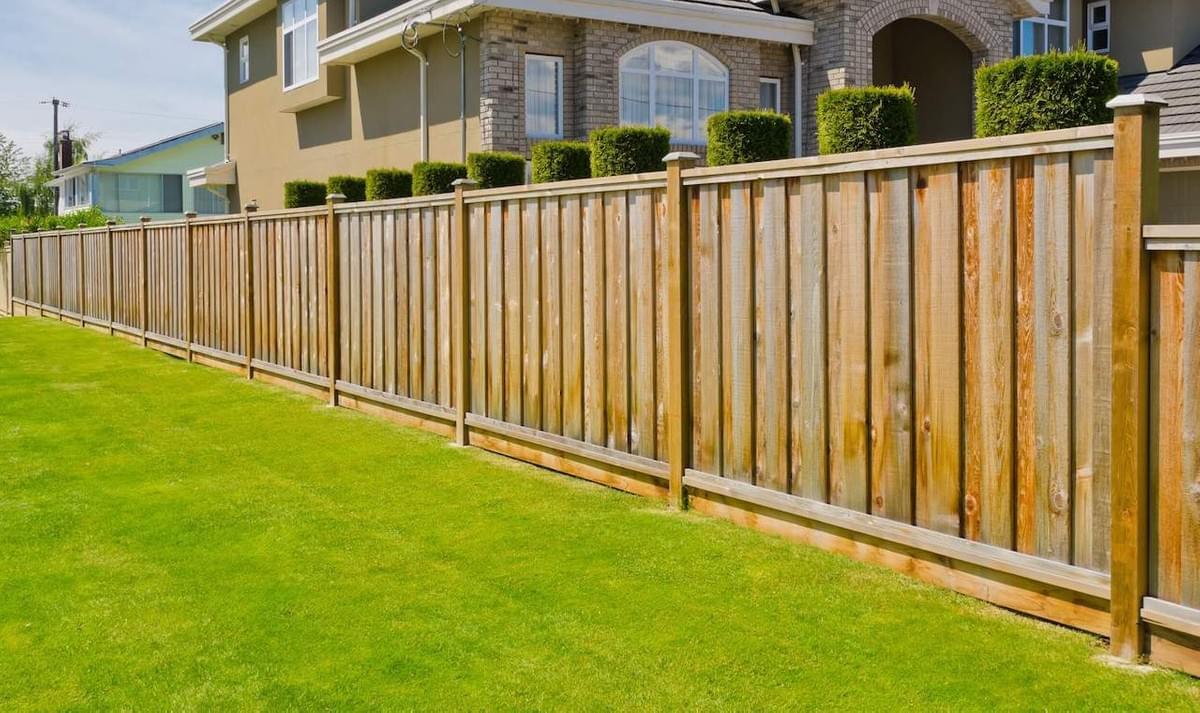
In most traditional wooden privacy fences, one side looks smooth and uniform. You see evenly spaced pickets, clean lines, and no visible structural supports. This is typically called the finished side.
The other side shows the skeleton of the fence: horizontal rails, support beams, and vertical posts. This is often referred to as the back, inside, or unfinished side.
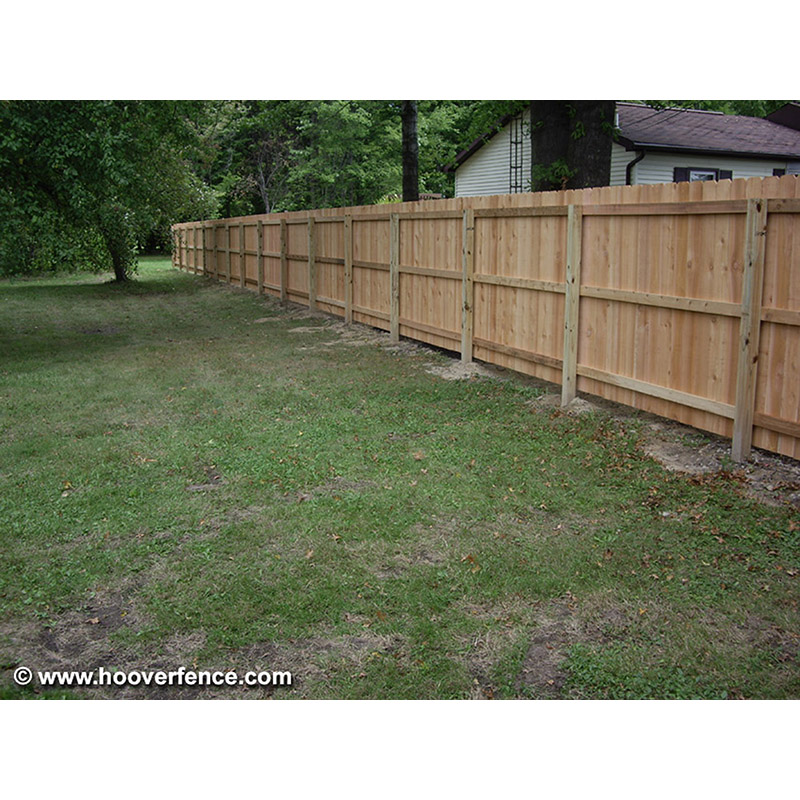

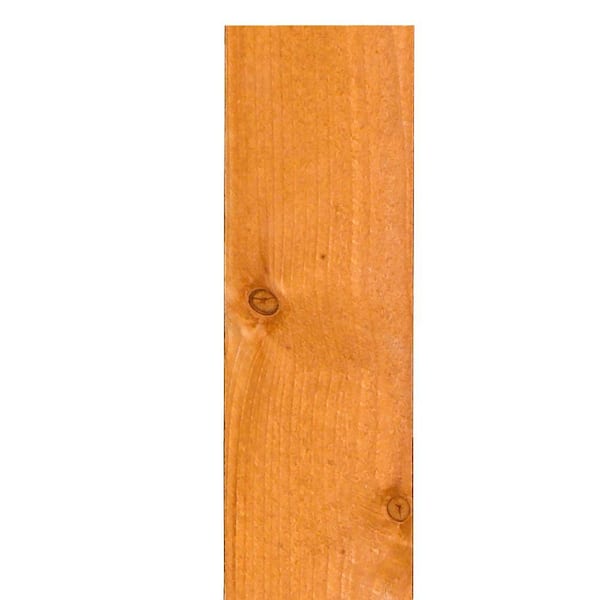
In many basic fence designs, the pickets are attached to horizontal rails that run along the interior-facing side. From one direction, the fence looks polished and uniform. From the other, it clearly reveals how it’s built.
This difference is what causes tension between neighbors. If you place the “pretty” side facing your yard and the structural side facing your neighbor’s property, they’re stuck looking at the less attractive version every day. That’s where the debate begins.
Where Did the “Neighbor-Facing” Rule Come From?
The idea that the finished side must face the neighbor isn’t random. It comes from long-standing social etiquette.
Historically, fences were seen as boundary markers but also as gestures of goodwill. If you were paying to install a fence between your property and your neighbor’s, it was considered courteous to face the finished side outward. Even though you paid for it, you didn’t want to burden your neighbor with the less attractive view.
It was essentially an unspoken agreement:
“If I’m building it, I’ll make sure it looks nice from your side.”
In suburban neighborhoods—where homes are close together and everyone sees everyone’s yard—this courtesy became common practice. Over time, it turned into what many people now believe is a hard rule.
But etiquette and law are not the same thing.
Is It Actually a Legal Requirement?
Here’s the part that surprised me the most: in most places, there is no universal law requiring the finished side of a fence to face the neighbor.
When I contacted my local building department, they confirmed that the municipal code did not specify fence orientation. There were regulations about:
-
Maximum fence height
-
Setback requirements
-
Distance from sidewalks
-
Visibility near intersections
-
Permits
But nothing about which side had to face outward.
That said, there are exceptions. Some municipalities and homeowners associations (HOAs) do have rules about fence orientation. In certain neighborhoods, especially planned communities, the finished side must face:
-
The street
-
A public sidewalk
-
Common areas
-
Adjacent properties
HOAs, in particular, are more likely to regulate appearance. Their goal is uniformity and curb appeal, so they may mandate that the finished side faces outward to maintain visual consistency.
The only way to know for sure is to check:
-
Your local zoning ordinances
-
HOA guidelines (if applicable)
-
Building permit requirements
-
Property survey documents
There is no nationwide standard. It truly depends on where you live.
Fence Ownership: Why It Changes Everything
Ownership plays a major role in fence decisions.
If you build a fence entirely inside your property line, even just a few inches inward, it’s generally considered your fence. In that case, you typically have the right to decide which direction it faces—unless local ordinances or HOA rules say otherwise.
But if the fence sits directly on the property line, it may be considered a shared or boundary fence.
In many areas, boundary fences involve shared responsibility. That can include:
-
Shared construction costs
-
Shared maintenance
-
Shared repair obligations
-
Joint decision-making
In some jurisdictions, these are legally referred to as “partition fences” or “boundary fences,” and there may be specific laws governing them.
If you and your neighbor split the cost, it makes sense to discuss orientation before construction begins. It’s much easier to agree ahead of time than to argue after the posts are set in concrete.
If I could give one strong piece of advice here: put agreements in writing. Even a simple written understanding can prevent years of confusion and resentment.
When the Finished Side Doesn’t Face the Neighbor
The “always face the neighbor” advice starts to fall apart once you look at real-world scenarios. There are many legitimate reasons someone might orient their fence differently.
1. Good Neighbor Fences
Some modern fence designs eliminate the problem entirely.
A “good neighbor” fence alternates pickets on both sides or uses interlocking panels so that both sides look identical. Neither homeowner sees exposed rails.
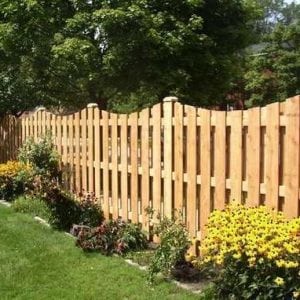
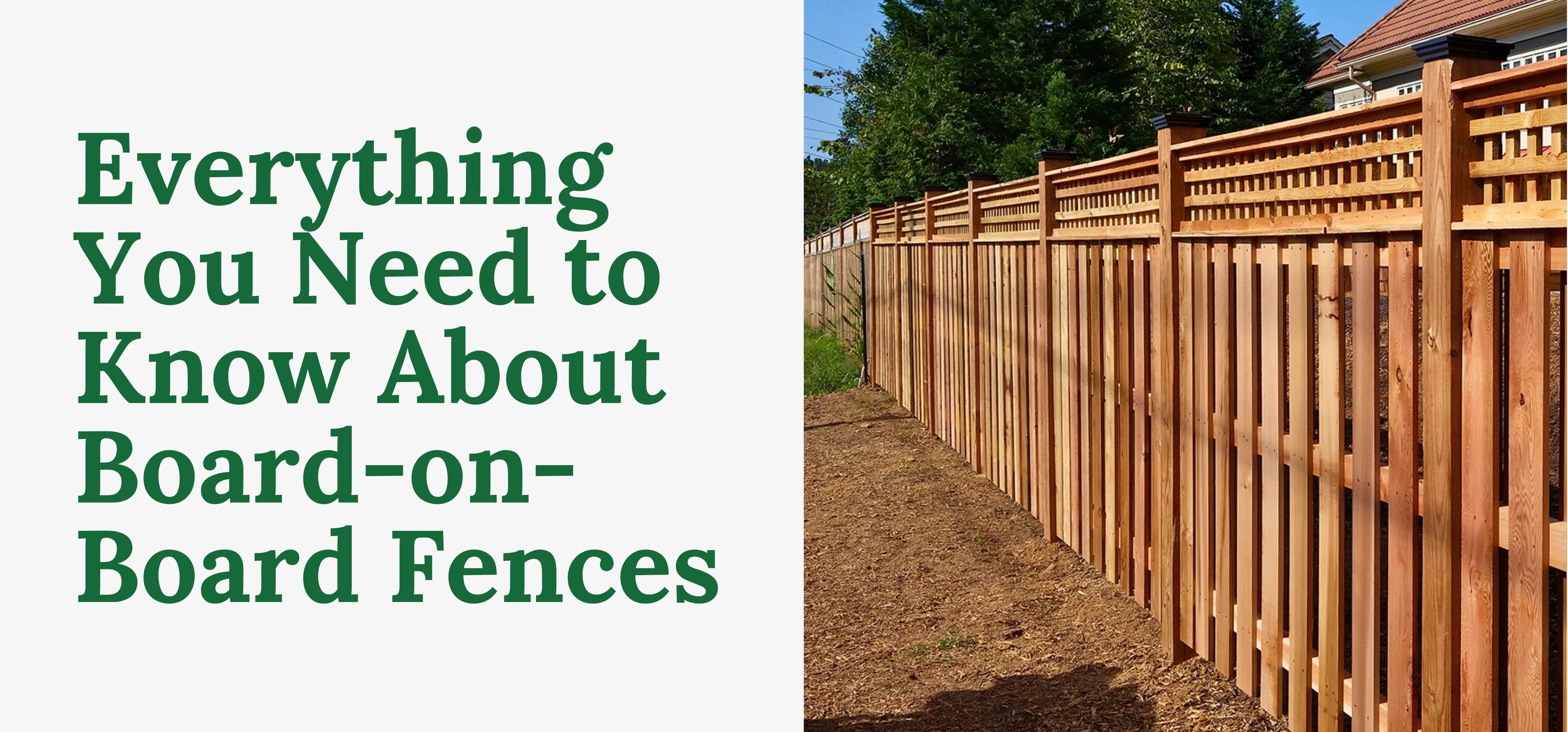
This design removes the question of which side faces whom because both sides are equally finished.
2. Security Considerations
If the horizontal rails are on the inside of the yard, they can act like a ladder. Some homeowners intentionally place rails on the inside to make the fence harder to climb from the outside.
In that case, the finished side may face outward for security reasons.
3. Sloped Terrain
On uneven or sloped land, fence panels may need to be stepped or angled. Structural support requirements can influence which side must hold the rails.
4. Obstructions
Trees, sheds, landscaping, and existing structures sometimes limit installation options. The orientation may simply be dictated by physical constraints.
5. Budget Limitations
Not all fences are built the same way. Some lower-cost panels only have one finished side. A homeowner working within budget may prioritize cost over symmetry.
6. Street-Facing Requirements
Some cities require the finished side to face public streets for aesthetic reasons. In corner lots, this can create complicated orientation decisions.
Aesthetic and Social Considerations
Even when not legally required, orientation matters socially.
Fences are highly visible. They define the line between “mine” and “yours.” That line can either create harmony or tension.
Facing the finished side toward your neighbor:
-
Demonstrates courtesy
-
Reduces potential complaints
-
Maintains neighborhood appearance
-
Encourages goodwill
But courtesy is a two-way street. If a neighbor demands orientation without sharing cost or cooperation, that becomes a different conversation.
In my experience, a five-minute friendly discussion can prevent months of silent resentment.
What About Property Lines?
Before building any fence, confirm your property boundaries.
Never assume the old fence marks the exact line. Over time, fences shift, are rebuilt, or were incorrectly placed to begin with.
If you build even slightly over the property line, you could face:
-
Legal disputes
-
Forced removal
-
Survey costs
-
Delays
A professional survey may cost money upfront, but it can save enormous headaches later.
How HOAs Change the Equation
Homeowners associations often have stricter aesthetic standards than cities.
An HOA might dictate:
-
Fence material (wood, vinyl, metal)
-
Height
-
Color
-
Orientation
-
Style consistency
If you ignore HOA rules, you may face fines or be required to rebuild the fence at your own expense.
Always check HOA covenants before signing a fence contract.
Special Situations: Corner Lots and Public Spaces
Corner properties can complicate orientation decisions.
If your yard borders both a neighbor and a street, local rules may require the finished side to face the public roadway. That may mean your neighbor ends up seeing the structural side.
In these cases, you may not have a choice. Compliance with municipal code takes priority over etiquette.
Material Matters: Not All Fences Have a “Back”
Wood fences commonly have distinct front and back sides.
But other materials behave differently.
Vinyl Fences
Many vinyl privacy fences are designed to look identical on both sides.
Aluminum or Wrought Iron Fences
These often look the same from either direction.
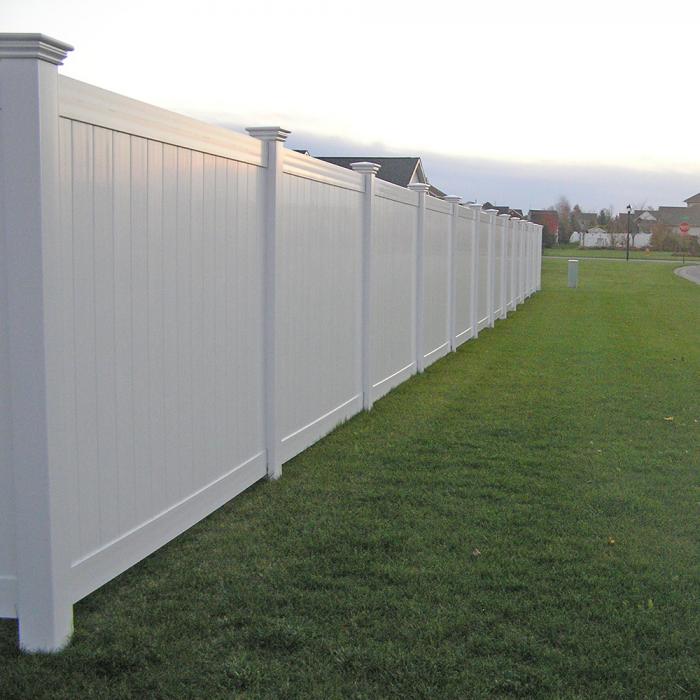
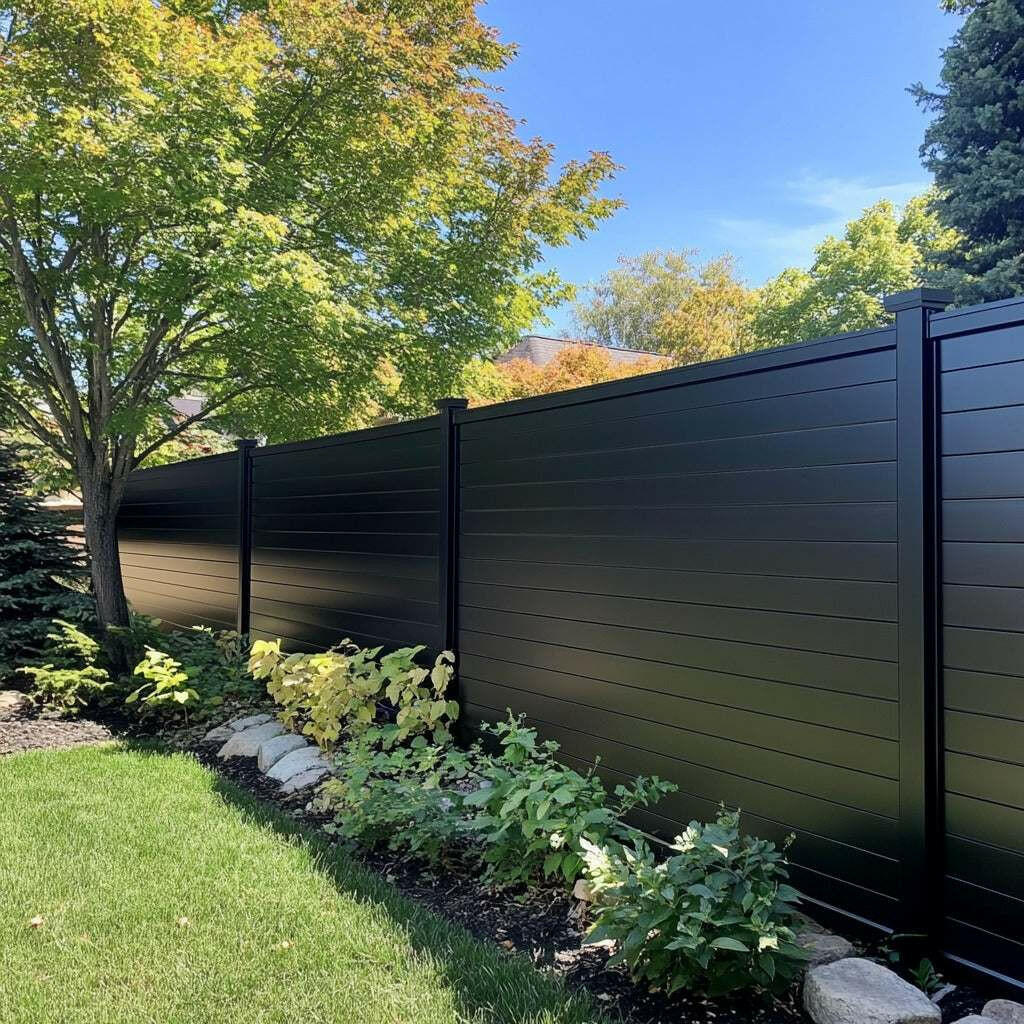

When materials eliminate the “good side vs. bad side” issue, disputes become far less common.
Best Practices Before Installing a Fence
If I could go back and give myself advice before starting the process, here’s what I’d say:
-
Check local ordinances and permits.
-
Review HOA rules (if applicable).
-
Confirm property lines with documentation or a survey.
-
Talk to your neighbor before construction begins.
-
Consider long-term maintenance and appearance.
-
Put shared agreements in writing.
These simple steps can prevent misunderstandings that might otherwise linger for years.
So… Which Side Must Face the Neighbor?
After all my research, here’s the honest answer:
Usually, the finished side faces outward toward the neighbor or street.
But it is not universally required by law.
Sometimes it’s mandated by local ordinance.
Sometimes it’s dictated by HOA rules.
Sometimes it’s simply etiquette.
And sometimes it doesn’t apply at all.
There is no single rule that applies everywhere.
If you’re unsure, lean toward courtesy—but confirm legality first.
A well-built fence defines property lines.
A respectful conversation defines good neighbors.
In the end, a fence may create privacy.
But communication creates peace.