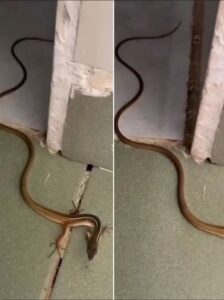
Finding a snake inside your home can be an unsettling experience. Whether it appears in a quiet corner of your garage or unexpectedly in a living space, the moment often brings a mix of surprise, concern, and immediate questions. Why did it come inside? Is it dangerous? What should you do next?
While the situation can feel alarming, it’s important to understand that snakes do not enter homes with intent toward people. Their behavior is driven by simple survival needs—seeking shelter, food, or a stable environment. With the right knowledge, what initially feels like a frightening encounter can quickly become a manageable and even educational experience.
This comprehensive, reader-friendly guide explains why snakes enter homes, what to do if you encounter one, and how to prevent future visits, all while keeping safety and practicality at the forefront.
Why Do Snakes Enter Homes?
Snakes are a natural part of many ecosystems, and their movements are guided by instinct rather than intention. When one finds its way indoors, it is usually responding to environmental conditions rather than seeking human interaction.
Understanding these reasons can help reduce fear and replace it with clarity.

1. Searching for Shelter
Snakes are cold-blooded animals, meaning they rely on external temperatures to regulate their body heat. Because of this, they are constantly seeking environments that provide comfort and stability.
Your home may unintentionally offer exactly what they need:
- Warmth during colder months
- Cooler, shaded areas during hot weather
- Protection from predators
- Quiet, undisturbed spaces
Areas like basements, crawl spaces, garages, and storage rooms are especially attractive because they are rarely disturbed and often provide ideal temperature conditions.
2. Following a Food Source
Another common reason snakes enter homes is the presence of prey. Snakes play an important role in controlling populations of small animals, and they tend to go where food is available.
Common food sources include:
- Mice and rats
- Small insects
- Frogs or lizards
- Bird nests or eggs in certain environments
If your home or yard has a rodent problem, it may indirectly attract snakes. In these cases, the snake is not interested in people—it is simply following its natural food chain.
3. Proximity to Natural Habitats
Homes located near natural environments are more likely to experience occasional wildlife encounters, including snakes.
These areas may include:
- Wooded or forested regions
- Open fields or farmland
- Lakes, rivers, or wetlands
- Overgrown gardens or vacant lots
In such settings, snakes are part of the surrounding ecosystem, and occasional sightings are normal.
4. Easy Access Through Small Openings
One of the most surprising facts about snakes is how little space they need to enter a structure. Many species can slip through very small gaps that often go unnoticed.
Common entry points include:
- Gaps under doors
- Cracks in foundations or walls
- Open or poorly sealed windows
- Vents, pipes, or drainage openings
Even well-maintained homes can have small vulnerabilities that allow entry.
Common Myths About Snakes Indoors
When people encounter a snake inside their home, it’s natural to look for explanations. However, many widely shared beliefs are based on myths rather than facts.
Myth 1: A Snake Means Good or Bad Luck
There is no scientific evidence linking snake sightings to luck, fortune, or personal events. These ideas come from cultural traditions rather than environmental science.
Myth 2: Snakes Enter Homes to Harm People
Snakes generally avoid human contact. Most species prefer to escape rather than confront people. If a snake is indoors, it is almost always there by accident or due to environmental factors.
Myth 3: One Snake Means There Are Many More
Seeing a single snake does not necessarily indicate an infestation. Most encounters are isolated and do not suggest a larger presence.
What to Do If You Find a Snake in Your Home
If you encounter a snake indoors, your response plays a critical role in keeping the situation safe.
Step 1: Stay Calm
Your initial reaction matters. Sudden movements or panic can escalate the situation and stress the animal.
Take a breath and remain still.
Step 2: Keep a Safe Distance
Do not attempt to touch or handle the snake. Even non-venomous species may act defensively if they feel threatened.
Maintain a clear distance and observe from afar.
Step 3: Contain the Area
If possible:
- Close doors to limit the snake’s movement
- Keep pets and children away
- Monitor its location without approaching
This helps prevent it from moving deeper into your home.
Step 4: Call Professionals
The safest and most effective solution is to contact trained experts, such as:
- Animal control services
- Wildlife rescue organizations
- Licensed pest control professionals
These individuals have the proper tools and experience to remove the snake safely and humanely.
Step 5: Avoid DIY Removal
Attempting to remove a snake without training can be risky. Identifying species is not always easy, and even experienced individuals take precautions.
Professional assistance is always the best option.
How to Prevent Snakes from Entering Your Home
Prevention is the most effective way to reduce the likelihood of future encounters. By making your home less accessible and less appealing, you can significantly lower the risk.
1. Seal Entry Points
Carefully inspect your home for openings and seal them properly.
Prevention tips include:
- Install weather stripping under doors
- Seal cracks in walls and foundations
- Add screens to vents and windows
Even small gaps can make a difference.
2. Eliminate Food Sources
Since snakes are often drawn by prey, controlling pests is essential.
Steps to take:
- Store food in sealed containers
- Keep trash bins tightly closed
- Address rodent issues quickly
Reducing prey reduces the likelihood of attracting predators.
3. Maintain Your Yard
Your outdoor space plays a major role in attracting or deterring wildlife.
Keep it tidy by:
- Mowing grass regularly
- Trimming bushes and shrubs
- Removing piles of wood, leaves, or debris
A clean yard is less inviting to snakes and their prey.
4. Reduce Moisture
Water sources can attract both snakes and the animals they feed on.
To minimize this risk:
- Fix leaks promptly
- Avoid standing water
- Improve drainage around your home
Understanding Snake Behavior
Learning how snakes behave can help reduce fear and improve your response during an encounter.
Snakes Prefer to Avoid Humans
Most snakes are naturally cautious. Their instinct is to retreat rather than engage.
Defensive Behavior
If threatened, a snake may:
- Coil its body
- Make warning sounds
- Attempt to move away quickly
These actions are defensive—not aggressive.
Identification Should Be Left to Experts
While some snakes are harmless and others are venomous, proper identification can be difficult.
For safety:
- Treat all snakes with caution
- Avoid guessing species
- Rely on professionals for identification
When to Take Extra Precautions
While most encounters are manageable, certain situations require immediate attention:
- The snake appears injured
- Its behavior seems unusual
- You cannot identify the species
- It is located in a high-traffic area of the home
In these cases, contacting professionals right away is essential.
The Role of Snakes in the Ecosystem
Despite their reputation, snakes are incredibly beneficial to the environment.
They help control populations of:
- Rodents
- Insects
- Other small animals
This natural balance can actually benefit homeowners by reducing pests.
Educating Your Household
Preparation can make a significant difference in handling these situations safely.
Teach family members to:
- Stay calm if they see a snake
- Avoid approaching or touching it
- Notify an adult immediately
Education reduces panic and promotes safe behavior.
Long-Term Prevention Strategies
Consistency is key when it comes to preventing wildlife encounters.
Develop habits such as:
- Regular home inspections
- Routine yard maintenance
- Prompt repairs of cracks or gaps
- Awareness of seasonal changes
Over time, these efforts create a safer and more secure environment.
Keeping the Situation in Perspective
While finding a snake indoors can feel alarming, it’s important to remember that these encounters are usually rare and manageable.
In most cases, the snake is simply reacting to its environment—not seeking interaction.
Understanding this helps shift your mindset from fear to awareness.
Final Thoughts
A snake entering your home may be unexpected, but it is rarely a cause for panic. These situations are typically driven by practical needs such as shelter, food, or access through small openings.
The key takeaways are simple:
- Snakes enter homes for natural, environmental reasons
- Staying calm and keeping distance is essential
- Professional help ensures safe removal
- Preventive measures significantly reduce future encounters
With the right knowledge and preparation, you can handle these situations confidently while maintaining a safe and comfortable home.
Sometimes, understanding is the most powerful tool—and in this case, it turns fear into control.