Summer brings long days and fun outdoor activities, but it also brings with it a range of pests like mosquitoes, ticks, and now, the assassin bug. While this insect may not be as well-known as others, its bite can pose serious health risks. If you’re aware of what to do if bitten, you can better protect yourself and those around you from potential harm.
Understanding the Assassin Bug: A Silent Threat
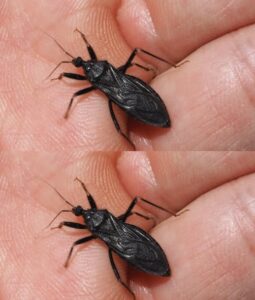
The assassin bug, often referred to as the “kissing bug,” is a blood-feeding insect that’s becoming more common, especially in the southern United States. These insects are typically found in areas like gardens, under porches, and sometimes inside homes. They are most active during the warmer months, so it’s important to take precautions during summer.
Like many blood-feeding insects, assassin bugs bite humans and animals, but they have a distinct way of feeding. After biting, they tend to defecate on the bite site, transferring parasites from their digestive systems to the person or animal they’ve bitten. This process can lead to Chagas disease, a serious illness that requires prompt attention.
Why Should You Be Concerned About Assassin Bug Bites?
Assassin bug bites are a serious concern because of the potential for Chagas disease, which is transmitted through the bug’s feces. Although not everyone who gets bitten will show symptoms, the consequences can be severe if the disease goes untreated.
Chagas disease can cause a variety of symptoms, ranging from mild to severe, including:
-
Fever
-
Headaches
-
Rashes
-
Fatigue
-
Vomiting
While some people may experience noticeable symptoms soon after being bitten, many others might not show any signs at all. However, even without symptoms, the infection can continue to grow, eventually affecting the heart and causing more severe complications. In extreme cases, Chagas disease can be fatal, making early detection and treatment crucial.
Steps to Take After Being Bitten by an Assassin Bug
If you believe you’ve been bitten by an assassin bug, don’t panic—there are clear steps you can take to ensure your safety:
1. Wash the Area Thoroughly
As soon as you notice a bite, wash the area with soap and water. This helps remove any potential parasites from the skin and reduces the risk of infection. Gently pat the area dry with a clean towel.
2. Look for Other Symptoms
Pay attention to any signs of illness that might develop, such as fever, fatigue, or rashes. If you start noticing unusual symptoms, it’s important to seek medical attention promptly.
3. See a Doctor
If you suspect you’ve been bitten by an assassin bug, make an appointment with your doctor immediately. Your doctor may order a blood test to determine if you have contracted Chagas disease. Early detection is essential to making treatment more effective.
4. Seek Early Treatment
The sooner Chagas disease is diagnosed, the easier it is to treat. Depending on the severity of the infection, your doctor may prescribe medication to help manage the disease and prevent it from spreading further. Delayed treatment can lead to long-term health problems, so don’t hesitate to seek medical care if you have concerns.
Preventing Assassin Bug Bites
While you can’t entirely eliminate the risk of being bitten by an assassin bug, there are steps you can take to minimize your chances:
1. Maintain a Clean Yard
Assassin bugs like to hide in areas with debris, such as piles of leaves, branches, or old furniture. Keeping your yard clean by removing debris and trimming plants can make your home less appealing to these insects.
2. Install Screens on Windows and Doors
Ensure that your windows and doors are properly sealed with screens to prevent insects from entering your home. This is especially important at night when these bugs are most active.
3. Wear Protective Clothing
When spending time outdoors, especially in areas where assassin bugs are common, wear long-sleeved shirts and long pants to reduce exposed skin. This will make it harder for the bugs to bite you.
4. Use Insect Repellents
Insect repellents can help keep assassin bugs and other pests at bay. Look for repellents that are effective against a wide range of insects, including ticks, mosquitoes, and assassin bugs. Make sure to follow the instructions on the label to ensure proper use.
Where Assassin Bugs Are Found
Assassin bugs are typically found in warm climates, particularly in southern parts of the United States. They are often seen in gardens, under porches, and near other sheltered areas. They tend to be most active at night when they seek out their next meal. While it’s not always possible to avoid these insects completely, taking preventive measures can reduce your chances of a bite.
How to Get Rid of Assassin Bugs
If you’ve noticed assassin bugs in your home or garden, here are a few steps you can take to eliminate them:
1. Use Insecticides
Insecticides designed for outdoor use can help keep assassin bugs and other pests at bay. Be sure to choose a product that’s safe for use around pets and children, and follow all safety instructions on the label.
2. Seal Cracks and Gaps
Check your home for cracks and gaps around windows, doors, and other entry points. Sealing these gaps will help prevent assassin bugs from making their way indoors.
3. Remove Hiding Spots
Assassin bugs often seek out areas where they can hide, such as under furniture or in piles of debris. Keep your home and garden free of clutter to reduce places where these insects can take refuge.
When to Be Concerned
While assassin bugs can be unsettling, it’s important to remember that not every bite will result in Chagas disease. In fact, most people who are bitten by these insects won’t develop symptoms at all. However, if you notice any unusual symptoms like fever, fatigue, or rashes, it’s essential to seek medical attention as soon as possible.
Chagas disease is a serious condition that requires prompt treatment. The earlier you seek medical help, the better your chances of avoiding long-term health problems.
The Importance of Early Detection and Treatment for Chagas Disease
When it comes to Chagas disease, the key to preventing serious complications is early detection. While many people may not show symptoms immediately after being bitten by an assassin bug, the disease can still be progressing in the background. This is why it’s so crucial to remain vigilant about potential symptoms and seek medical attention at the first sign of illness.
If you’re living in or traveling to areas where assassin bugs are common, it’s wise to keep an eye on your health and take note of any unusual symptoms that might develop, even if they seem mild. Some individuals might experience symptoms months or even years after the initial infection. Without timely treatment, Chagas disease can lead to severe heart complications, which can be life-threatening. By recognizing the signs early, you can prevent the disease from advancing to a more dangerous stage.
The Long-Term Effects of Chagas Disease
Chagas disease can remain asymptomatic for years, which is why it is often called a “silent” infection. The acute phase, during which a person might experience fever, fatigue, or swelling at the bite site, typically resolves within a few weeks. However, the disease can progress into a chronic phase where serious complications arise, particularly affecting the heart and digestive system.
In the chronic phase of Chagas disease, patients may develop heart problems such as arrhythmias, heart failure, and even sudden cardiac death. The disease can also cause gastrointestinal issues, such as enlargement of the esophagus or colon, leading to difficulty swallowing or bowel problems.
One of the most worrying aspects of Chagas disease is that it often goes unnoticed until significant damage has been done. Early treatment with antiparasitic medications can significantly reduce the severity of the disease and prevent long-term damage. This makes it even more important to get tested and treated as soon as possible after an assassin bug bite.
Protecting Pets from Assassin Bugs
While the focus of many discussions about assassin bug bites tends to be on humans, it’s also important to remember that pets can be vulnerable to these insects as well. Dogs and cats are often outdoors or near windows and doors, where assassin bugs might make their way inside. Although pets are not typically affected by Chagas disease, it’s still important to protect them from being bitten, as some species of assassin bugs can transmit other parasites to animals.
To protect your pets, follow similar preventative measures that you would for yourself. Keep your yard clean and free from debris, and ensure that your pets are not coming into contact with areas where assassin bugs are likely to hide. You can also check your pets regularly for any signs of insect bites or unusual behavior that could indicate a bug bite.
How Assassin Bugs Contribute to the Ecosystem
Despite the potential harm they can cause, assassin bugs do play a role in the ecosystem. They are predatory insects that help control the populations of other pests, such as mosquitoes, flies, and even other insects that could potentially harm your plants. By feeding on these pests, assassin bugs contribute to the overall health and balance of the environment.
While it’s important to be aware of the risks they pose to humans and pets, it’s also worth noting that these insects are part of a complex food web. Birds, lizards, and other creatures often prey on assassin bugs, helping to keep their numbers in check.
Thus, while it’s essential to take precautions to prevent bites and keep your home bug-free, it’s also important to recognize that assassin bugs are just one part of nature’s larger system. Managing the risks they pose while understanding their role in the environment can help create a balanced approach to dealing with them.
Final Thoughts: Prevention is Key
Assassin bugs may seem like a minor nuisance, but their potential to transmit Chagas disease makes them a real health concern. However, with the right precautions, you can reduce your risk of being bitten and manage the situation if you are bitten. By maintaining a clean home and garden, using insect repellents, and being cautious when spending time outdoors, you can protect yourself and your loved ones from these blood-feeding insects.
If bitten, remember that early detection is crucial for effective treatment. Seek medical care immediately if you suspect you’ve been bitten by an assassin bug, and stay vigilant for any signs of illness in the following weeks or months. With the proper knowledge and preparation, you can keep yourself safe from the risks posed by these insects while continuing to enjoy your time outdoors.
In the end, while assassin bugs are a part of nature’s complex ecosystem, it’s essential to be informed and prepared so that you can effectively manage the risks they bring. Stay protected, be aware of your surroundings, and always consult a doctor if you suspect an infection. The more you know about these insects and how to protect yourself, the better equipped you’ll be to avoid the serious consequences of a bite.
Conclusion: Stay Informed and Take Action
Assassin bugs may seem like just another pest, but they can pose significant health risks if left unchecked. By taking steps to protect yourself, such as wearing protective clothing and using insect repellents, you can reduce your chances of getting bitten. If you are bitten, seek medical care immediately to rule out any serious conditions like Chagas disease.
While these insects may be part of the ecosystem, it’s important to stay vigilant and informed about potential risks. With the right precautions, you can enjoy the outdoors safely and confidently, knowing how to handle a potential encounter with an assassin bug.