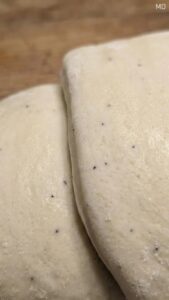
Noticing tiny black dots on puff pastry can feel alarming at first glance, especially if you are preparing a special meal or dessert. However, in many situations, these small specks are completely harmless. Before deciding to throw the dough away, it is important to pause and examine it carefully. Puff pastry is made from simple ingredients such as flour and butter, and natural changes can occur during storage or baking. A quick inspection can help you determine whether the pastry is still safe to use.
The first step is to look for clear signs of spoilage. Mold typically appears fuzzy, raised, or damp, and may show shades of green, blue, or white. It often carries a sour or musty smell that is easy to notice. If you observe any of these warning signs, it is safest to discard the pastry immediately. On the other hand, flat, dry, and evenly scattered dots that resemble tiny freckles are usually not mold. These specks do not spread across the surface, smear when touched, or feel soft or sticky.
There are several common and harmless reasons why black dots may appear. In some cases, they come from natural bran particles found in less refined or stone-ground flour. During baking, milk solids in butter can caramelize and darken slightly, creating small brown or black specks that may even enhance flavor. Oxidation is another possibility, particularly if the dough has been stored for an extended period or thawed more than once. Additionally, residue from baking sheets can sometimes transfer onto the pastry, which can be prevented by using clean trays or parchment paper.
To ensure food safety, always rely on your senses. Check the smell, texture, and overall appearance before baking. Store puff pastry tightly sealed in the freezer and avoid repeated thawing whenever possible. If something seems unusual or gives you reason for concern, it is better to err on the side of caution. However, if the pastry looks normal, smells fresh, and feels firm, you can confidently continue with your recipe and enjoy the baking process without unnecessary worry.