When summer arrives, it brings longer days, warm sunshine, blooming gardens, backyard gatherings—and a noticeable increase in buzzing visitors. Insects are part of the season, whether you live in the heart of a city, a quiet suburb, or a rural property surrounded by open land. While many insects are harmless and even beneficial, others can create unexpected challenges, especially in small enclosed spaces like mailboxes.
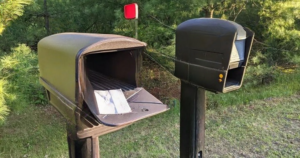
One curious sight that tends to surprise homeowners during the warmer months is finding a dryer sheet tucked inside their mailbox. At first glance, it might seem random or misplaced. However, there is often a practical reason behind it.
In this in-depth guide, we’ll explore why dryer sheets sometimes appear in mailboxes, the connection between mailboxes and certain insects, how this practice may help reduce unwanted visitors, and additional steps you can take to create a safer environment for both your household and your mail carrier.
Summer Brings More Than Sunshine
Warm temperatures encourage plants to thrive—and insects along with them. As flowers bloom and outdoor activity increases, many species of insects become more active. Some are pollinators that help gardens flourish. Others are simply drawn to warmth, shelter, and food sources.
If you live near gardens, wooded areas, farmland, or open fields, you’ve likely noticed the seasonal uptick in:
-
Bees
-
Mosquitoes
-
Flies
-
Wasps and yellowjackets
While bees play a crucial role in pollination and are generally non-aggressive unless disturbed, certain species of wasps and yellowjackets can be more defensive, especially around their nesting areas.
Why Mailboxes Attract Wasps and Similar Insects
Mailboxes may not seem like obvious nesting spots, but they can be surprisingly appealing to certain insects. Here’s why:
1. Shelter from the Elements
Mailboxes provide a small, enclosed space that offers protection from wind, rain, and predators. During hot summer days, the interior can retain warmth. In cooler evenings, that warmth can linger, creating a stable environment.
2. Low Disturbance (Initially)
Unlike porches or patios where people frequently gather, mailboxes are typically accessed only once per day. From an insect’s perspective, that limited disturbance can make it an attractive place to settle—at least temporarily.
3. Structural Support for Nesting
The corners and ceilings of a mailbox can offer convenient anchor points for early-stage nest construction. Certain species, including yellowjackets, look for protected cavities to start their colonies.
The Hidden Risk for Mail Carriers
For most homeowners, checking the mailbox is a quick task. But for postal workers, it’s part of a daily route that may include hundreds of mailboxes.
When a wasp or yellowjacket nest begins forming inside a mailbox, it may not be immediately visible from the outside. Insects often cluster toward the back or upper interior. If someone reaches inside without noticing them, the insects may react defensively.
Repeated exposure to this situation can create a genuine occupational hazard. Even a single sting can be painful. Multiple stings can be more serious, particularly for individuals who are sensitive or allergic.
Because mail carriers interact with so many mailboxes each day, they are often the first to encounter hidden nests. Over time, postal workers have developed practical, low-cost methods to discourage insects from settling in these spaces in the first place.
One of those methods involves a common household item: the dryer sheet.
Why Dryer Sheets?
Dryer sheets are typically used to reduce static and add fragrance to laundry. However, many people have noticed that certain strongly scented dryer sheets may also discourage some insects from lingering nearby.
The Scent Factor
Dryer sheets contain fragrance compounds designed to leave clothing smelling fresh. Some anecdotal reports suggest that strong scents may be unpleasant to certain insects, including wasps and yellowjackets.
While this is not a guaranteed or scientifically definitive solution, many mail carriers and homeowners have observed that placing a strongly scented dryer sheet in the back of a mailbox can act as a deterrent—especially as a preventive measure before a nest forms.
Preventive, Not a Cure
It’s important to understand that a dryer sheet is not a removal tool. If a nest is already established, placing a dryer sheet inside is unlikely to solve the problem.
Instead, the idea is to discourage insects from choosing the mailbox as a nesting site in the first place.
If You Find a Dryer Sheet in Your Mailbox
If you open your mailbox and discover a dryer sheet tucked inside, here’s what it may mean:
-
Your mail carrier may have noticed insect activity in the area.
-
It may have been placed as a precautionary measure.
-
It’s likely intended to help reduce the chances of wasps building a nest there.
In many cases, leaving the dryer sheet in place can be helpful. If you decide to remove it, consider replacing it with a fresh, strongly scented one—especially during peak insect season.
How Effective Is This Method?
The effectiveness of dryer sheets as insect deterrents varies. Factors include:
-
The specific insect species
-
The strength of the scent
-
The environment surrounding the mailbox
-
How frequently the mailbox is opened
Some people report noticeable reductions in insect presence, while others view it as an extra layer of precaution rather than a standalone solution.
If you choose to try this method, use a highly scented sheet and replace it once the fragrance fades.
Additional Steps to Prevent Insects in Mailboxes
While dryer sheets may help, combining strategies can offer better protection.
1. Regular Inspection
Open your mailbox carefully and visually inspect the interior during summer months. Look for:
-
Small paper-like structures attached to corners
-
Clusters of insects at the back
-
Unusual buzzing sounds
Early detection is key.
2. Keep the Area Clean
Remove food residue, sugary spills, or plant debris near the mailbox post. Insects are often drawn to food sources first and may then explore nearby cavities for nesting.
3. Seal Gaps and Cracks
If your mailbox has cracks or openings, consider sealing them with appropriate outdoor-safe materials. Reducing entry points can make it less appealing for nesting.
4. Choose a Mailbox with Better Ventilation
Some modern mailbox designs include improved ventilation and smoother interiors, making them less attractive to nesting insects.
5. Professional Help for Established Nests
If you discover an active nest:
-
Avoid disturbing it.
-
Do not attempt removal without proper protective equipment.
-
Contact a licensed pest control professional if necessary.
This ensures safety for you, your household, and your mail carrier.
Understanding Yellowjackets and Wasps
Not all wasps behave the same way. Two commonly encountered species near homes include:
Yellowjackets
-
Often nest in cavities (including mailboxes).
-
Can become defensive if their nest is disturbed.
-
Highly active during late summer.
Paper Wasps
-
Build umbrella-shaped nests.
-
Usually less aggressive unless provoked.
-
Prefer sheltered outdoor surfaces.
Recognizing the type of insect can help determine the best response.
A Small Gesture That Supports Postal Workers
Mail carriers perform their duties in all kinds of weather—heat, rain, wind, and cold. During summer, they face additional environmental challenges, including increased insect activity.
Taking small preventive steps can help reduce risk:
-
Inspecting your mailbox regularly
-
Using deterrents like scented dryer sheets
-
Promptly addressing any nesting activity
These simple actions contribute to a safer delivery experience.
Frequently Asked Questions
Are dryer sheets harmful to mail?
Generally, placing a dryer sheet in the back of the mailbox does not harm mail. However, avoid direct contact with sensitive documents if you are concerned about fragrance transfer.
Do unscented dryer sheets work?
Unscented versions are less likely to have a deterrent effect, as the scent is believed to play a key role.
Is this method guaranteed?
No single method guarantees complete prevention. Dryer sheets are best viewed as a supplementary precaution.
Final Thoughts
Finding a dryer sheet in your mailbox during summer isn’t random—it may be a thoughtful attempt to discourage insects from nesting in a small but important space.
Mailboxes, though ordinary, can become appealing shelters for certain insects. For mail carriers who reach into dozens or even hundreds of boxes each day, hidden nests pose real challenges.
By understanding why this practice exists and taking proactive steps to maintain your mailbox, you help create a safer and more comfortable experience for everyone involved.
As the warm season continues, a small, simple item like a dryer sheet can serve as a reminder of how everyday solutions sometimes offer surprisingly practical benefits.
Stay safe, stay aware, and enjoy the sunshine—without the sting.