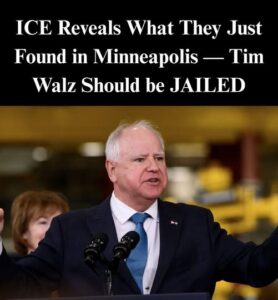
A high-profile arrest late last year in Minneapolis has reignited a bitter national debate over immigration enforcement, sanctuary policies, and the balance between community trust and public safety.
Federal authorities arrested Mahad Abdulkadir Yusuf, a Somali national and convicted sex offender, during a targeted U.S. Immigration and Customs Enforcement (ICE) operation on December 31, 2025.
According to ICE, Yusuf had been living openly in Minneapolis for years despite a serious criminal past — a circumstance that federal officials say highlights what they view as significant gaps in cooperation between federal immigration enforcement and local law enforcement in sanctuary jurisdictions.
Who Is Mahad Abdulkadir Yusuf?
Federal immigration authorities say that Yusuf originally entered the United States in 1996 and at one point held lawful permanent resident status.
Over the years, he developed a criminal record that federal agents characterize as serious and violent:
In 2016, he was convicted of first-degree criminal sexual conduct for forcing a victim to perform oral sex on him multiple times, according to ICE statements.
The agency also notes a prior arrest for first-degree assault in 2016 and an active 2024 warrant for obstructing police.
Federal authorities describe Yusuf as a “dangerous criminal” and assert that his continued presence in the community without federal custody poses a serious risk to public safety.
Federal Authorities: Sanctuary Policies Impeded Enforcement
ICE has publicly linked Yusuf’s prolonged freedom to Minnesota’s sanctuary-style policies and local resistance to federal immigration enforcement.
In statements following his arrest, the agency alleged that prior attempts to take Yusuf into custody were thwarted by at least one interfering third party — namely, the manager of his Lake Street apartment building, who allegedly prevented federal agents from entering when they tried to arrest him in the past.
Federal officials also argue that Minnesota’s sanctuary policies — which generally limit cooperation between local law enforcement and federal immigration authorities (including restrictions on honoring ICE detainers or sharing certain information) — create operational challenges for ICE and other federal agents seeking to locate and apprehend noncitizens who are wanted on immigration or criminal warrants.
ICE and Department of Homeland Security leaders have amplified this point on social media and in public statements, asserting that local resistance to cooperation and messaging that paints ICE operations as hostile has emboldened community interference and hindered enforcement.
Minneapolis and Minnesota Officials Respond
Local leaders have disputed federal characterizations of sanctuary policies and the circumstances surrounding Yusuf’s case.
Minneapolis Mayor Jacob Frey and Minnesota Governor Tim Walz have defended the state’s approach to community policing and immigration, arguing it prioritizes trust and safety for all residents, including immigrants.
They maintain that sanctuary policies focus on separating routine local policing from federal immigration enforcement in order to encourage cooperation with victims and witnesses who might otherwise avoid contact with law enforcement out of fear of deportation.
In other public remarks, Mayor Frey has challenged ICE’s actions and presence in Minneapolis, especially in light of tense confrontations between federal agents and local residents during enforcement operations this winter.
The Broader Enforcement Context in Minnesota
Yusuf’s arrest did not occur in isolation. In late 2025, federal immigration authorities escalated enforcement activity in Minnesota — especially in the Minneapolis–St.
Paul metropolitan area — as part of broader operations targeting people with final orders of deportation, immigration violations, and criminal records.
These actions, reported by multiple outlets, have inclu
 ded large sweeps through Somali-American neighborhoods, routine checkpoints, and enforcement actions that sometimes brought agents into direct contact with local residents and community leaders.
These federal operations, sometimes referred to in press reports under names like “Operation Metro Surge”, have led to arrests of several hundred individuals in Minnesota.
Federal officials assert that many of these arrests involved noncitizens with criminal histories, including violent offenses.
Community Reactions and Tensions
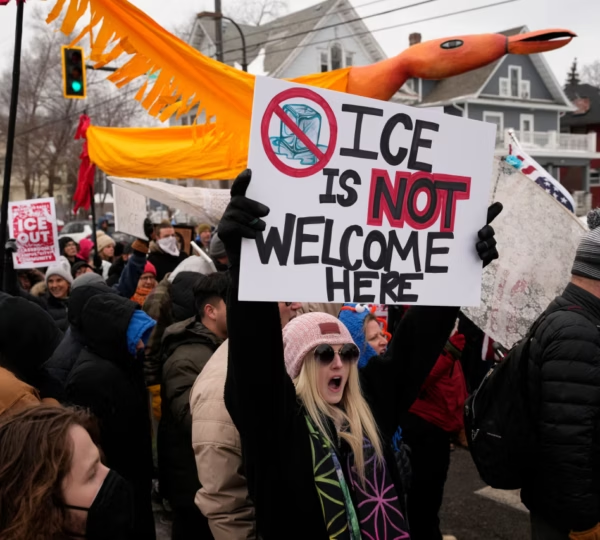
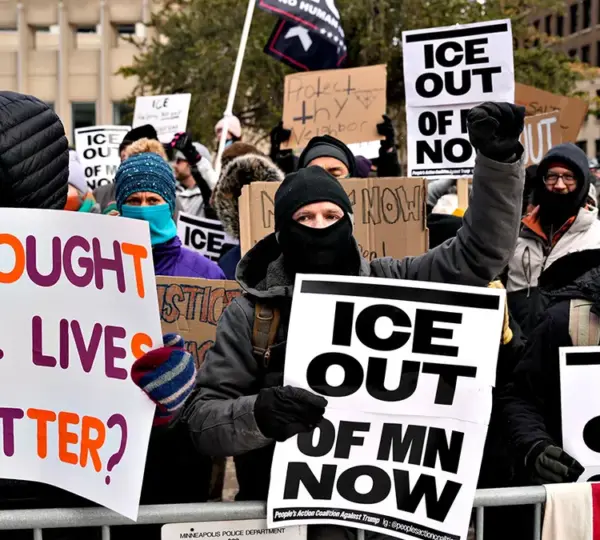
The ramp-up in federal enforcement has sparked widespread reactions — and in some cases, significant community resistance:
Somali-American business owners, residents, and community leaders in south Minneapolis have described intense ICE activity, including ID checks at restaurants, detentions in public areas, and raids that have chilled commercial and social activity.
Local activists and residents have clashed with agents, at times leading to confrontations in which pepper spray was used by federal agents against people in the crowd.
Many Somali-American Minnesotans, the largest Somali diaspora community in the United States, include a mix of U.S. citizens, permanent residents, and undocumented immigrants.

Community advocates have emphasized that broad enforcement operations can sweep up individuals who are legally present or even citizens simply because of their appearance or ethnicity.
In this broader context, Yusuf’s arrest became a lightning rod for debate: federal officials view it as validation of their enforcement stance and a sign of permissiveness caused by local sanctuary policies, while local leaders see it as part of a pattern of federal actions that undermine community trust and civil liberties.
Public Safety vs. Community Trust: The Policy Divide
The clash over sanctuary policies and enforcement reflects a deep policy divide:
Federal and Enforcement Advocates Argue:
Sanctuary policies undermine public safety by restricting federal access to individuals with serious criminal convictions or active warrants.
Local restrictions on cooperation with ICE create operational gaps that allow offenders to remain at large, potentially endangering residents.
Public messaging by some local officials and activists can discourage cooperation with federal enforcement and even incite obstruction.
From this perspective, Yusuf’s case is frequently cited as an example of how policy choices at the state and municipal level can directly impact the ability of federal authorities to enforce immigration and criminal laws.
Local and Community Advocates Argue:
Sanctuary policies are designed to increase trust between immigrant communities and local police, ensuring that people will report crimes and work with law enforcement without fear of deportation.
Critics of aggressive immigration enforcement contend that broad federal actions — especially those perceived as targeting specific communities — can damage public safety by making immigrants reluctant to seek help from any law enforcement entity.

They assert that not all enforcement is appropriately focused — and caution that citizens and lawful residents can be caught up in forceful operations that do not clearly distinguish between legal and illegal residents.
Proponents of this view emphasize that protecting civil liberties and building collaborative relationships between police and communities are essential to effective public safety.
Legal and Constitutional Backdrop
The legal doctrine underpinning sanctuary policies stems from the principle that immigration enforcement is a federal responsibility, and that federal law does not obligate states or localities to assist federal agencies.
This principle has been affirmed in Supreme Court decisions, which have held that while the federal government has authority over immigration, it cannot compel state and local agencies to carry out federal immigration enforcement.
Thus, sanctuary policies generally do not offer sanctuary from federal enforcement itself, but rather limit local entanglement with federal immigration operations.
Political Ramifications
Yusuf’s case and federal enforcement actions in Minneapolis have become political flashpoints:
Federal officials and conservative lawmakers have criticized Governor Walz and Mayor Frey, arguing that their sanctuary policies contributed to allowing a sex offender to remain free.
Local officials have accused federal immigration enforcement of overreach and targeting community members indiscriminately.
The debates have spilled into national political discourse, with immigration policy and sanctuary cities becoming central issues in upcoming election cycles.
Conclusion: A Case That Highlights a Complex Policy Divide
The arrest of Mahad Abdulkadir Yusuf has crystallized a contentious debate over immigration enforcement and sanctuary policies in Minneapolis and across the United States.
For federal authorities, the case illustrates perceived weaknesses in local cooperation that they say jeopardize public safety.
For supporters of sanctuary approaches, it underscores ongoing tensions between federal enforcement priorities and efforts to foster trust in diverse, immigrant-rich communities.
What is clear is that the case has intensified discussions about where community trust ends and public safety begins — and how best to balance law enforcement, civil liberties, and the well-being of all residents in a complex and deeply polarized policy environment