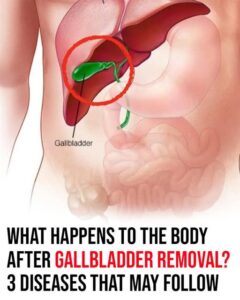
Gallbladder removal is a common procedure, especially for those dealing with painful gallstones or gallbladder disease. While the surgery itself is routine, many people wonder how the body reacts when this small but important organ is removed…
The gallbladder may be small, but it plays a big role in digestion. This pear-shaped organ, located just beneath the liver, stores bile – a digestive fluid that helps break down fats.
When you eat, the gallbladder releases bile into the small intestine to aid digestion.
Before we dive into what you can expect when this mighty little organ is gone from your body, let’s first review some common gallbladder issues.
Common conditions
Your gallbladder plays an important role in digestion, but when something goes wrong, it can lead to pain and serious health issues.
According to the Cleveland Clinic, the following are some common problems:
- Gallstones: One of the most common problems is gallstones – small, pebble-like formations made of bile materials. They can range in size from tiny grains of sand to golf balls. While many people never experience symptoms, gallstones can sometimes cause pain, nausea, and even inflammation if they block bile flow.
- Cholecystitis: If a gallstone gets stuck and prevents bile from exiting the gallbladder, it can lead to cholecystitis, or gallbladder inflammation. This condition often brings intense pain, fever, and discomfort, typically requiring medical attention or even surgery.
- Gallstone pancreatitis: Another potential complication is gallstone pancreatitis, which occurs when a gallstone moves into the bile duct and blocks the pancreatic duct. This blockage can lead to painful inflammation of the pancreas, a condition that often requires hospitalization.
- Gallbladder cancer: Though rare, gallbladder cancer can also develop. While it may cause pain in the upper right side of the abdomen, this symptom is far more likely to be linked to more common gallbladder conditions. Because gallbladder cancer is difficult to detect early, persistent pain or digestive issues should always be checked by a doctor.
Signs your gallbladder is troubled
The symptoms of gallbladder problems vary but many people with gallbladder issues experience:
- Upper right abdominal pain
- Upper mid abdominal pain
- Upper right abdominal pain radiating to the right shoulder or back
- Pain after eating a fatty meal
- Jaundice (yellowing of your skin and whites of your eyes)
- Nausea and vomiting
- Fever or chills
- Light-brown pee or light-colored poop
Changes to your body
Without a gallbladder, your liver still produces bile, but instead of being stored, it drips continuously into your digestive tract.
For most people, this change isn’t a big deal. The body adjusts over time, and digestion continues as usual. However, some people experience temporary digestive issues, particularly in the first few weeks after surgery.
One of the most noticeable changes after gallbladder removal is how your body reacts to certain foods. High-fat meals may cause discomfort, especially right after surgery, because the constant flow of bile isn’t as effective at breaking down large amounts of fat at once. Some people also experience bile acid diarrhea, which happens when excess bile irritates the intestines, causing loose stools.
Bloating and gas are also common, as your digestive system adjusts to a new way of processing fats. If you experience discomfort, eating smaller meals and focusing on lean proteins, whole grains, and fiber-rich foods can help ease digestion. Over time, most people find they can return to a normal diet with only minor adjustments.
Diet tips for a smooth recovery
Life without a gallbladder is entirely manageable, but some adjustments occur as your body adapts. Since bile flows directly into the intestines instead of being stored, digestion can be affected.

While there is no strict post-surgery diet, the Mayo Clinic offers some tips to improve digestion and help you through recovery.
- Low fat: Avoid high-fat foods, fried and greasy foods, and fatty sauces and gravies for at least a week after surgery.
- Increase fiber intake: This helps make bowel movements more regular.
- Eat smaller meals more frequently to aid digestion and prevent bloating.
- Stay hydrated: This is particularly important for those experiencing diarrhea. Drinking water, herbal teas, or electrolyte-rich broths can help replenish lost fluids and minerals.
Also try limiting foods that tend to worsen diarrhea, including:
- Caffeine
- Dairy products
- Sugary treats
Doctors typically recommend starting with a light diet of clear liquids and bland foods before gradually reintroducing solid meals. Staying mindful of portion sizes and making healthier choices can help maintain a balanced weight.
The good news is that most people lead completely normal, healthy lives without a gallbladder. While digestion might feel a little different at first, your body is incredibly adaptable, and within a few months, you’ll likely feel just as good – if not better – than before!
If you have any tips for recovery, please share them in the comments section below!