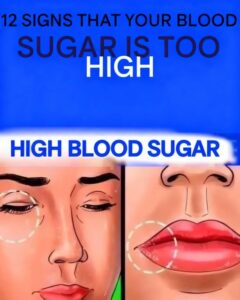
High blood sugar, also known as hyperglycemia, happens when there is too much glucose circulating in the bloodstream. This condition is commonly linked to diabetes, but it can also occur due to stress, poor eating habits, lack of physical activity, or certain illnesses. When blood sugar remains high for extended periods, it can quietly affect many organs and body systems. Understanding the early signs is essential because they often appear gradually and may be ignored until more serious problems develop.
Some of the most noticeable signs of high blood sugar include frequent urination, excessive thirst, and constant fatigue. As the body tries to remove extra glucose through the kidneys, it loses more water, leading to dehydration and a persistent dry mouth. At the same time, the body’s cells may not be able to use glucose properly for energy, causing weakness and tiredness even after rest. Blurred vision is another common symptom, as high sugar levels can temporarily affect the shape of the eye’s lens and interfere with clear sight.
Other important signs involve changes in appetite, weight, and healing ability. Increased hunger may occur because the body’s cells are not receiving the energy they need, even though blood sugar is high. Some people may notice unexplained weight loss, while others experience weight gain linked to insulin resistance. High blood sugar can also slow down the healing of cuts and wounds and increase the risk of frequent infections, such as skin, gum, or urinary tract infections, because the immune system becomes less effective.
High blood sugar can also affect comfort, mood, and nerve function. Symptoms such as headaches, difficulty concentrating, irritability, dry or itchy skin, and tingling or numbness in the hands and feet are common warning signs. In some cases, nausea or a general feeling of discomfort may appear. Recognizing these signs early allows individuals to make positive lifestyle changes, seek medical advice when needed, and take steps to maintain healthy blood sugar levels and long-term overall well-being.