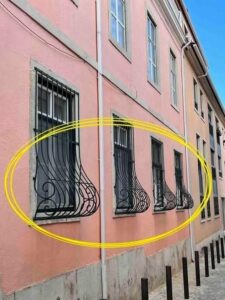
Introduction: The Mystery of Curved Window Grills
Have you ever noticed the bars on some windows that have a curious curve or bulge at the bottom? It’s a feature that stands out, but its purpose isn’t always immediately clear. Are these window grills simply decorative, or do they serve a practical function? If you’ve ever walked down a street and observed these peculiar window designs, you may have wondered about the purpose behind this seemingly odd feature. Well, the answer is both fascinating and practical, and understanding it can give you a deeper appreciation for how design can serve both aesthetic and functional purposes.
In this article, we’ll explore the world of window grills, the intriguing feature of the “potbelly” design, and why some window bars have curves. We’ll take a closer look at the history of window bars, the use of the potbelly design, and how this feature benefits both homeowners and buildings. So, let’s dive into the story behind window grills and their curvaceous bottoms.
Window Grills: A Security Tradition
For centuries, window bars have been used primarily as a security measure. Their main purpose is to provide a barrier against break-ins, allowing homeowners and buildings to protect their valuable assets and personal space. Window bars, also called security bars or window grills, are designed to reinforce windows, making it more difficult for intruders to gain unauthorized access.
Security bars have evolved over time, adapting to different architectural styles and changing materials. In ancient times, window bars were made of iron, and in some cases, they were simple, rudimentary structures. Over time, as cities grew and the need for security became more pronounced, window bars were refined. Today, they are crafted from stronger materials like steel or wrought iron, designed not only to keep burglars out but to enhance the aesthetics of the building. Modern security bars come in a wide range of designs, from simple, straight lines to intricate patterns and, of course, those with curvaceous designs like the potbelly bar.
The Potbelly Bar: What Is It?
The term “potbelly” refers to the slight bulge or protrusion that some window bars have in the middle section. This bulging feature is often more pronounced at the bottom of the grill, giving the bars a rounded or belly-like appearance. The potbelly design is not just a decorative touch, but serves several practical purposes that enhance the functionality of window grills.
The potbelly is a distinctive design element that has become an integral part of window grills in many regions. It is most commonly seen in security bars or window grills used in residential or commercial properties. The design often evokes a sense of charm and uniqueness, making these window bars stand out from the more traditional straight-line bars.
But why do some window grills have this curve or bulge? The answer lies in the combination of aesthetics and practical utility. These curved sections, while offering an interesting visual appeal, are designed with functionality in mind. Let’s explore the primary purposes behind this feature.
Why Do Some Window Grills Have a Potbelly?
The potbelly feature is not a random design choice. It serves several important functions that provide value to homeowners, architects, and businesses alike. The primary reasons for the bulging curve in window grills include aesthetic enhancement, additional support for practical installations, and improving the overall functionality of the bars.
1. Supporting Flower Boxes
One of the most common and charming uses of potbelly bars is their ability to support flower boxes. The bulging or curved section of the bar provides a natural platform where homeowners can place flower boxes or planters. This additional space at the bottom of the window allows for easy installation of flowers, plants, or greenery, making the window more vibrant and visually appealing.
Flower boxes are a popular feature in many urban areas, where space for gardens may be limited. These pots and boxes add life and color to otherwise plain buildings, giving them a homely and inviting feel. The potbelly design works perfectly here, as it provides just enough space to securely hold the weight of flower boxes while maintaining the strength and security of the bars.
Imagine walking down a city street with windows adorned by pots of cascading flowers. It’s an aesthetic that brings joy to passersby and adds a personal touch to the building’s design. The potbelly bars allow for this added beauty, creating a blend of security and charm.
2. Accommodating Air Conditioning Units
Another important use of the potbelly window grill is to accommodate air conditioning units. In many homes, especially in urban areas, air conditioners are installed through windows. The potbelly design offers extra space at the bottom of the window grill, making it easier to securely install an air conditioning unit while still providing the necessary protection.
Installing an air conditioning unit can be a challenge, particularly when dealing with windows that have security bars. The potbelly provides a useful solution by giving just enough clearance to fit the unit without compromising the integrity of the window grill. Not only does this design provide a stable platform for the air conditioner, but it also ensures proper ventilation, allowing the unit to function efficiently.
In addition to enhancing the overall functionality of the security bars, the potbelly feature also prevents the air conditioning unit from causing any undue strain on the window. This can extend the lifespan of both the window and the air conditioning unit, saving homeowners the cost and hassle of replacements or repairs.
3. Aesthetic Appeal
While function is important, aesthetics also play a significant role in why some window grills have curves. The potbelly design adds a unique, artistic touch to otherwise functional structures. For homeowners or businesses looking to add character to their building, the curved shape of the bars serves as an eye-catching feature. The bulging design provides a sense of balance, creating a pleasing symmetry that enhances the overall visual appeal of the window.
The graceful curve of the potbelly design can give a window grill a softer, more organic look compared to the harsh lines of traditional straight bars. For historic buildings or those with a certain architectural style, the potbelly design can integrate seamlessly into the overall aesthetic, complementing other decorative elements and adding to the charm of the space.
In addition to adding a touch of elegance, potbelly bars can also reflect the individuality of the homeowner or business. The choice of security bars is often a deliberate one, balancing practicality with personal style. Potbelly bars allow individuals to express their taste while still benefiting from the protective features of window grills.
Where to Find Window Bars with Potbellies
If you’re interested in adding window grills with a potbelly design to your own home or building, you’ll find several options available. Local hardware stores, home improvement centers, and specialty ironworks shops often carry a wide range of window security products, including window bars with potbellies. These bars come in a variety of designs, materials, and finishes, allowing you to find the perfect match for your windows.
When shopping for window bars, it’s essential to keep in mind both security and aesthetics. You’ll want to choose a style that complements your home’s design while still providing the protection you need. Materials such as wrought iron, steel, and aluminum are commonly used for security bars, as they offer durability and strength. Many manufacturers also offer customized designs, allowing you to create a truly unique look for your window grills.
Online retailers and e-commerce platforms also offer an extensive selection of window bars with potbellies. With just a few clicks, you can browse through various styles, compare prices, and read customer reviews to make an informed decision. Shopping online also provides the convenience of having the bars delivered directly to your home.
Choosing the Right Window Bars for Your Home
When choosing window bars for your home, it’s important to consider a few factors. Security is the primary concern, but you’ll also want to ensure that the bars blend seamlessly with your building’s architecture and meet your aesthetic preferences. Here are a few tips to help you choose the right window bars:
-
Material: Choose bars made from sturdy materials such as steel, wrought iron, or aluminum. These materials provide strength and durability to prevent break-ins.
-
Design: Consider the overall style of your home or building. If you have a traditional or historical property, you might want to choose bars with ornate designs. For modern homes, more minimalist and sleek bars might be a better fit.
-
Installation: Make sure the bars are properly installed to ensure maximum security. You may want to hire a professional to install the bars to ensure they are mounted securely and meet safety standards.
Proper Installation and Additional Security Measures
Once you have chosen the perfect window bars with potbellies, it’s essential to have them properly installed. Improper installation can compromise the effectiveness of the bars and may even pose safety risks. For example, bars that aren’t securely fastened can be pried open easily by intruders.
If you’re unsure about the installation process, it’s always best to consult a professional. Many companies offer installation services for window bars, ensuring that the bars are securely anchored and provide the maximum level of protection. Professional installation can also save you time and effort, ensuring that the bars are installed correctly the first time.
In addition to installing window bars with potbellies, it’s important to take other security measures to protect your home. This may include installing a home alarm system, using deadbolts on doors, adding outdoor lighting, and getting to know your neighbors. A comprehensive security system is the best way to ensure the safety of your home and family.