Things to Think About Before Keeping a Loved One’s Ashes at Home

Losing someone close creates a quiet absence that is often difficult to express. In that space of grief, many families choose to keep a loved one’s ashes at home as a way to feel connected to the person they miss. As cremation becomes more common across the United States, more people are considering whether keeping ashes nearby feels meaningful and emotionally supportive.

For some, placing an urn near photographs or cherished keepsakes offers comfort and helps preserve a sense of closeness. The presence can serve as a reminder of shared memories and the love that remains, especially for those who spent many years with a spouse, parent, or partner. During the early stages of grief, this connection can feel reassuring.

Different faith and cultural traditions offer varied perspectives on cremation and remembrance. Many Christian communities today accept cremation and encourage families to handle ashes with dignity, whether kept at home or placed in a memorial space. Other traditions encourage scattering ashes in nature or choosing a meaningful resting place as part of emotional healing.

Grief specialists emphasize that there is no single right answer. If keeping ashes at home brings comfort and peace, it can be a healthy personal choice. If it feels difficult over time, families may find comfort in alternatives such as memorial gardens or tribute projects. Ultimately, decisions about remembrance should reflect love, respect, and what best supports healing.

Related Posts

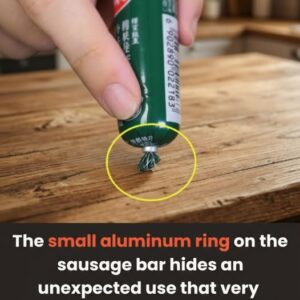
Why Sausage Sticks Have a Small Metal Ring — and What Purpose It Serves

At first glance, it looks like nothing more than a small scrap of metal—a detail so tiny you might flick it into the trash without thinking. Yet…

The infallible method to make those unsightly little dots on wool sweaters disappear

Have you ever taken your favorite sweater out of the closet only to notice it doesn’t look quite as beautiful as before? Those tiny balls of fuzz…

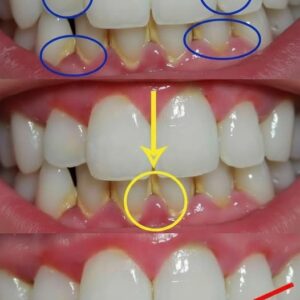
Remove dental plaque in 5 minutes naturally, without going to the dentist.

Dental plaque is a soft, sticky film made of living bacteria, food particles, and acids that forms on teeth every day. It develops naturally after eating or…

From Crocodile Dundee to a New Adventure in Morocco

When people think of 1980s Hollywood, names like Tom Cruise and Molly Ringwald often come to mind—along with Linda Kozlowski, best known for her role as Sue…

If you see window grills with a curve at the bottom here’s what it means

Why Do Some Window Bars Bulge Outward? If you’ve ever noticed window bars curving outward like a potbelly, you weren’t just seeing a quirky design — those…

Easy and Affordable DIY Method to Clean Jewelry at Home

Keeping jewelry clean and shiny doesn’t always require costly products or professional polishing. Over time, silver and other metals naturally lose their brightness when exposed to air…

Leave a Reply

Your email address will not be published. Required fields are marked *