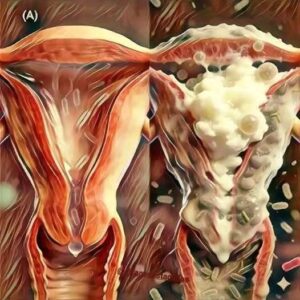
Sexual activity is commonly framed around pleasure, intimacy, emotional closeness, or reproduction, while its physiological effects are often left in the background. One area that receives far less attention than it deserves is the urinary system, which exists in close anatomical and functional proximity to the reproductive organs. During intercourse, friction, warmth, moisture, and physical contact create ideal conditions for microorganisms that normally live on the skin or in nearby areas to move toward the urethra. In women, the urethra is short and positioned close to both the vaginal and anal openings, making bacterial entry into the urinary tract more likely. Men benefit from a longer urethra, which offers some protection, but it does not make them immune. Bacteria can still be introduced, particularly during prolonged activity, dehydration, inadequate hygiene, or frequent partner changes.
Once microorganisms enter the urethra, the body relies heavily on urination as its primary line of defense. The flow of urine helps wash bacteria out before they can cling to the urethral walls or travel upward into the bladder. When urination is delayed after sexual activity, bacteria are given time to multiply and establish themselves. This helps explain why urinary tract infections are far more common in women, though men can also be affected. These infections rarely appear suddenly; instead, they develop quietly over hours or days. Sexual activity itself is not the cause, but it can act as a trigger when combined with dehydration, weakened immunity, or neglected hygiene habits.
A frequent result of this process is postcoital cystitis, a bladder infection that occurs after sexual intercourse. It is most often caused by Escherichia coli, a bacterium normally found in the digestive system. Symptoms include burning during urination, frequent urges to urinate, lower abdominal discomfort, and changes in urine appearance or smell. In more severe cases, fever or pelvic pain may occur. These symptoms can disrupt daily life, interfere with sleep and work, and create anxiety around intimacy. Although common, postcoital cystitis is not unavoidable, and understanding how it develops is essential for prevention.
Urinating after sexual intercourse is one of the simplest and most effective preventive measures. It allows the body to flush out bacteria naturally before they can attach to sensitive tissues or migrate deeper into the urinary tract. This habit reduces the risk of infection and chronic irritation while also helping normalize bladder pressure after increased blood flow during sex. Urination supports a healthier balance of microorganisms in the intimate area and reduces conditions that encourage bacterial overgrowth.
Urinary health is also influenced by daily habits beyond urination. Adequate hydration ensures urine remains diluted and less irritating while improving its ability to clear bacteria. Gentle cleansing, breathable underwear, avoiding prolonged urine retention, and minimizing friction during intercourse all support urinary resilience. For those prone to recurrent infections, small lifestyle adjustments can significantly reduce risk without limiting intimacy.
Viewing sexual health through a holistic lens allows intimacy and physical well-being to coexist. Education often focuses on contraception and infections while overlooking everyday physiological responses that can affect quality of life. Understanding how the body reacts to intimacy empowers individuals to protect their health through simple, consistent habits. When awareness replaces misconception, prevention becomes second nature, allowing sexual relationships to remain both pleasurable and supportive of long-term well-being.