Cremation and Christian Faith: Tradition, Theology, and Choice
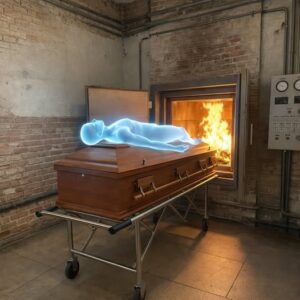
In recent decades, cremation has become increasingly common in Western societies, driven by rising costs, limited burial space, and environmental concerns. For many families, it is a practical and respectful alternative to traditional burial. Yet within the Christian community, this shift raises theological questions about the body, tradition, and the promise of the afterlife.
The central debate often asks whether cremation is a “sin.” Unlike burial, which is deeply rooted in biblical precedent, cremation lacks a single explicit prohibition. Historically, burial was the norm: patriarchs like Abraham and Moses were interred in the earth, reflecting a belief in the body as sacred and destined for future restoration.
The most significant example is the burial of Jesus Christ. His entombment has long served as a model for Christians, symbolizing hope through the metaphor of sowing a seed that will rise again. St. Paul emphasized this idea, linking burial with resurrection and reinforcing why burial became the preferred tradition for centuries.
Yet the Bible contains no direct law against cremation. Cases where bodies were burned usually involved extreme circumstances, not moral instruction. Modern theologians argue that while burial is traditional, cremation falls under Christian liberty, not doctrinal requirement.
Concerns about cremation often invoke the body as the “temple of the Holy Spirit.” Some worry that burning the body shows disrespect or a lack of faith in resurrection. Scholars counter that God’s power to raise the dead is not limited by the physical state of remains, whether buried, burned, or scattered.
Historically, cremation was linked to pagan practices denying resurrection, reinforcing Christian burial as counter-cultural. Today, cremation is typically motivated by practicality rather than theology, reflecting personal or familial choice rather than doctrinal rebellion.
Most Christian denominations now agree that cremation does not affect salvation or resurrection. The faith emphasizes transformed, glorified bodies rather than the preservation of earthly remains, making the method of disposal secondary to spiritual hope.
Ultimately, whether burial or cremation is chosen, the focus remains on Christ’s resurrection. The body’s resting place—grave or urn—matters less than the eternal promise of life beyond death, where neither fire nor decay can alter the hope found in Him.