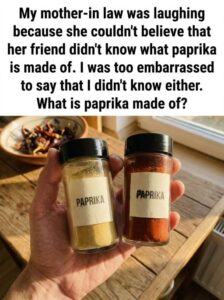
Paprika sits quietly on spice racks around the world, adding color and warmth to dishes without much fanfare. Yet for many home cooks, learning what paprika is actually made from comes as a small surprise. Despite its rich red hue and distinctive flavor, paprika isn’t a mysterious blend or a spice from an unfamiliar plant. It is simply made from dried red peppers, ground into a fine powder. That straightforward origin has sparked fresh curiosity, encouraging people to rethink how well they really know the everyday ingredients they use without a second thought.
The confusion surrounding paprika highlights how modern cooking can feel disconnected from its agricultural roots. When spices arrive neatly bottled and labeled, it’s easy to forget they once grew in fields. Paprika begins with fully ripened red peppers, usually sweet or mildly flavored varieties rather than hot chilies. The specific type of pepper, along with how it is dried and processed, determines the final taste. Some paprika is gentle and slightly sweet, while other varieties develop a smoky depth, but all share the same humble starting point: the red pepper.
Turning peppers into paprika is a process of patience rather than complexity. Farmers wait until peppers reach full maturity, when their color and natural sugars are at their peak. The peppers are then carefully dried—either in open air or controlled environments—until all moisture is removed. Once dried, they are ground into powder, sometimes with seeds removed for a smoother flavor. Because fresh peppers contain so much water, it takes a surprisingly large harvest to produce a small amount of paprika, which helps explain its concentrated color and taste.
Knowing what paprika is made from can subtly change how we use it in the kitchen. It becomes less of a mysterious spice and more of a preserved vegetable, which makes cooking feel more grounded and approachable. This understanding also reinforces the value of freshness, as paprika can lose its aroma and vibrancy over time. Replacing it regularly ensures better flavor and color in meals. Ultimately, paprika’s story is a reminder that many familiar ingredients have simple origins, and appreciating that simplicity can bring new awareness and enjoyment to everyday cooking.