Introduction: Why This Symbol Matters in Everyday American Life
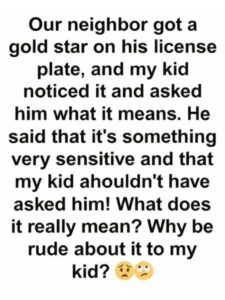
On any given day, millions of Americans drive past countless vehicles without a second thought. License plates blur into the background—numbers, letters, and state slogans serving a purely functional purpose. Yet, every so often, a plate stands out. A small gold star appears, subtle but unmistakable to those who understand its meaning.
You might not realize it at first glance, but that symbol represents one of the most profound sacrifices a family can endure. A gold star license plate is not a design choice or decorative feature. It is a deeply meaningful recognition tied to loss, service, and national gratitude.
In the United States, where military service is closely woven into the nation’s identity, symbols like these carry weight far beyond their size. For families who have lost a loved one in uniform, the gold star is both a personal marker of grief and a public acknowledgment of sacrifice. It quietly tells a story that words often cannot.
Understanding the significance of gold star license plates offers more than historical insight—it provides a lens into military family life, national values, and the real human cost behind freedom and security. For consumers, policymakers, and everyday drivers alike, recognizing this symbol fosters awareness, respect, and a deeper connection to the people behind the uniform.

The Hidden Meaning / Significance
What the Gold Star Truly Represents
At its core, the gold star is a symbol of ultimate sacrifice. It signifies that an immediate family member—such as a parent, spouse, sibling, or child—has lost a loved one who died while serving in the U.S. military.
Unlike many symbols that evolve into broad or ambiguous meanings, the gold star remains precise and deeply personal. It is not used casually. Its presence indicates a family forever changed by loss.
For those who display it, whether on a banner, pin, or license plate, the gold star represents:
- Honor for a life given in service
- Recognition of enduring grief
- A visible connection to national sacrifice
This is why gold star license plates are treated with such respect. They are not about recognition for the driver—they are about remembrance for someone who is no longer here.
A Quiet Form of Public Recognition
In a culture where attention is often loud and immediate, the gold star stands apart. It is intentionally understated.
A gold star license plate does not demand acknowledgment, yet it invites reflection. For those who recognize it, seeing one on the road can be a powerful moment. It may prompt:
- A pause in thought
- A sense of gratitude
- A reminder of the realities of military service
You might not realize how often these symbols appear until you start noticing them. And once you do, they become difficult to ignore—not because they are flashy, but because of what they represent.
The Emotional Weight Carried by Families
Behind every gold star is a family navigating life after loss. The symbol reflects not only the service member’s sacrifice but also the ongoing journey of those left behind.
Families often describe the gold star as:
- A badge of honor intertwined with grief
- A connection to a loved one’s legacy
- A reminder that their loss is recognized
Organizations like American Gold Star Mothers, Inc. have long supported these families, offering community and advocacy.
The symbolism extends beyond individuals—it becomes part of a shared national narrative about service, resilience, and remembrance.

Practical Implications for People / Consumers / Businesses
Who Qualifies for Gold Star License Plates?
Eligibility for gold star license plates varies slightly by state, but generally includes:
- Parents of fallen service members
- Spouses (including surviving spouses)
- Children and sometimes siblings
State Departments of Motor Vehicles (DMVs) typically require documentation verifying the service member’s death occurred during active duty or as a result of service-related conditions.
For example, guidance from the U.S. Department of Veterans Affairs helps define eligibility standards and documentation requirements.
Why These Plates Matter in Daily Life
Gold star license plates serve as a constant, quiet acknowledgment of sacrifice during routine activities:
- Commuting to work
- Running errands
- Traveling long distances
They transform everyday moments into opportunities for recognition and respect.
For businesses, especially those in insurance, automotive services, and retail, understanding these symbols can inform better customer engagement. While interactions should always remain respectful and private, awareness of such distinctions contributes to more thoughtful service.
Consumer Awareness and Social Etiquette
While there are no formal rules for how to respond when you see a gold star plate, general etiquette includes:
- Recognizing the symbol with quiet respect
- Avoiding intrusive questions or assumptions
- Understanding that the symbol represents loss, not status
You might not realize it, but small acts of awareness—like simply recognizing the meaning—can contribute to a more empathetic society.
Policy and State-Level Programs
Many U.S. states offer gold star license plates as part of broader efforts to support military families. These programs often include:
- Reduced or waived registration fees
- Access to additional benefits or recognition programs
- Integration with veteran support services
State governments, along with organizations like the U.S. Department of Defense, play a role in maintaining the integrity and meaning of these symbols.
Historical / Cultural Context
Origins in World War I
The gold star tradition dates back to World War I, a time when American families sought ways to visibly support loved ones serving overseas.
In 1917, Robert L. Queisser introduced the Blue Star Service Banner. Families displayed these banners in their homes, with each blue star representing a family member in active service.
When a service member died, the blue star was replaced with a gold star.
This transformation turned a symbol of service into one of sacrifice.
Formal Recognition by Woodrow Wilson
Later in 1917, President Woodrow Wilson formally recognized the significance of the gold star. He authorized mothers who had lost sons in combat to wear black armbands featuring gold stars.
This official acknowledgment helped solidify the symbol’s meaning across the country, ensuring it would endure beyond the war itself.
Establishment of National Observances
In 1936, the U.S. Congress designated the last Sunday in September as Gold Star Mother’s Day.
Over time, this observance expanded to honor all Gold Star families, not just mothers. It serves as a national moment of remembrance, encouraging Americans to reflect on the sacrifices made by military families.
Evolution Into Modern Recognition
As the decades passed, the gold star symbol transitioned into new forms of recognition, including:
- Lapel pins
- Memorial displays
- License plates
Today, gold star license plates represent a modern extension of this long-standing tradition—bringing historical symbolism into everyday life.
Tips, Insights, or Takeaways
How to Recognize a Gold Star License Plate
While designs vary by state, most gold star plates include:
- A gold star emblem
- Text indicating “Gold Star Family” or similar wording
- Distinctive colors or backgrounds
Learning to recognize these features can help you better understand their significance when you see them.
Why Awareness Matters
Understanding the meaning behind the gold star helps:
- Promote respect for military families
- Increase public awareness of service-related sacrifice
- Strengthen community connections
You might not realize how impactful simple awareness can be until you encounter these symbols in everyday life.
Supporting Gold Star Families
There are many ways to support families who carry this loss:
- Participating in remembrance events
- Supporting veteran and family organizations
- Educating others about the meaning of the gold star
Even small actions contribute to a broader culture of respect and recognition.
The Broader Lesson: Visibility Without Noise
One of the most powerful aspects of the gold star is its subtlety. In a world filled with constant signals and messaging, it demonstrates that meaning does not require volume.
This principle applies beyond military recognition—to branding, communication, and even personal interactions.
Authoritative References (Brand-Safe)
- U.S. Department of Veterans Affairs – Information on military family benefits and recognition
- U.S. Department of Defense – Official military policies and family programs
- American Gold Star Mothers, Inc. – Support and advocacy for Gold Star families
Conclusion: A Symbol That Transcends the Road
Gold star license plates may appear small and unobtrusive, but their meaning is anything but.
They represent:
- Lives given in service
- Families forever changed
- A nation’s enduring gratitude
In a fast-moving world where symbols often lose their depth, the gold star remains clear and powerful. It does not need explanation for those who understand it—but for those who don’t, learning its meaning can be transformative.
The next time you see a gold star license plate, take a moment. Behind that symbol is a story of courage, loss, and love—one that continues long after the uniform is folded away.
Final Thought:
In recognizing the gold star, we do more than acknowledge the past—we affirm a shared responsibility to remember, respect, and honor those who gave everything, and the families who carry that legacy forward every day.