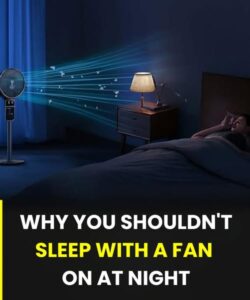
While the rhythmic hum and cooling breeze of a fan are staples of the modern sleep environment, for a significant portion of the population, this routine is a source of chronic, low-grade physiological stress. The primary indicator that a fan is detrimental to your health is nocturnal dehydration of the mucous membranes. Constant airflow accelerates the evaporation of moisture from the mouth, throat, and nasal passages, especially in those who sleep with their mouths open. This often manifests as a scratchy throat, sinus pressure, or a “stuffy” nose upon waking, as the body overcompensates for the dryness by producing excess mucus, leading to congestion that mimics a common cold.
Beyond respiratory issues, a fan can serve as a mechanical catalyst for muscular tension and localized stiffness. When cool air is directed at the body for several hours, it can cause the muscles to contract or tense slightly in a subconscious attempt to maintain core temperature. This most frequently impacts the neck and shoulders, resulting in a “crick” or deep-seated soreness in the morning. Furthermore, fans do not merely cool the air; they act as a high-velocity delivery system for airborne allergens. By keeping dust, pollen, and pet dander in constant circulation, a fan can trigger sneezing, itchy eyes, and postnasal drip in sensitive individuals, effectively turning a bedroom into a localized allergy chamber.
A more subtle, yet equally damaging sign of fan intolerance is chronic morning fatigue despite achieving the recommended eight hours of sleep. Continuous airflow on the skin can interfere with the body’s natural thermoregulation, triggering “micro-awakenings”—brief disruptions in the sleep cycle that prevent the brain from entering deeper, more restorative stages of REM and slow-wave sleep. If you frequently experience brain fog or low energy, your fan may be preventing your body from reaching its full recovery potential. Additionally, those with sensitive skin or dry-eye syndrome may notice increased irritation, as the moving air strips the skin and eyes of their protective moisture barrier during the night.
To mitigate these effects without sacrificing the comfort of moving air, experts recommend shifting toward indirect ventilation strategies. Pointing the fan toward a wall or using a “rotate” setting prevents direct, concentrated airflow from drying out specific areas of the body. Incorporating a sleep timer that turns the device off once the room has initially cooled, or utilizing a humidifier to balance the moisture levels, can also provide a more hospitable environment for the respiratory system. Ultimately, the goal of sleep is restoration; if your nightly breeze is leaving you dry, stiff, or exhausted, it is a clear signal that your sleep geometry needs a strategic adjustment.