Introduction: The Mystery Behind the Yellow Cap
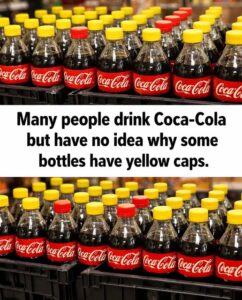
While strolling down the aisles of a grocery store, you may have noticed something unusual on a Coca-Cola bottle—something you hadn’t seen before. It’s the cap. Instead of the usual red cap that has become synonymous with the iconic beverage, you spot a bright yellow one. At first, it may seem like a quirky change or part of a limited-time promotion. But the truth behind this seemingly minor change is more thoughtful and significant than you might expect. The yellow bottle cap is part of a larger story that combines culture, tradition, and even a bit of science.
So why the yellow cap, and what does it really mean? It’s a small detail, but one with a powerful message. Here’s a closer look at why Coca-Cola bottles sometimes sport that bright yellow top—and why it matters.
Coca-Cola’s Legacy: A Brand of Tradition and Consistency
Coca-Cola, a brand that has been part of the American cultural fabric since the late 1800s, has transcended the realm of soft drinks to become a symbol of tradition, nostalgia, and consistency. It’s the type of brand that’s so iconic that the mere sound of its name conjures up images of refreshment, happiness, and a shared global experience. From the moment it first appeared, Coca-Cola has built a reputation as the go-to soft drink, loved by millions worldwide.
But even with its immense global presence, Coca-Cola has always found subtle ways to stay connected with its diverse consumer base. The brand manages to implement small but meaningful changes that show respect and consideration, and sometimes, those changes are focused on specific communities with unique needs. This brings us to the yellow cap.
The Yellow Cap’s Connection to Passover
Why the Yellow Cap Exists: A Seasonal Tradition for Passover
The yellow cap on a Coca-Cola bottle isn’t a random marketing stunt, nor is it part of a temporary flavor experiment. Instead, it’s a practical and thoughtful solution for a specific group of people—those celebrating the Jewish holiday of Passover.
Passover, a significant Jewish holiday that typically lasts seven or eight days, comes with a unique set of dietary restrictions. One of the most important rules during this time is the prohibition of consuming chametz, which refers to foods that contain leavened grains such as wheat, barley, rye, oats, or spelt. The prohibition extends to any food or drink that contains ingredients made from these grains that have come into contact with water and fermented. The strict nature of these dietary laws means that even certain foods that are otherwise considered kosher year-round are off-limits during Passover.
However, there’s another category of foods that complicates things further: kitniyot. This category includes foods like rice, beans, and, crucially, corn. For Ashkenazi Jews (those of Eastern European descent), corn and anything derived from it—such as high-fructose corn syrup—are also avoided during Passover. This is where Coca-Cola’s yellow cap comes into play.
Why Coca-Cola’s Regular Soda Isn’t Kosher for Passover
The Issue with High-Fructose Corn Syrup (HFCS)
Normally, Coca-Cola uses high-fructose corn syrup (HFCS) as the primary sweetener in their sodas, and this ingredient is not kosher for Passover. For Jewish individuals observing the Passover holiday, this creates a dilemma: although Coca-Cola is generally considered kosher year-round, the HFCS in regular Coke makes it unacceptable for consumption during Passover, as corn-derived ingredients are excluded from the diet during this time.
So, to cater to the needs of Jewish consumers who want to enjoy Coca-Cola during Passover, the company began offering a special version of the beverage that uses cane sugar instead of corn syrup. Cane sugar is fully kosher for Passover and meets the dietary restrictions of the holiday. This version of Coca-Cola is distinguished by its yellow cap.
The Yellow Cap: A Symbol of Thoughtfulness and Inclusivity
A Simple but Meaningful Gesture
For Coca-Cola, the yellow cap is not a flashy marketing campaign or a seasonal gimmick. It’s a quiet acknowledgment of a religious tradition. The company could have easily chosen to ignore the dietary restrictions of Passover or made no special effort to accommodate this specific need. Instead, they made a subtle but significant change, acknowledging that for a short period each year, some of their customers need a product that meets their religious requirements.
The yellow cap on Coca-Cola bottles is a sign of inclusivity. It’s Coca-Cola’s way of saying, “We see you. We respect your traditions.” The change is subtle, not drawing much attention, yet it speaks volumes to those who observe Passover. For many, seeing the yellow cap signals the arrival of the holiday season, and it’s a reminder of the brand’s attentiveness to cultural and religious needs. This small but thoughtful gesture is appreciated every year by those who need it, and the yellow cap has become an annual tradition in many Jewish households.
Does the Yellow Cap Coke Taste Different?
The Flavor Debate: Cane Sugar vs. Corn Syrup
While the yellow cap is a clear marker for Passover Coke, one of the most common questions that arise is: does the soda taste different? The answer is, somewhat, yes.
The regular Coca-Cola version that uses high-fructose corn syrup tends to have a slightly different taste compared to the version sweetened with cane sugar. People who are particularly sensitive to the difference between the two sweeteners claim that the cane sugar version has a smoother, more natural sweetness, with less of the “artificial” aftertaste that some associate with HFCS. It’s this slight difference in flavor that has contributed to the popularity of Passover Coke, even among non-Jewish consumers. Some people even seek out the yellow-cap Coke specifically because they prefer the taste.
This slight flavor variation has become a point of pride for some soda enthusiasts. In fact, some people go so far as to claim that Coca-Cola made with cane sugar tastes better than the usual version. They argue that it’s less syrupy and sweeter in a more balanced way, leading to the perception that it’s a superior product.
No Price Premium for the Yellow Cap Coke
A Thoughtful Offering at No Extra Cost
One of the most refreshing aspects of Coca-Cola’s yellow cap initiative is that the company does not charge a premium for the Passover version of the soda. Despite using a different, more expensive sweetener (cane sugar), Coca-Cola sells the yellow-cap bottles at the same price as the regular version.
This makes the yellow-cap Coke a practical option for Jewish consumers during Passover, as it does not come with a higher price tag. This approach stands in stark contrast to some limited-edition products that are priced higher due to their specialty ingredients or seasonal nature. Coca-Cola’s decision to offer the yellow-cap version at no additional cost demonstrates their commitment to inclusivity and respect for the Jewish community’s needs without trying to profit from it.
Where to Find Yellow-Cap Coca-Cola
The Yellow Cap is Limited but Strategic
You won’t find Coca-Cola with the yellow cap on store shelves year-round. Instead, the bottles begin appearing just a few weeks before Passover and usually disappear shortly after the holiday ends. The yellow-cap Coca-Cola is primarily available in areas with large Jewish populations, such as New York City, Los Angeles, Miami, and Chicago. These are the regions where demand for the Passover-specific version is highest.
For those who don’t celebrate Passover, the yellow cap may go unnoticed. However, for those who observe the holiday, the appearance of the yellow-cap Coke is an annual ritual, signaling that Passover is approaching. It’s not a product you actively seek out year-round, but when the time comes, it’s reassuring to see that it’s available.
The Yellow Cap as a Symbol of Community and Tradition
A Small Gesture with a Big Impact
Beyond its practical function, the yellow cap holds a symbolic value. It’s a sign of Coca-Cola’s recognition of Jewish traditions and its willingness to make subtle adjustments to cater to the needs of its diverse customer base. The small yellow cap doesn’t just represent a slight change in ingredients—it represents a moment of thoughtfulness and acknowledgment from one of the world’s most iconic brands.
In a time when corporations are often criticized for their lack of personal touch or attentiveness to specific needs, Coca-Cola’s yellow-cap initiative stands out as a rare example of a large company making a conscious, meaningful effort to cater to a community’s cultural and religious traditions. The yellow cap may be small, but it carries with it a message of respect, inclusion, and care.
Conclusion: The Yellow Cap’s Enduring Significance
The next time you spot a Coca-Cola bottle with a yellow cap, take a moment to appreciate the thoughtfulness behind it. It’s not just a product change—it’s a gesture of inclusivity, a reminder that even the smallest details can make a big difference in honoring and respecting traditions. For Jewish consumers during Passover, the yellow cap is a small but meaningful acknowledgment that their needs are being considered, and for those who simply enjoy the taste, it offers a subtle but welcome change in flavor.
Whether you celebrate Passover or not, the yellow cap on a Coca-Cola bottle serves as a reminder that even in the world of mass-produced products, there’s room for thoughtfulness and respect for community traditions.