Have you ever felt the aroma of bread baking right out of the oven in the kitchen? Perhaps you can remember seeing a loaf of bread stored in a metal or a wooden breadbox, always visible and yet not so much to maintain its freshness. For most of us, that breadbox was a common piece of household equipment, a small appliance stored in the kitchen but which played an important role in our daily lives.
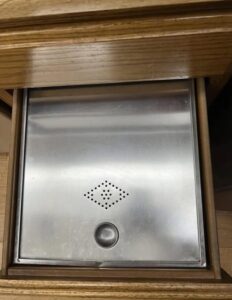
Somewhere in the kitchen of a new house I have moved into, there is a built-in breadbox conveniently next to the sink. All of a sudden, I was transported back to my grandmother’s kitchen; the breadbox was always filled with warm home-made dinner rolls or bought bread for merenda or toothsome toast with morning tea. This was a small wooden box in the corner of the kitchen counter, which had a much greater significance than simply holding things; it was the symbol of the home, the teachings of which were followed in the kitchen of the past decades.
Breadboxes as a kitchen appliance came into American homes during the middle of the twentieth century. When there was no such thing as preservatives and plastic wraps, people used to make bread at home or buy one from the local bakery. With the modern and advanced packaging systems that we have today, bread usually gets stale or gets infested with insects if left exposed. Thus, the breadbox with its rather simple yet efficient design was the solution to both problems. The ventilated body of the bread ensured that it did not develop mold while at the same time it was able to circulate air for the crust to remain crispy.
Breadboxes Through the Decades
Breadboxes during the period between the 1950s to 1980s were made of either metal or wood, and built-in breadboxes became an even more popular part of kitchen cabinetry. Similar to the one I found, these were usually positioned in the proximity of the food preparation area, close to the sink so that they would be easy to locate during the food preparation process.
As more and more houses were being constructed with energy-efficient design considerations in the 1980s, the breadbox became an integrated part of the kitchen cabinet. It not only relieved the counter space but also matched the kitchen decor, bringing functionality along with aesthetic appeal.
The breadbox is a story of an object that tries to depict a time when people had a more considerable connection with the ordinary. It was always a part of your everyday routine. You wake up, prepare food, and the breadbox would be there. Even such actions as cutting bread or serving rolls for the family seemed to be more personal. Breadboxes were a sign of a time when meals were cooked at home and not on the run; when people paid attention to the small things such as where one should keep the bread.
The Symbol of Domesticity
On the fundamental level, the built-in breadbox is indicative of the shift in domesticity. When more and more packaged food products reached the market in the 1990s and later, the food items were preserved with longer shelf life and better packaging materials, and the breadboxes gradually went out of use. But they are still a thing of the past, a silent testimony to the fact that life at home used to revolve around food that is fresh and nutritious and meals shared with one’s family.
While today’s kitchens can be sleek and shiny with their stainless steel appliances and granite countertops, it is delightful to come across an integrated breadbox that is still used after many years of its installation. It’s a small but meaningful gesture to the time when the kitchen was not just a place to cook, but a place that was more intimate and practical, with an emphasis on cooking at home.
Those who are fortunate enough to own one know that a built-in breadbox is a charming element of homes of the past when people’s lives were centered on the home and its simple practices. Still, even though we may not employ them in the same manner, they somehow remind us of the kitchens of our childhood, where the bread was made, stories were told, and people shared a meal.
The Importance of the Breadbox Today
As I sit here and write about this nostalgic kitchen appliance, I realize how much meaning we’ve imbued into this seemingly simple object. The breadbox was much more than a tool for storing loaves of bread. It became a fixture of daily life — something so ordinary that it was easily overlooked. Yet, when I look at the breadbox in my new kitchen, I can’t help but appreciate its symbolism: the comfort of home, the essence of family life, and the joy of simple, homemade meals.
There’s a beauty in its simplicity. You don’t need a refrigerator to store bread, nor do you need to worry about it going stale or attracting insects. The breadbox provides the perfect environment for preserving freshness — a small yet effective solution that once played a key role in every household.
Now, with plastic wraps and plastic bags, along with the prevalence of mass-produced bread from grocery stores, the breadbox has largely disappeared from the scene. It’s a relic from a time when things weren’t as disposable, when food was homemade, and the kitchen was the heart of the home.
Yet, every now and then, I catch a glimpse of one — whether in an antique store or perhaps in the kitchen of an older home — and it instantly evokes a sense of warmth and comfort. That breadbox, though simple and unassuming, holds the memory of a time when the act of making and sharing bread was a daily ritual.
The Nostalgic Value of the Breadbox
Next time you’re in an old house or rummaging through a thrift store, and come across one of these breadboxes, you might recall its function in past kitchens. It’s a small thing, in fact, but often it’s the small things that remind us of the most pleasant moments. Whether it is to store bread, kitchen paraphernalia, or simply to make the kitchen look more inviting, the built-in breadbox will continue to be an essential part of American kitchens’ narrative.
In a world of high-tech appliances and modern conveniences, it’s easy to forget the simpler times when our kitchens were filled with little treasures like the breadbox. But in a way, the breadbox represents something timeless — the love and care put into preparing meals, the family meals shared around the table, and the importance of taking the time to make our homes a welcoming place.
I believe that even as kitchens evolve, and even as we embrace new technologies and conveniences, there’s a part of us that will always long for the simplicity of the past. The breadbox is a symbol of that simpler, more intimate time when families gathered in the kitchen, sharing meals, telling stories, and bonding over the act of preparing and eating food together.
Breadboxes in Modern Kitchens
So, why should we even care about this quaint and seemingly outdated piece of kitchen equipment today? In the age of convenience and technology, when we have everything from instant food delivery to automated cooking gadgets, is there still a place for something as humble as the breadbox?
Interestingly, the answer may be yes. While the breadbox may not be the centerpiece of kitchens anymore, it has been making a quiet comeback in modern design. In many ways, it offers a nostalgic and functional addition to contemporary kitchens, where people are rediscovering the joy of homemade bread and the importance of fresh ingredients.
For example, the rise of home-baking trends — especially during the COVID-19 pandemic — has led many people to experiment with baking bread, pastries, and other homemade goods. As a result, breadboxes are once again making an appearance in kitchens, though they are often designed in more modern ways to fit in with current styles. Many of today’s breadboxes are made with sleek, minimalist materials like stainless steel or bamboo, combining functionality with aesthetics.
This return of the breadbox signifies a broader trend toward slowing down and embracing the joys of cooking and baking at home. It reflects a desire to reconnect with simpler times, to cherish the process of preparing food, and to enjoy the fruits of our labor in the form of freshly baked bread.
A New Appreciation for Simplicity
There’s something comforting about having a small, functional object like a breadbox in the kitchen. It’s a reminder that we don’t always need fancy gadgets or high-tech appliances to create a home that’s warm and inviting. Sometimes, it’s the small, simple things — like a wooden breadbox — that bring us the most joy.
In a world that often feels rushed and filled with distractions, the breadbox invites us to slow down, to savor the little things, and to appreciate the beauty of homemade food and shared family moments. It’s a piece of the past that continues to hold value in today’s fast-paced world, and it serves as a reminder of the importance of taking the time to care for our homes, our food, and our families.
So, the next time you encounter a breadbox — whether in your own kitchen or in an old-fashioned store — take a moment to reflect on its place in the history of the kitchen. Think about the memories it evokes, the family meals it has been a part of, and the quiet way it has contributed to the rhythms of daily life.
And who knows, maybe you’ll feel inspired to bake some bread of your own and store it in your very own breadbox, continuing the tradition in your own home.