Although society has slowly begun to challenge superficial judgments, appearance still plays a powerful role in how people are perceived. First impressions are often formed instantly and unconsciously.
Clothing, body language, facial features, or visible differences can influence how others react—sometimes unfairly. A simple example can be seen in everyday life: when a man wearing a hoodie and covered in tattoos walks past police officers.
He may be viewed with suspicion, even without having done anything wrong. This kind of judgment is not always intentional, but it is deeply rooted in social conditioning.
Unfortunately, these assumptions do not only affect behavior or fashion choices. For some people, they shape an entire lifetime of experiences. One such person is Jono Lancaster, a man whose life story powerfully illustrates both the cruelty and the kindness that exist in the world.
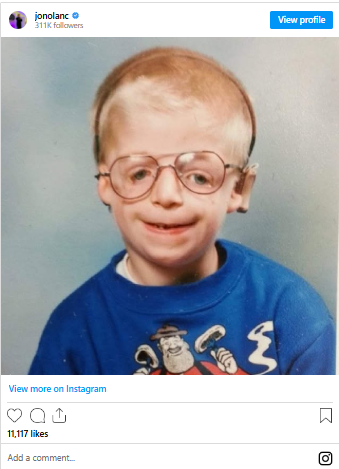
A Difficult Beginning
Jono Lancaster was born in 1985 in England with a rare genetic condition known as Treacher Collins syndrome (TCS). This condition affects the development of bones and tissues in the face and head.
People with TCS may have underdeveloped facial bones, hearing loss, and other physical differences. Importantly, Treacher Collins syndrome does not affect intelligence, and many individuals with the condition live full, independent lives.
However, when Jono was born, awareness and understanding of the condition were limited. Doctors informed his biological parents that he might face serious challenges and suggested he might never walk or talk.
The shock of the diagnosis was overwhelming for them. Within 36 hours of his birth, Jono’s parents made the decision to abandon him in the hospital.
Social services intervened quickly, ensuring that the newborn would not be left without care. That intervention would become the turning point that saved Jono’s future.
A Mother by Choice
A foster carer named Jean Lancaster was contacted. When Jean first held Jono, she felt an immediate and powerful bond. Unlike others who focused on his appearance or diagnosis, Jean saw a baby who needed love, safety, and stability.
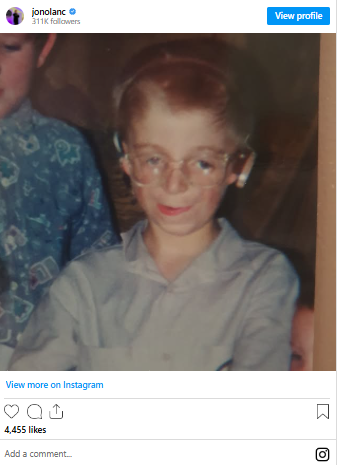
She famously turned to the nurse and asked a simple but life-changing question:
“When can I take him home?”
From that moment on, Jean raised Jono as her own child. She did not treat him differently or limit her expectations of him. She gave him the same care, discipline, encouragement, and affection she would give any child.
Although Jean was a single woman in her forties at the time, she did not hesitate. She had been a foster carer for decades and understood both the responsibility and the emotional commitment required.
Over the years, she had cared for many children, often becoming deeply attached to them.
Growing Up Different
Despite the love and support he received at home, Jono’s childhood outside the house was far more difficult. As he grew older and began attending school, he became increasingly aware of how different he looked compared to his peers.
Children can be unfiltered and cruel, especially when they do not understand difference. Some classmates avoided him entirely.
Others mocked him, ran away from him, or claimed they did not want to “catch” what they believed was a disease. These experiences left lasting emotional scars.
Jono later recalled feeling deeply isolated, believing he was the only person in the world who looked like him. While other children dreamed of becoming footballers, doctors, or lottery winners, Jono questioned why he had been born the way he was.
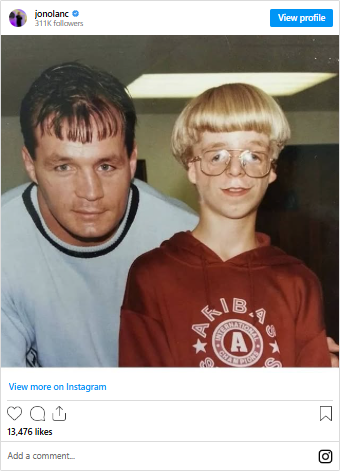
Despite these struggles, he tried to hide his pain from Jean. He did not want to burden the woman who had already given him so much.
Adoption and Belonging
Jean made several attempts to reconnect Jono with his biological parents. Over five years, she wrote letters, hoping they might reconsider or want to be involved in his life. Each letter was returned unopened.
Eventually, Jean made a permanent decision. On May 18, 1990, she officially adopted Jono, giving him her surname and securing his place in her family forever.
Jono later spoke about this moment with humor and gratitude. He would tell other children that while their parents were “stuck” with them, his mother had chosen him.
This sense of being chosen became a powerful foundation for his self-worth.
Teenage Struggles and Identity
Like many teenagers who feel different, Jono went through a rebellious phase. He drank heavily and tried to gain acceptance in unhealthy ways.
At times, he attempted to buy friendship with gifts or attention. These behaviors were less about rebellion and more about loneliness.
He later admitted that he was trying to distract others—and himself—from the pain he carried about his appearance.
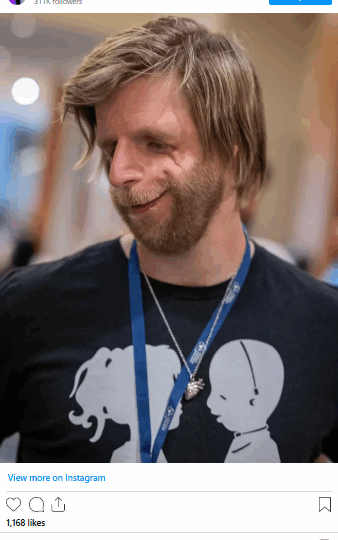
With time, maturity, and the continued support of his adoptive mother, Jono began to change direction. He realized that he could either let his experiences define him negatively or use them to build something meaningful.
Turning Pain into Purpose
As an adult, Jono chose the second path.
He became an advocate for people living with Treacher Collins syndrome, offering support to families and individuals navigating the same challenges he once faced alone.
He began speaking openly about his experiences, helping parents understand that a diagnosis does not determine a child’s potential or happiness.
In addition to his advocacy work, Jono built a career helping others. He worked as a team leader supporting adults with autism, demonstrating patience, empathy, and leadership.
His lived experience gave him a unique ability to connect with people who felt marginalized or misunderstood.
Gratitude for a Lifelong Hero
In 2015, Jono shared a deeply emotional Facebook post honoring Jean, his adoptive mother. In it, he described her as a woman with an enormous heart—someone who devoted her life to children in need, often grieving deeply when they moved on to other homes.
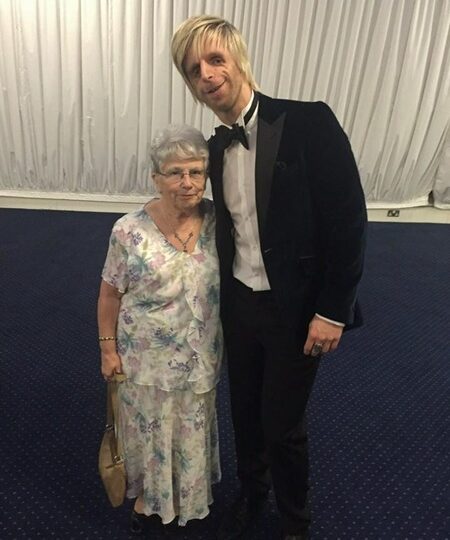
He credited her with giving him not only a family but also confidence, values, and unconditional love. To Jono, Jean was more than a caregiver—she was his hero.
Love, Marriage, and Family Dreams
In 2015, Jono met Laura, a woman who would later become his wife. They met while Jono was working as a fitness instructor. Laura saw beyond his appearance and connected with him as a person—kind, thoughtful, and emotionally strong.
Their relationship challenged many of Jono’s long-held fears about love and acceptance.
Jono had always dreamed of becoming a father. Because Treacher Collins syndrome can be inherited, he was aware that any biological child would have a 50% chance of having the condition.
This possibility deeply concerned him, especially knowing the emotional and medical challenges some children with TCS face.
For this reason, Jono often considered adoption, believing in the value of giving a child a second chance—just as he had received one.
A Respectful Ending
After ten years together, Jono and Laura made the difficult decision to separate. Jono later addressed the situation publicly, emphasizing that the separation was mutual and based on personal growth, not appearance or resentment.
He acknowledged that breakups are painful, even when handled with respect and understanding. His honesty resonated with many followers, who encouraged him to continue focusing on the positive aspects of his life.
A Message of Perspective
Despite everything he has endured, Jono Lancaster has repeatedly said that he would not change his life.
According to him, the most disabling part of his journey was not his appearance—but his mindset during his darkest years. Once he learned to change his attitude, he unlocked opportunities, relationships, and purpose.
His life serves as a reminder that while society often judges by appearances, true value is revealed through character, resilience, and compassion.
Conclusion
Jono Lancaster’s story is not simply about overcoming adversity. It is about the power of love, the impact of one person’s decision to care, and the importance of challenging assumptions.
In a world that still places too much emphasis on outward appearance, Jono’s life stands as proof that dignity, intelligence, and worth are not determined by how someone looks—but by how they live.